Depression
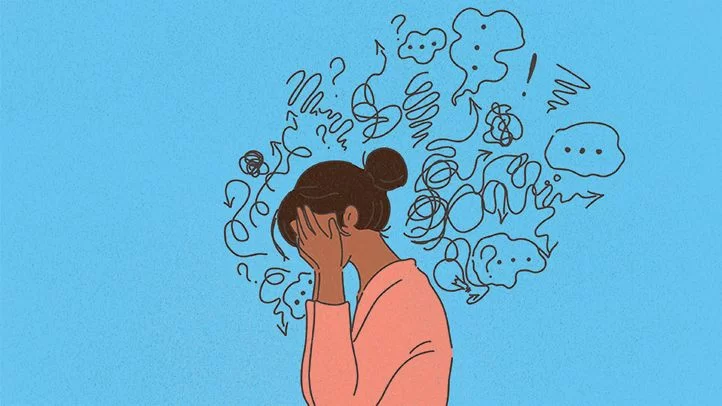
Depression is a mental health condition in which a person experiences a persistent feeling of sadness, low mood or loss of interest in activities. It can affect emotional well-being, sleep, appetite, concentration, relationships and everyday activities.
Depression can affect people of different ages and backgrounds. It may develop because of a combination of biological, psychological, genetic and environmental factors.
Depression is more than temporary sadness. When symptoms persist or become severe, professional assessment and appropriate treatment are important.
Important: Depression can become serious, particularly when a person has thoughts of self-harm or suicide. Such thoughts require immediate professional help and should not be managed alone.
What Is Depression?
Depression is a condition that affects a person’s mood, thoughts, emotions and daily functioning.
A person with depression may lose interest in activities they previously enjoyed, feel persistently low, become socially withdrawn or experience changes in sleep and appetite.
The severity of depression can vary from mild to severe. Some people may experience a single depressive episode, while others may have recurrent or long-lasting symptoms.
Depression can also occur along with other mental or physical health conditions.
Causes of Depression
There is usually no single cause of depression. Several factors can contribute to its development.
Biological and Chemical Factors
Changes in brain signalling and neurotransmitter systems, including serotonin, dopamine and norepinephrine, may be associated with depression.
However, depression is more complex than simply having a “chemical imbalance.” Multiple biological and psychological factors can contribute to the condition.
Hormonal Changes
Hormonal changes may contribute to mood changes during situations such as:
- Menopause
- Pregnancy and the postpartum period
- Thyroid disorders
- Other hormonal conditions
Environmental and Emotional Factors
Difficult life experiences may increase the risk of depression, including:
- Loss of a loved one
- Relationship difficulties
- History of abuse or violence
- Major life changes
- Prolonged stress
- Grief
- Financial or work-related difficulties
Genetic Factors
A family history of depression may increase a person’s vulnerability to developing depression.
Having a family member with depression does not mean that a person will definitely develop the condition.
Other Health Conditions
Long-term physical health problems may also be associated with depression. These may include conditions such as:
- Cancer
- Diabetes
- Parkinson’s disease
- Chronic pain
- Other long-term illnesses
Types and Related Forms of Depression
Depression can occur in different forms. Some conditions have specific features and require professional diagnosis.
Major Depression
Major depressive disorder, also called major depression, can cause persistent low mood and loss of interest in everyday activities.
Possible symptoms include:
- Low mood
- Loss of interest
- Fatigue
- Sleep problems
- Difficulty concentrating
- Anxiety
- Feelings of worthlessness
- Changes in appetite
- Thoughts of death or suicide
Persistent Depressive Disorder
Persistent depressive disorder, previously called dysthymia or chronic depression, involves long-lasting depressive symptoms.
The symptoms may be less intense than those of major depression but can continue for a prolonged period and interfere with daily life.
Bipolar Disorder
The original content refers to this as “manic or bipolar depression.” More accurately, bipolar disorder is different from major depressive disorder.
People with bipolar disorder can experience depressive episodes as well as periods of mania or hypomania.
Mania may involve:
- Increased energy
- Reduced need for sleep
- Increased self-confidence
- Rapid thoughts or speech
- Increased activity
- Irritability
- Impulsive or risky behaviour
A person experiencing these symptoms should receive an appropriate mental health assessment.
Depression With Psychotic Symptoms
Severe depression can sometimes occur with psychotic symptoms.
These may include:
- Hearing voices
- Seeing things that are not present
- Strong false beliefs
- Difficulty distinguishing certain thoughts or perceptions from reality
This requires prompt professional assessment and treatment.
Postpartum Depression
Postpartum depression can develop after childbirth and may involve persistent sadness, anxiety, exhaustion, loss of interest and difficulty coping with everyday activities.
It is different from the short-lived mood changes commonly called the “baby blues.”
Postpartum depression deserves professional evaluation, particularly when symptoms are severe or continue to interfere with caring for oneself or the baby.
Premenstrual Dysphoric Disorder
Premenstrual dysphoric disorder (PMDD) is a severe form of premenstrual mood disturbance. Symptoms occur during the period before menstruation and can significantly affect emotional well-being and daily functioning.
Seasonal Affective Disorder
Seasonal affective disorder is a form of depression in which symptoms follow a seasonal pattern. It is commonly associated with the winter months in some people.
Symptoms of Depression
Depression can affect emotions, behaviour and physical health.
Common symptoms include:
- Persistent sadness or low mood
- Loss of interest in previously enjoyable activities
- Social withdrawal
- Lack of confidence
- Excessive worry or anxiety
- Frequent crying or weeping tendency
- Irritability
- Fatigue and tiredness
- Difficulty sleeping or excessive sleeping
- Reduced appetite or changes in eating
- Difficulty concentrating
- Confusion or feeling mentally slowed down
- Feelings of worthlessness or hopelessness
- Reduced sexual interest
- Thoughts about death or suicide
Not every person experiences all of these symptoms.
Depression and Suicidal Thoughts
Severe or prolonged depression can be associated with suicidal thoughts.
If you or someone you know is thinking about suicide, self-harm or feels unable to stay safe, seek immediate help from a mental health professional, emergency medical service or the nearest hospital. Do not leave the person alone during an immediate crisis.
Complications of Depression
Untreated or severe depression can affect many areas of life.
Possible complications include:
- Persistent sleep problems
- Social isolation
- Problems at work or school
- Relationship difficulties
- Changes in appetite and weight
- Loss of sexual interest
- Worsening of other health conditions
- Substance misuse in some individuals
- Self-harm or suicidal behaviour
Early professional support can help a person understand the condition and identify appropriate treatment.
Diagnosis of Depression
Depression is diagnosed primarily through a detailed clinical assessment.
A healthcare professional may ask about:
- Current symptoms
- Duration and severity of symptoms
- Sleep and appetite
- Daily functioning
- Previous mental health problems
- Previous treatment
- Physical health conditions
- Medicines being taken
- Family history
- Major life events and emotional stressors
- Thoughts of self-harm or suicide
Medical Tests
Blood tests may sometimes be recommended to look for physical conditions that can contribute to symptoms, such as:
- Thyroid problems
- Anemia
- Certain nutritional deficiencies
An EEG is not routinely required to diagnose ordinary depression and may only be considered when there is another clinical reason to investigate brain activity.
Mental health questionnaires or rating scales may also be used to assess the severity of depressive symptoms. The Hamilton Depression Rating Scale is one example of a clinician-administered assessment tool.
Precautions and Lifestyle Support
Lifestyle measures can support overall mental well-being, although they should not be considered a replacement for professional treatment when depression is moderate or severe.
Helpful measures may include:
- Maintain a regular sleep schedule.
- Eat a balanced and nutritious diet.
- Stay physically active according to your ability.
- Spend time with supportive family members or friends.
- Avoid excessive alcohol or recreational drug use.
- Maintain a daily routine.
- Take breaks and avoid prolonged isolation.
- Discuss persistent symptoms with a qualified healthcare professional.
- Continue prescribed treatment unless your doctor advises otherwise.
If depression is affecting work, relationships, sleep or daily activities, seeking professional help is an important step.
Homeopathic Treatment Approach for Depression
At 247 Homeopathy, Zirakpur, Dr. Ruchi’s homeopathic approach considers the individual’s emotional state, symptoms, life circumstances, sleep pattern and overall health before selecting a remedy.
The following medicines are included in Dr. Ruchi’s original homeopathic treatment section:
Aurum Metallicum
Aurum metallicum is traditionally considered in homeopathic practice when depressive symptoms are associated with a strong sense of worthlessness, particularly following perceived failure in business, work or personal life.
The original remedy description also notes suicidal thoughts and symptoms that may become worse at night.
Suicidal thoughts require immediate professional assessment and should never be managed with homeopathy alone.
Ignatia Amara
Ignatia amara is traditionally considered when emotional symptoms are associated with grief, disappointment and suppressed emotions.
The original description highlights sensitive individuals who may find it difficult to express their emotions, along with symptoms such as insomnia and headache.
Staphysagria
Staphysagria is traditionally considered when emotional distress is associated with suppressed feelings, resentment, shame or difficulty expressing emotions.
The original description also mentions an introverted personality and sleep difficulties.
Homeopathic medicines should be individually selected by a qualified practitioner rather than taken solely because a person has been diagnosed with depression.
Homeopathy should also not replace psychiatric care, psychological therapy, antidepressant medication or emergency treatment when these are medically indicated.
Frequently Asked Questions About Depression
What is depression?
Depression is a mental health condition characterized by persistent low mood, sadness or loss of interest that can interfere with everyday life.
What are the common symptoms of depression?
Common symptoms include persistent sadness, loss of interest, fatigue, sleep problems, appetite changes, difficulty concentrating, anxiety, social withdrawal, low confidence and feelings of hopelessness or worthlessness.
What causes depression?
Depression can develop from a combination of genetic, biological, psychological and environmental factors. Stressful life experiences and long-term physical illnesses can also contribute.
Is depression just sadness?
No. Temporary sadness is a normal emotional response to difficult situations. Depression is more persistent and can significantly affect a person’s thoughts, emotions, physical health and daily functioning.
Can depression affect sleep and appetite?
Yes. Depression may cause difficulty sleeping, excessive sleeping, reduced appetite or changes in eating habits.
Can depression cause anxiety?
Yes. Anxiety symptoms can occur alongside depression, and some people experience both conditions at the same time.
Can depression be treated?
Yes. Depression is treatable, and the appropriate approach depends on its severity, symptoms and individual circumstances. Treatment may include psychological therapy, medication, lifestyle measures or a combination of approaches.
Can homeopathy cure depression?
Homeopathy should not be presented as a guaranteed cure for depression. If someone has persistent or severe depression, professional mental health assessment and evidence-based treatment are important.
Homeopathic consultation may be considered as a complementary approach, but it should not replace necessary psychiatric or psychological care.
Can depression lead to suicidal thoughts?
Yes. Severe depression can be associated with suicidal thoughts or self-harm.
If you are having thoughts of suicide or feel that you may harm yourself, seek immediate emergency medical or mental health help and stay with someone you trust.
When should someone see a doctor for depression?
Professional help should be considered when low mood, loss of interest, anxiety, sleep problems or other symptoms persist, interfere with everyday life or become difficult to manage.
Can depression occur after childbirth?
Yes. Postpartum depression can occur after childbirth and may cause persistent sadness, anxiety, exhaustion, loss of interest or difficulty coping. It should be discussed with a healthcare professional.
Consult 247 Homeopathy in Zirakpur
If you or a family member is experiencing persistent sadness, loss of interest, anxiety, sleep difficulties, low confidence or other symptoms associated with depression, professional assessment can help identify the appropriate next step.
247 Homeopathy in Zirakpur, Punjab, under the care of Dr. Ruchi, provides individualized homeopathic consultations based on the patient’s symptoms, emotional state and health history.
Patients from Zirakpur and nearby areas including Chandigarh, Panchkula, Mohali, Dera Bassi, Baltana and Dhakoli can contact 247 Homeopathy for consultation information.
Homeopathic consultation should be considered alongside appropriate medical or mental health care when required.
If you or someone close to you is experiencing suicidal thoughts, self-harm urges, hallucinations, severe confusion or an immediate mental health crisis, seek urgent professional or emergency medical help rather than waiting for a routine consultation.