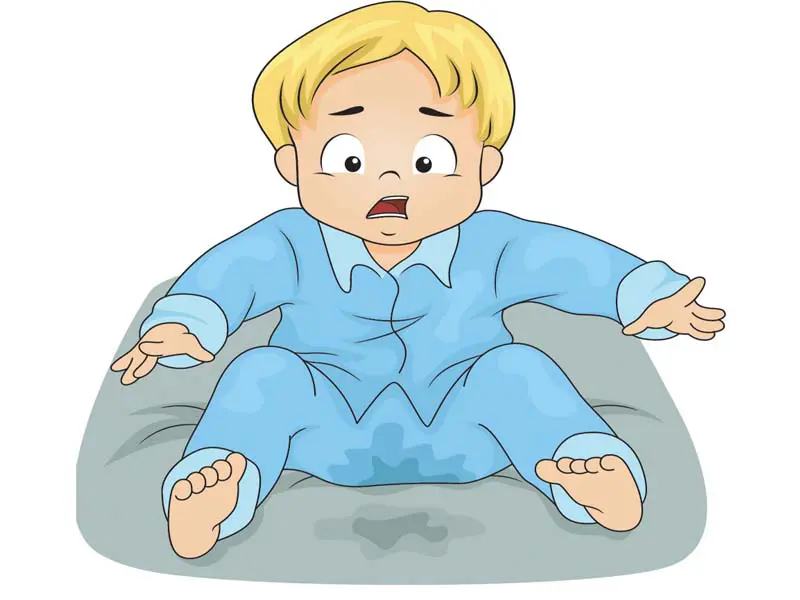
Bedwetting
BBedwetting, medically known as nocturnal enuresis, is the involuntary passage of urine during sleep. It is common in children, particularly during the early years when bladder control is still developing.
Many children gradually become dry at night as their bladder capacity, nervous system, and nighttime urine control mature. Bedwetting should not be considered the child’s fault, and punishment or embarrassment can make the situation more stressful.
Bedwetting that begins again after a child has remained dry for several months, occurs along with daytime urinary symptoms, or continues beyond the expected age may require further evaluation.
What Is Bedwetting?
Bedwetting refers to involuntary urination during sleep in a child who is old enough to have developed nighttime bladder control.
Most children achieve nighttime dryness gradually. Bedwetting is generally considered a medical concern from around 5 years of age, although the appropriate assessment depends on the child’s development and symptoms.
Bedwetting can occur occasionally or regularly. The frequency and pattern of wetting are important when determining whether further evaluation is needed.
Types of Bedwetting
Primary Enuresis
Primary enuresis refers to bedwetting in a child who has not achieved a sustained period of nighttime dryness.
These children may continue to wet the bed as nighttime bladder control develops.
Secondary Enuresis
Secondary enuresis occurs when a child starts wetting the bed again after previously remaining dry at night for at least several months.
It may sometimes occur following stressful life events, but medical causes such as urinary tract infection or diabetes should also be considered.
Monosymptomatic and Non-Monosymptomatic Enuresis
Monosymptomatic Nocturnal Enuresis
In this form, bedwetting occurs during sleep without significant daytime urinary symptoms.
Non-Monosymptomatic Enuresis
This occurs when bedwetting is accompanied by daytime bladder or urinary symptoms, such as:
- Urgency
- Frequent urination
- Daytime wetting
- Difficulty starting urination
- Weak urinary stream
- Constipation
Children with daytime urinary symptoms may need a more detailed evaluation.
Causes and Risk Factors of Bedwetting
Bedwetting usually has more than one contributing factor. It is not simply caused by laziness or poor toilet training.
Possible factors include:
Delayed Development of Nighttime Bladder Control
Some children take longer for the brain and bladder to develop reliable communication during sleep.
Increased Urine Production at Night
Antidiuretic hormone (ADH) helps regulate urine production. In some children, nighttime production of this hormone may not yet be sufficient to reduce urine production during sleep.
Small or Overactive Bladder Capacity
Some children may have a bladder that cannot comfortably hold the amount of urine produced overnight.
Family History
Bedwetting can run in families. A child is more likely to experience it when one or both parents had childhood bedwetting.
Constipation
Constipation can put pressure on the bladder and contribute to urinary problems, including nighttime wetting.
Urinary Tract Infection
A urinary tract infection can sometimes cause new or increased wetting, particularly when it is associated with burning urination, urgency, frequent urination, or fever.
Diabetes
Increased thirst and increased urine production can sometimes cause a child who was previously dry to begin wetting the bed.
Emotional Stress
Changes such as:
- Moving to a new home
- Starting a new school
- Family changes
- Birth of a sibling
- Fear or anxiety
- Significant changes in routine
may contribute to secondary bedwetting in some children.
Stress is not the cause of every case, however, so persistent or newly occurring bedwetting should not automatically be attributed to emotional factors.
Other Conditions
Some children with developmental or behavioural conditions may have a higher likelihood of bedwetting. Certain sleep problems can also be associated with nighttime wetting.
Symptoms of Bedwetting
The main symptom is:
- Involuntary passage of urine during sleep
Depending on the underlying cause, a child may also have:
- Daytime urinary urgency
- Frequent urination
- Daytime wetting
- Burning while urinating
- Constipation
- Increased thirst
- Increased urine production
- Difficulty controlling the bladder
These additional symptoms are important because they can indicate an underlying urinary or medical condition.
Diagnosis of Bedwetting
Bedwetting is usually evaluated through the child’s medical history and symptoms.
A healthcare professional may ask about:
- How often bedwetting occurs
- Whether the child has ever been consistently dry at night
- Daytime urinary symptoms
- Bowel habits and constipation
- Fluid intake
- Sleep patterns
- Family history of bedwetting
- Recent emotional or environmental changes
- Other medical symptoms
Tests
Not every child requires extensive testing. Depending on the symptoms, a healthcare professional may recommend:
- Physical examination
- Urinalysis
- Blood glucose testing when diabetes is suspected
- Other investigations when an underlying urinary, kidney, neurological, or developmental problem is suspected
When Should Parents Consult a Doctor?
Parents should seek medical advice when:
- Bedwetting begins suddenly after a long period of nighttime dryness.
- The child also wets themselves during the day.
- There is pain or burning during urination.
- The child has fever or recurrent urinary infections.
- There is excessive thirst or unusually frequent urination.
- The child has significant constipation.
- There is blood in the urine.
- The child snores heavily or has unusual breathing problems during sleep.
- Bedwetting is causing significant emotional distress.
- The problem persists despite appropriate behavioural measures.
Management and Lifestyle Tips
A supportive approach is important when managing childhood bedwetting.
Limit Excessive Evening Fluids
Avoid giving very large amounts of fluid immediately before bedtime, while still ensuring that the child receives adequate fluids throughout the day.
Encourage Regular Toilet Use
Encourage the child to use the toilet regularly during the day and immediately before going to bed.
Bedwetting Alarm
A moisture-sensitive bedwetting alarm can help some children learn to respond to bladder sensations during sleep. Consistent use is generally required for it to be effective.
Address Constipation
If constipation is present, it should be appropriately managed because it can contribute to bladder symptoms.
Avoid Punishment
Bedwetting is involuntary. Scolding, shaming, or punishing a child can increase anxiety and should be avoided.
Parents can instead use encouragement and positive reinforcement for behaviours the child can control, such as using the toilet before bed.
Protect the Mattress
Waterproof mattress protection can make nighttime cleanup easier and reduce stress for both the child and family.
Homeopathic Management for Bedwetting
Argentum nitricum:
This medicine is well indicated for enuresis with loss of vascular control of the bladder. Urine passes unconsciously while asleep, whether it’s day or night.
Cuasticum:
causticum is given when there is involuntary urination in children and aged people during sleep.
Sepia:
Sepia is well marked in the enuresis of young girls during first sleep. It has marked results in enuresis with offensive urine.
Lac can:
it has given good results in nocturnal enuresis. In which the patient is having a dream about urinating and passes urine unconsciously.
FAQs About Bedwetting
Is bedwetting normal in children?
Bedwetting is common during childhood because nighttime bladder control develops gradually. Many children become dry naturally as they grow.
At what age is bedwetting considered a problem?
Bedwetting is generally evaluated as a medical concern from around 5 years of age, particularly when it is frequent or persistent. The child’s overall development and symptoms should also be considered.
Why does my child wet the bed?
Possible contributing factors include delayed nighttime bladder development, increased urine production during sleep, family history, constipation, urinary problems, and sometimes stress or changes in routine.
Can stress cause bedwetting?
Stress can contribute to secondary bedwetting in some children, especially after a major change or upsetting event. However, new bedwetting should not automatically be attributed to stress because medical causes may also need to be ruled out.
Should I wake my child to urinate at night?
Regularly waking or carrying a child to the toilet may reduce wet beds temporarily but does not necessarily teach independent nighttime bladder control. A bedwetting alarm may be more useful for some children.
Should parents punish a child for bedwetting?
No. Bedwetting is involuntary. Punishment or embarrassment can increase distress and may make the situation more difficult.
Can constipation cause bedwetting?
Yes. Constipation can affect bladder function and may contribute to both daytime and nighttime urinary problems.
When should bedwetting be medically checked?
Medical evaluation is particularly important when bedwetting starts again after a period of dryness, occurs with daytime urinary symptoms, pain, fever, excessive thirst, constipation, blood in the urine, or other unusual symptoms.
Can homeopathy help with bedwetting?
Homeopathy may be considered as a complementary approach based on an individual child’s symptoms. However, reliable evidence does not establish homeopathy as an effective treatment for childhood bedwetting, so appropriate medical evaluation and established management options should not be replaced.
Consultation at 247 Homeopathy, Zirakpur
At 247 Homeopathy, Zirakpur, Dr. Ruchi provides individualized consultations for children and families seeking complementary homeopathic care.
During a consultation, relevant factors such as the child’s bedwetting pattern, sleep, urinary symptoms, bowel habits, general health, family history, and emotional circumstances can be discussed.
Consultations may be available in person as well as online, making it possible for families outside Zirakpur to discuss their concerns.
For persistent or newly developed bedwetting, particularly when other urinary or health symptoms are present, appropriate medical evaluation should be completed before relying on complementary treatment.


