Teething
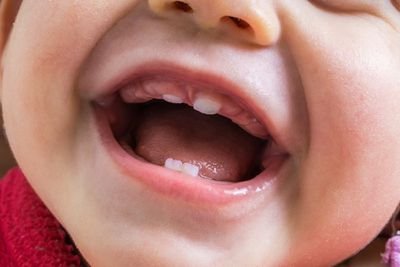
Teething is the process in which a baby’s primary (baby) teeth emerge through the gums. It usually begins between 6 and 12 months of age, although the timing can vary from child to child.
During teething, some babies may become more irritable, drool more than usual, chew on objects, or have swollen and tender gums.
Most children have their complete set of 20 primary teeth by around 3 years of age.
The lower front teeth commonly appear first, followed by the upper front teeth and then the remaining teeth.
What Happens During Teething?
As a tooth moves through the gum, the surrounding gum tissue can become tender and slightly swollen.
A teething baby may:
- Become more irritable
- Chew on objects
- Drool more than usual
- Have tender or swollen gums
- Have difficulty settling or sleeping
- Temporarily change eating patterns
The symptoms can vary from one baby to another.
Signs of Teething
Common signs associated with teething include:
- Chewing on hard or safe objects
- Increased drooling
- Irritability
- Difficulty sleeping
- Tender or swollen gums
- Changes in eating patterns
- Increased desire to bite or chew
The area around an erupting tooth may appear red or swollen.
Teething Symptoms
Teething can cause discomfort and may make a baby restless or irritable.
Symptoms associated with teething may include:
- Gum tenderness
- Mild gum swelling
- Increased drooling
- Irritability
- Restlessness
- Chewing or biting
- Sleep disturbance
- Temporary changes in eating patterns
Can Teething Cause Fever, Diarrhea or Vomiting?
A baby may have a slight increase in temperature while teething, but teething should not be assumed to be the cause of a significant fever.
Similarly, vomiting, persistent diarrhea, cough, widespread rash, or significant facial swelling are not typical symptoms of simple teething.
If a baby has these symptoms, particularly if they are severe or persistent, parents should consider other possible causes and consult a pediatrician.
When Do Babies Start Teething?
Most babies begin teething between 6 and 12 months, but there is considerable normal variation.
The lower central incisors often appear first. They are followed by the upper central incisors and other primary teeth.
By approximately age 3, most children have all 20 primary teeth.
How to Help a Teething Baby
There are several simple ways parents can help relieve teething discomfort.
Gently Massage the Gums
Wash your hands and gently massage the baby’s gums with a clean finger.
This may provide temporary comfort.
Offer a Safe Teething Object
A baby may benefit from chewing on an age-appropriate teething ring or another safe teething object.
Avoid objects that can break, present a choking hazard, or are too hard.
Maintain Good Oral Hygiene
Begin appropriate oral hygiene early and keep the baby’s teeth and gums clean.
As teeth erupt, parents should establish regular tooth brushing using an age-appropriate toothbrush and appropriate fluoride toothpaste according to dental guidance.
Avoid Excessive Sugary Foods
Avoid giving babies unnecessary sweets, chocolates, candies, and sugary drinks.
Reducing frequent sugar exposure helps protect newly erupted teeth from dental decay.
When Should Parents Seek Medical Advice?
Contact a pediatrician or healthcare professional if your baby has:
- High or persistent fever
- Repeated vomiting
- Persistent or severe diarrhea
- Difficulty breathing
- Poor feeding or inability to drink
- Signs of dehydration
- A widespread or unusual rash
- Significant facial swelling
- Unusual sleepiness or difficulty waking
- Symptoms that are getting worse rather than improving
These symptoms may have another cause and should not simply be attributed to teething.
Homeopathic Medicines for Teething
At 247 Homeopathy in Zirakpur, Dr. Ruchi considers the child’s symptoms and overall health when selecting a homeopathic medicine.
The doctor’s existing content mentions the following medicines for different teething-related symptom patterns:
Chamomilla
Chamomilla is mentioned in the doctor’s content for teething associated with significant irritability and sensitivity.
The symptom picture includes:
- Marked irritability
- Distress during teething
- Sensitivity to pain
- Restlessness
- Difficulty calming down
- Diarrhea during dentition
- Anxious or frightened dreams
Phytolacca
Phytolacca is mentioned in the doctor’s content for:
- Delayed or difficult dentition
- A strong desire to bite the teeth together
- Stringy saliva
- Clenching of the teeth
- Fever with chilliness
- Associated throat or tonsil inflammation
Aethusa
Aethusa is mentioned for a symptom pattern involving digestive complaints during early childhood.
The doctor’s content describes:
- Marked diarrhea
- Difficulty digesting milk
- Restlessness
- Irritability
- Vomiting of white, frothy material
- Thin, greenish, undigested stools
- Abdominal discomfort before stool
Persistent vomiting or diarrhea in an infant requires appropriate pediatric evaluation rather than assuming it is caused by teething.
Cina
Cina is mentioned as a children’s remedy in the doctor’s content for a symptom pattern involving:
- Teeth grinding
- Irritability when touched or carried
- Wanting several things but refusing them afterward
- Frequent nose itching
- Desire for sweets
- Anal itching
- Night terrors
- Particular patterns of fever and temperature changes
Homeopathic medicine selection should be individualized according to the child’s complete symptom picture.
Frequently Asked Questions About Teething
Can teething cause a runny nose?
A runny nose is not considered a typical sign of teething. If your baby has a persistent runny nose, cough, or other symptoms of illness, consider having them assessed by a pediatrician.
Can teething make babies bite more often?
Yes. Babies may chew or bite more than usual while teething because pressure on the gums can provide temporary relief from discomfort.
Can teething cause swollen gums?
Yes. The gums around an emerging tooth may appear swollen, tender, or slightly red. Significant swelling or swelling that does not improve should be evaluated by a healthcare professional.
Can teething cause loss of appetite?
Some babies may eat less or become fussy with food while their gums are sore. If your baby is refusing most feeds, has fewer wet diapers, or shows signs of dehydration, seek medical advice.
How long does teething pain last?
Teething discomfort can vary between babies and may come and go as different teeth emerge. Persistent or severe pain should not automatically be attributed to teething and should be discussed with a pediatrician.
Can teething cause a rash around the mouth?
Increased drooling during teething can irritate the skin around the mouth and chin, sometimes causing a mild rash. A spreading, severe, or persistent rash should be evaluated.
Consult 247 Homeopathy in Zirakpur
If your child is experiencing teething discomfort, irritability, sleep disturbance, or other symptoms during tooth eruption, you can consult Dr. Ruchi at 247 Homeopathy in Zirakpur, Punjab.
247 Homeopathy serves families from Zirakpur and nearby areas and also offers online consultations for patients from other parts of India and worldwide.
During consultation, Dr. Ruchi can review the child’s symptoms, eating and sleeping patterns, teething history, and overall health before discussing an individualized homeopathic approach.
For significant fever, repeated vomiting or diarrhea, dehydration, breathing difficulty, or other concerning symptoms, seek appropriate pediatric medical care promptly.


