Rheumatoid Arthritis
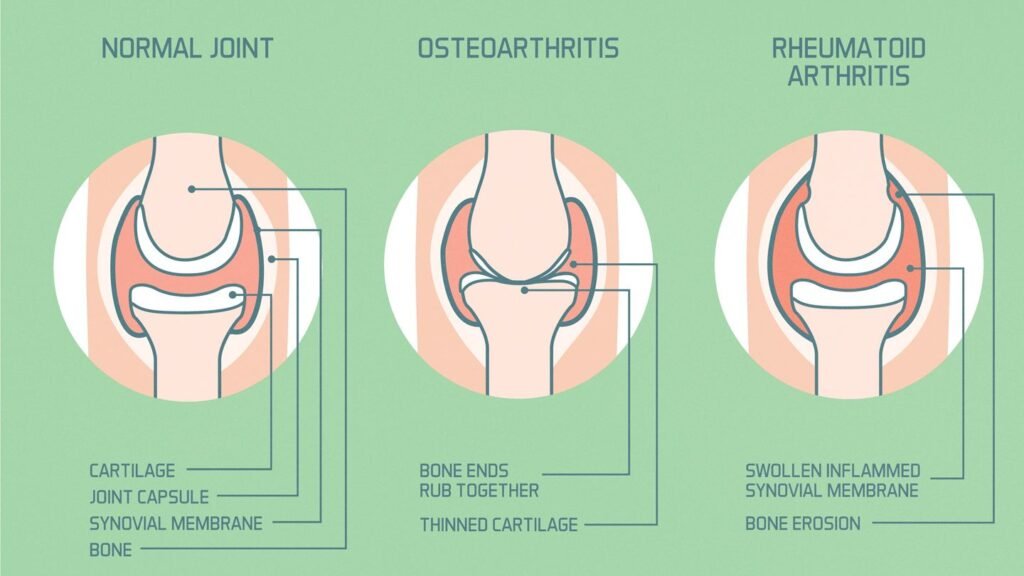
Rheumatoid arthritis (RA) is a chronic autoimmune disease that mainly affects the joints. It can cause pain, swelling, warmth and stiffness, and over time may damage the joints and affect mobility.
RA commonly affects the same joints on both sides of the body, such as both hands, wrists, feet or knees. Unlike osteoarthritis, rheumatoid arthritis is an inflammatory autoimmune condition and can also affect other parts of the body.
If you have persistent joint swelling, prolonged morning stiffness or difficulty moving your joints, medical evaluation is important because early diagnosis and appropriate treatment can help reduce the risk of joint damage.
What Is Rheumatoid Arthritis?
Rheumatoid arthritis occurs when the immune system mistakenly attacks healthy tissues, particularly the synovium, the lining of the joints.
This immune response causes inflammation. Over time, persistent inflammation can affect the cartilage, bone and other structures around the joint.
RA is a systemic condition, which means that it may sometimes affect parts of the body outside the joints.

Causes and Risk Factors of Rheumatoid Arthritis
Risk factors include:
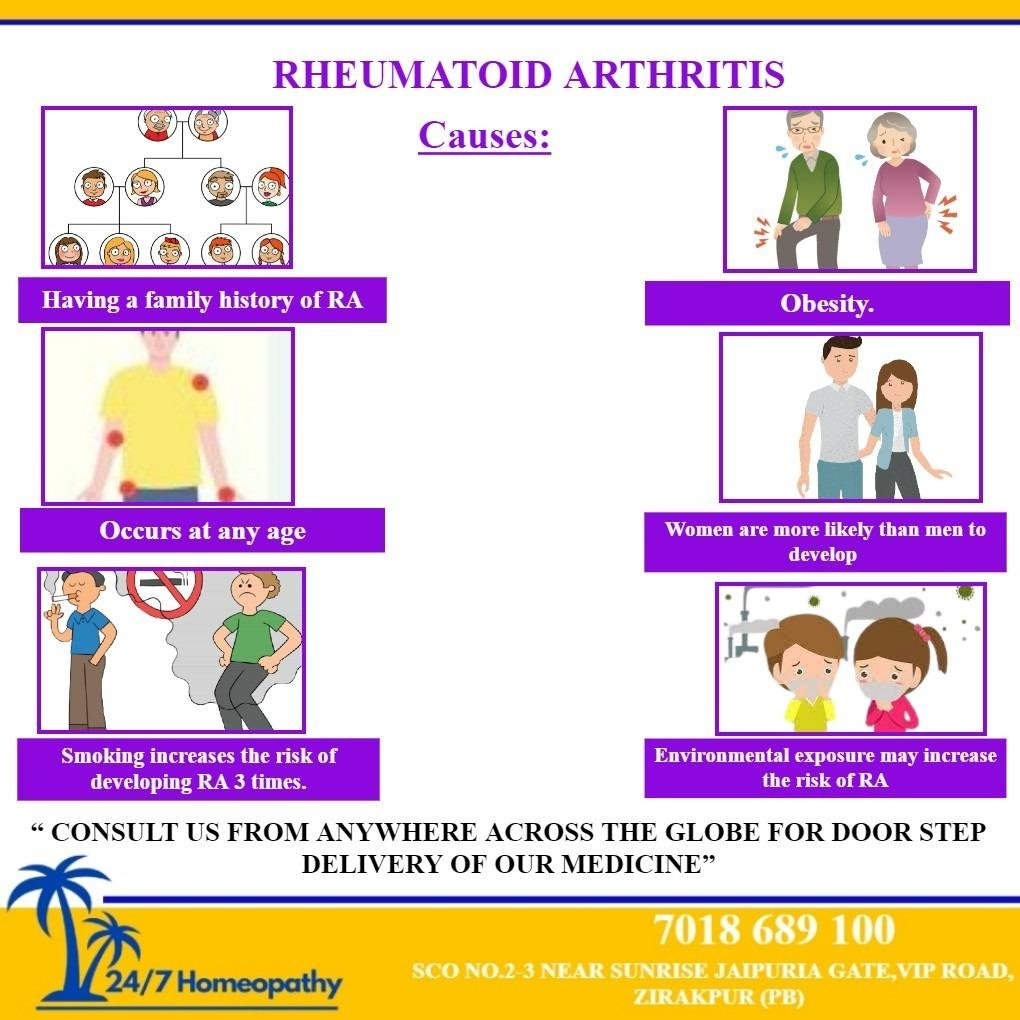
- Family history: Having a family member with rheumatoid arthritis may increase the risk.
- Sex: Rheumatoid arthritis is more common in women.
- Smoking: Smoking significantly increases the risk of developing RA and may worsen disease activity.
- Age: RA can develop at any age but commonly begins during adulthood.
- Obesity: Excess body weight may increase inflammatory activity.
- Environmental exposure: Certain occupational exposures, including silica, may contribute to risk.
Having one or more risk factors does not necessarily mean that a person will develop rheumatoid arthritis.
Symptoms of Rheumatoid Arthritis
Rheumatoid arthritis symptoms can vary from person to person. Common symptoms include:
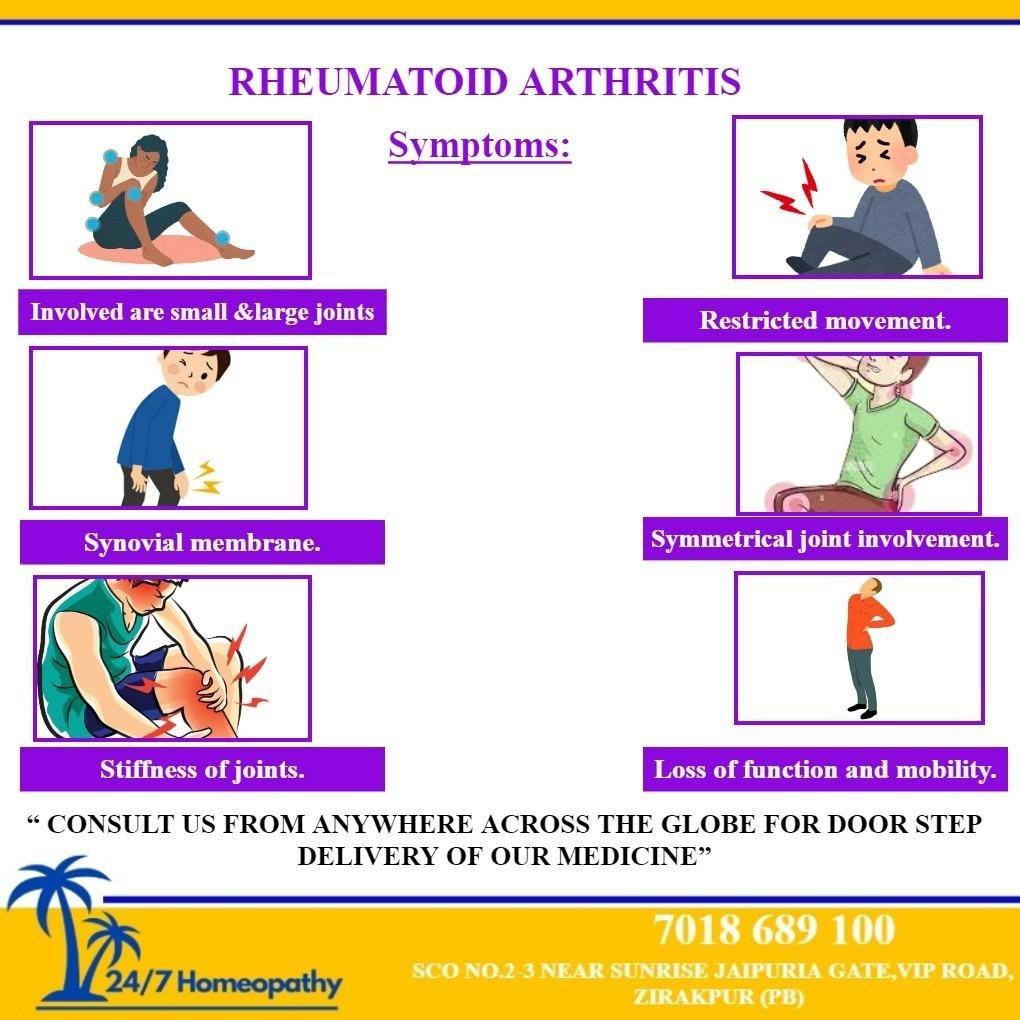
- Painful joints
- Swelling and tenderness
- Warmth around affected joints
- Morning stiffness
- Stiffness after periods of rest
- Reduced range of movement
- Difficulty performing everyday activities
- Symmetrical joint involvement
- Weakness and fatigue
- Low-grade fever
- Loss of appetite
Which Joints Are Commonly Affected?
RA often starts in the small joints of the hands and feet, but it can also affect:
- Wrists
- Knees
- Shoulders
- Elbows
- Ankles
Persistent inflammation can gradually reduce joint function and mobility.
Diagnosis of Rheumatoid Arthritis
There is no single test that confirms rheumatoid arthritis in every patient. Doctors usually consider symptoms, physical examination, blood tests and imaging findings together.
Investigations may include:
Blood Tests
- Rheumatoid factor (RF)
- Anti-cyclic citrullinated peptide (anti-CCP) / ACPA antibodies
- ESR (erythrocyte sedimentation rate)
- C-reactive protein (CRP)
- Complete blood count and other tests when appropriate
Imaging Tests
Depending on the symptoms, a doctor may recommend:
- X-ray of affected joints
- MRI
- Ultrasound
- CT scan in selected situations
An X-ray can sometimes appear normal during the early stages of RA, so a normal X-ray does not necessarily rule out the disease.
Rheumatoid Arthritis: Lifestyle and Supportive Care
- Quit smoking.
- Maintain a healthy body weight.
- Stay physically active according to your ability.
- Include suitable exercises, stretching or yoga.
- Get adequate rest during periods of increased symptoms.
- Maintain adequate calcium and vitamin D intake.
- Heat may help relax stiff muscles and joints.
- Cold packs may temporarily help with pain and swelling.
- Practice stress-management techniques such as meditation.
- Follow the treatment and monitoring plan recommended by your doctor.

Complications of Rheumatoid Arthritis
Persistent, uncontrolled inflammation can lead to complications such as:
- Joint damage and reduced mobility
- Osteoporosis
- Rheumatoid nodules
- Dry eyes or dry mouth
- Increased cardiovascular risk
- Inflammation involving other organs in some patients
Early diagnosis and appropriate management are therefore important.
Homeopathic Treatment for Rheumatoid Arthritis
Homeopathy traditionally selects medicines according to the individual’s overall symptom pattern rather than prescribing the same medicine to every person with rheumatoid arthritis.
Factors considered may include:
- Location and nature of joint pain
- Swelling and stiffness
- Morning symptoms
- What makes symptoms better or worse
- General physical symptoms
- Individual health history
At 247 Homeopathy, Zirakpur, Dr. Ruchi can assess the patient’s symptoms and treatment history and discuss whether homeopathic care may be appropriate as a complementary approach.
Frequently Asked Questions
Can rheumatoid arthritis cause fatigue and weakness?
Yes. Rheumatoid arthritis can cause persistent fatigue and may contribute to weakness, particularly when inflammation is active. Ongoing or severe fatigue should be discussed with a healthcare professional.
Can rheumatoid arthritis cause swollen fingers?
Yes. RA can cause swelling, pain, tenderness, and stiffness in the small joints of the fingers and hands. Persistent or recurring swelling should be evaluated.
Can rheumatoid arthritis affect the wrists?
Yes. The wrists can be affected by RA and may become painful, swollen, stiff, or difficult to move.
Can rheumatoid arthritis cause joint pain after resting?
Yes. RA can cause stiffness and discomfort after periods of inactivity, such as after sitting or resting. Prolonged stiffness, especially with joint swelling, should be medically assessed.
Can rheumatoid arthritis cause difficulty moving the joints?
Yes. Pain, swelling, stiffness, and inflammation can limit joint movement and make everyday activities more difficult. Persistent loss of movement should be evaluated.
Can rheumatoid arthritis develop at any age?
Yes. Rheumatoid arthritis can develop in adults of different ages, although the likelihood varies. Persistent joint swelling, pain, or prolonged morning stiffness should be assessed regardless of age.
Rheumatoid Arthritis Treatment in Zirakpur
If you are experiencing persistent joint pain, swelling, stiffness or reduced mobility, a proper medical assessment can help identify the underlying cause.
At 247 Homeopathy in Zirakpur, Punjab, Dr. Ruchi provides individualized consultations for patients seeking homeopathic care. Your symptoms, health history and previous treatment can be discussed to develop an appropriate and responsible care approach.
Book a consultation with Dr. Ruchi at 247 Homeopathy, Zirakpur, to discuss your rheumatoid arthritis symptoms and treatment options.


