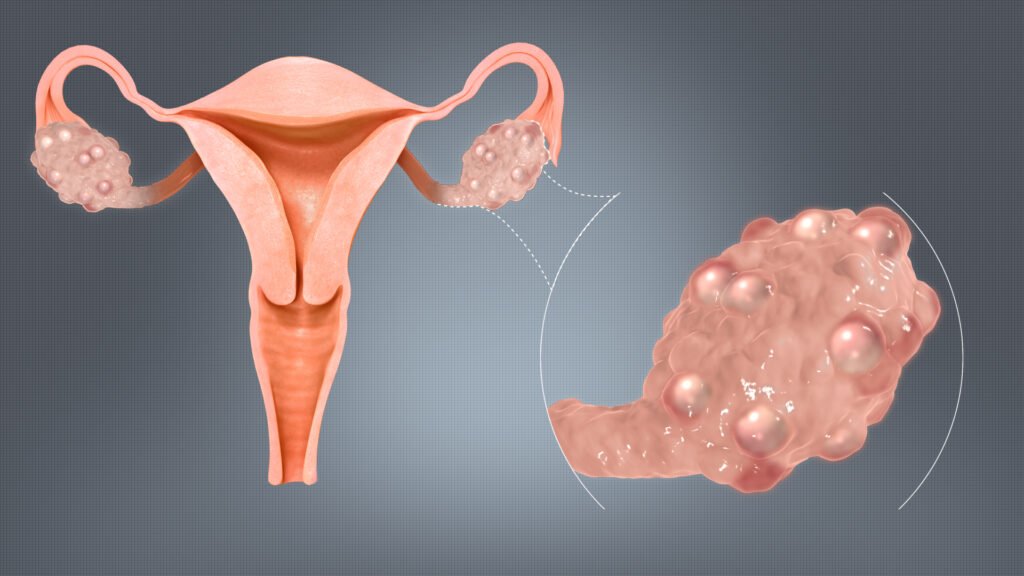
POLYCYSTIC OVARIAN DISEASE
Polycystic Ovarian Disease (PCOD), commonly referred to as PCOS (Polycystic Ovary Syndrome), is a hormonal condition that can affect women of reproductive age.
It may cause irregular menstrual cycles, hormonal changes, acne, unwanted facial or body hair, weight changes and difficulty with ovulation. Some women may also experience difficulty in conceiving.
Despite the name, not every woman with PCOS has ovarian cysts. The condition is mainly associated with hormonal imbalance and problems with ovulation.
What Is Polycystic Ovarian Disease?
PCOD/PCOS is a hormonal and metabolic condition in which the ovaries may produce higher-than-usual levels of androgens and ovulation may become irregular.
Some women may have multiple small follicles visible on an ultrasound, while others may not. Therefore, an ultrasound alone does not confirm PCOS.
PCOD can affect menstrual health, fertility, skin, hair growth and metabolism. The symptoms and their severity can vary from one woman to another.
Causes and Risk Factors of PCOD
The exact cause of PCOD is not fully understood. Several factors may contribute to its development, including:
- Hormonal imbalance: Increased androgen levels can interfere with normal ovulation.
- Insulin resistance: The body may have difficulty using insulin effectively, which can contribute to increased androgen production.
- Family history: Women with a family history of PCOS may have a higher likelihood of developing it.
- Lifestyle factors: A sedentary lifestyle, unhealthy eating patterns and weight gain may contribute to metabolic problems associated with PCOS.
- Stress and poor sleep: Ongoing stress and inadequate sleep may affect overall hormonal and metabolic health.
Symptoms of Polycystic Ovarian Disease
PCOD symptoms can differ considerably between women. Common symptoms include:
- Irregular or missed periods.
- Scanty or sometimes heavy menstrual bleeding.
- Painful periods in some women.
- Difficulty with ovulation and conception.
- Unwanted facial or body hair growth (hirsutism).
- Acne or oily skin.
- Hair thinning or hair loss from the scalp.
- Weight gain, particularly around the waist.
- Darkening or thickening of certain areas of the skin.
- Mood changes, stress or emotional difficulties.
- Headaches or fatigue in some individuals.
Not every woman with PCOD experiences all of these symptoms.
How Is PCOD Diagnosed?
There is no single test that confirms PCOD in every woman. A doctor generally considers the patient’s symptoms, menstrual history, examination and test results.
Depending on the individual situation, evaluation may include:
Blood Tests
Blood tests may be recommended to assess hormone levels and to rule out other conditions that can cause irregular periods or similar symptoms.
Pelvic Examination
A pelvic examination may be recommended when clinically appropriate to assess reproductive health and rule out other causes of symptoms.
Ultrasound
A pelvic ultrasound can help assess the ovaries and uterus and may identify multiple small follicles or other abnormalities.
Important: The presence of multiple follicles on an ultrasound does not by itself mean that a woman has PCOS.
PCOD Management and Lifestyle Tips
PCOD is often managed through a combination of lifestyle measures, monitoring and medical care according to the individual’s symptoms and health goals.
Helpful lifestyle measures include:
- Stay physically active and avoid a sedentary routine.
- Exercise regularly according to your fitness level.
- Maintain a healthy weight if advised by your healthcare professional.
- Eat a balanced diet containing vegetables, fruits, whole grains, adequate protein and other nutrient-rich foods.
- Limit highly processed and sugary foods.
- Avoid smoking and limit alcohol.
- Maintain a regular sleep schedule and aim for adequate sleep.
- Practice stress-management techniques such as meditation or yoga.
- Keep track of menstrual cycles and changes in symptoms.
- Seek medical advice if periods become very irregular, absent or unusually heavy.
Possible Complications of PCOD
When PCOS is not appropriately managed, some women may have an increased risk of certain health problems, including:
- Difficulty with conception due to irregular ovulation.
- Insulin resistance and type 2 diabetes.
- High blood pressure.
- Weight-related health problems.
- Abnormal cholesterol levels.
- Increased cardiovascular risk.
The risk varies from person to person, so regular medical monitoring can be important.
Homeopathic Approach to PCOD
At 247 Homeopathy, Dr. Ruchi may consider homeopathic medicines as part of an individualized, supportive approach based on the patient’s symptoms, menstrual pattern and overall health.
Sepia
The doctor’s notes describe Sepia in cases involving:
- Delayed or scanty menstrual periods.
- Bearing-down sensation in the lower abdomen.
- Ovarian complaints.
- Hormonal and menstrual irregularities.
Pulsatilla
The doctor’s notes describe Pulsatilla in cases involving:
- Irregular or scanty periods.
- Painful menstruation.
- Menstrual problems particularly noted in younger patients.
- A mild, emotionally sensitive temperament.
Calcarea Carb
The doctor’s notes describe Calcarea Carb when PCOD-related complaints are associated with:
- Profuse or prolonged menstrual bleeding.
- Weight gain or obesity.
- Increased sweating.
- Sensitivity to cold.
Natrum Mur
The doctor’s notes describe Natrum Mur in cases involving:
- Irregular or suppressed periods.
- Difficulty conceiving associated with menstrual irregularity.
- Heat or sunlight sensitivity.
- A craving for extra salt.
Frequently Asked Questions About PCOD
Is PCOD the same as PCOS?
The terms are often used interchangeably, although PCOS (polycystic ovary syndrome) is the medically preferred term. The condition is not simply the presence of cysts in the ovaries.
Can PCOD cause irregular periods?
Yes. Irregular, infrequent or absent periods are among the common symptoms associated with PCOS because ovulation may not occur regularly.
Can women with PCOD become pregnant?
Yes. Many women with PCOS become pregnant. However, irregular ovulation can make conception more difficult for some women. Appropriate medical evaluation can help identify the cause and available treatment options.
Does every woman with PCOD have ovarian cysts?
No. Despite the name, ovarian cysts are not necessary for a diagnosis of PCOS.
Can PCOD cause weight gain?
Weight gain and difficulty managing weight can occur in some women with PCOS, particularly when insulin resistance is present. However, PCOS can also occur in women who are not overweight.
Can lifestyle changes help with PCOD?
Yes. Regular physical activity, balanced nutrition, adequate sleep, stress management and maintaining a healthy weight when appropriate can support overall metabolic and reproductive health.
When should I see a doctor for PCOD?
Consider medical evaluation if you have repeatedly irregular or absent periods, excessive facial hair, persistent acne, unexplained weight changes, difficulty conceiving or other symptoms suggestive of hormonal imbalance.
PCOD Consultation at 247 Homeopathy, Zirakpur
If you are experiencing irregular periods, PCOD-related symptoms, acne, unwanted hair growth, weight changes or difficulty conceiving, an individualized consultation can help you understand your symptoms and decide what evaluation may be appropriate.
Dr. Ruchi at 247 Homeopathy, Zirakpur, Punjab, provides consultations for patients from Zirakpur and nearby areas, with consultation options also available for patients from other cities and countries.
For fertility concerns, prolonged absence of periods, very heavy bleeding or significant hormonal/metabolic symptoms, appropriate medical evaluation should be undertaken alongside any complementary approach.
Book a consultation with Dr. Ruchi at 247 Homeopathy to discuss your PCOD-related concerns and individual health needs.


