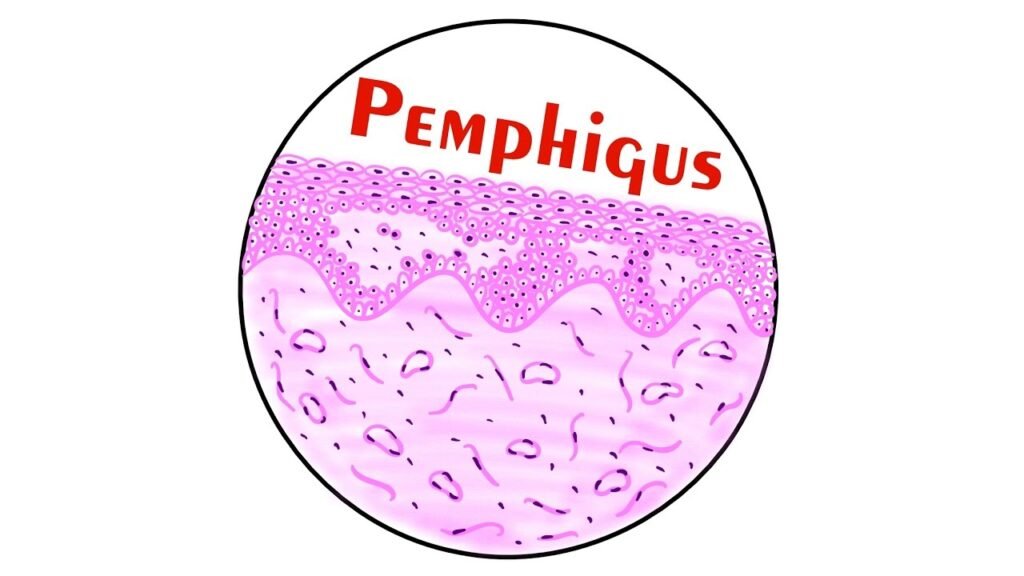
Pemphigoid
Pemphigoid is a group of autoimmune blistering disorders in which the immune system mistakenly attacks structures that help keep the layers of the skin and mucous membranes attached.
This can lead to itchy, painful or tense blisters on the skin or, in some forms, the mouth, eyes, nose, throat or genital areas.
Pemphigoid is more common in older adults, although some forms can occur during pregnancy or in younger people.
Because some types can affect the eyes, mouth or other sensitive areas, proper diagnosis and medical monitoring are important.
What Is Pemphigoid?
Pemphigoid is not one single condition. It includes several autoimmune blistering disorders.
The main forms mentioned in the doctor’s original content are:
1. Bullous Pemphigoid
Bullous pemphigoid mainly affects older adults and commonly causes large, tense blisters on the arms, legs, abdomen or other areas of the skin.
The blisters are often preceded by itchy red or irritated skin and usually do not rupture as easily as some other types of skin blisters.
2. Mucous Membrane Pemphigoid
Mucous membrane pemphigoid is a chronic autoimmune condition that can affect mucous membranes, including the:
- Mouth
- Eyes
- Nose
- Throat
- Genital area
- Anal region
Healing may sometimes cause scarring. When the eyes or throat are involved, complications can become serious, making specialist evaluation particularly important.
3. Pemphigoid Gestationis
Pemphigoid gestationis is a rare autoimmune blistering disorder associated with pregnancy. It may develop during pregnancy or shortly after delivery.
It commonly causes intensely itchy skin followed by blisters, often beginning around the abdomen and potentially spreading to the arms and legs.
It was historically called herpes gestationis, but it is not caused by the herpes virus.
Causes and Risk Factors of Pemphigoid
The exact reason why the immune system starts attacking the skin or mucous membranes is not always known.
Possible triggers or associations can include:
- Certain medications.
- Some antibiotics.
- Non-steroidal anti-inflammatory drugs (NSAIDs).
- ACE inhibitors.
- Physical trauma or burns.
- Ultraviolet light or phototherapy in some cases.
- Radiation therapy in some situations.
- Other underlying health conditions.
Not everyone who takes these medicines or experiences these factors develops pemphigoid.
Symptoms of Pemphigoid
Symptoms vary according to the type and location of pemphigoid.
Skin Symptoms
Common skin symptoms may include:
- Itchy red or irritated patches.
- Large, tense blisters.
- Blisters containing clear fluid or occasionally blood.
- Skin tenderness or pain.
- Raw or sensitive skin after a blister breaks.
- Recurrent blister formation.
In bullous pemphigoid, the early rash can sometimes resemble eczema or another inflammatory skin condition.
Mouth and Mucosal Symptoms
When mucous membranes are affected, symptoms may include:
- Blisters or sores inside the mouth.
- Pain while eating or drinking.
- Difficulty swallowing.
- Nasal lesions or irritation.
- Throat discomfort.
- Genital lesions.
Eye Symptoms
Mucous membrane pemphigoid involving the eyes may cause:
- Eye irritation.
- Redness.
- Pain or discomfort.
- Progressive scarring.
- Vision changes or impairment.
Eye involvement requires prompt specialist assessment because scarring can threaten vision.
How Is Pemphigoid Diagnosed?
Pemphigoid can resemble other blistering skin conditions, so diagnosis usually requires more than simply examining the blisters.
A healthcare professional may recommend:
Skin Biopsy
A small sample of affected or nearby skin may be examined under a microscope.
Direct Immunofluorescence
A biopsy from appropriately selected skin can be examined using immunofluorescence to identify characteristic immune deposits.
Blood Tests
Blood tests may be used to look for specific antibodies associated with autoimmune blistering disorders.
The exact tests depend on the suspected type of pemphigoid.
Management and Precautions
Management depends on the type and severity of pemphigoid and which parts of the body are affected.
Helpful precautions include:
- Do not scratch or deliberately break blisters.
- Keep affected skin clean and protected.
- Avoid foods that irritate mouth lesions.
- Choose soft or liquid foods if chewing or swallowing is painful.
- Maintain good oral hygiene without irritating the affected areas.
- Avoid known triggers when identified.
- Follow prescribed wound-care instructions.
- Seek medical attention promptly for signs of infection.
If the eyes, throat or airway are affected, specialist medical care is especially important.
Homeopathic Approach to Pemphigoid
At 247 Homeopathy, Dr. Ruchi may consider homeopathic medicines based on the individual’s symptoms, skin characteristics, location of lesions and overall health.
The following remedies are retained from the doctor’s original notes:
Natrum Salicylicum
The doctor’s notes describe Natrum Salicylicum in cases involving:
- Pemphigoid-type eruptions.
- Swelling or oedema of the skin.
- Tingling sensations.
- Itching of the affected skin.
Natrum Mur
Natrum Mur is included in the doctor’s original remedy list for pemphigoid-related complaints. The selection of an individualized remedy would depend on the patient’s complete symptom picture.
Lachesis
Lachesis is also included in the doctor’s original homeopathic treatment notes. Its selection should be based on the individual’s overall symptoms rather than the diagnosis alone.
Apis Mellifica
Apis Mellifica is included in the original notes for pemphigoid-related skin complaints, particularly where swelling, itching and sensitivity are prominent.
Frequently Asked Questions About Pemphigoid
What does a pemphigoid rash look like?
Pemphigoid can cause raised, fluid-filled blisters on the skin. The surrounding skin may be red, itchy, or irritated. The appearance can vary depending on the type of pemphigoid.
Can pemphigoid cause severe itching?
Yes. Some forms of pemphigoid, particularly bullous pemphigoid, can cause significant itching, which may occur before or along with blistering.
Can pemphigoid cause blisters without a rash?
Pemphigoid can sometimes begin with itching or skin changes before obvious blisters develop. Because several skin conditions can cause similar symptoms, persistent or unexplained blistering should be assessed by a healthcare professional.
Can pemphigoid leave scars?
Scarring depends on the type of pemphigoid. Mucous membrane pemphigoid can cause scarring when it affects mucous membranes such as the eyes or mouth and therefore requires appropriate medical monitoring.
Can pemphigoid affect the nose or throat?
Yes. Mucous membrane pemphigoid can affect areas such as the nose and throat, where inflammation or blistering may cause discomfort. Symptoms involving the airway require prompt medical assessment.
Can pemphigoid get worse if left untreated?
Yes. Pemphigoid can continue to cause new blisters and inflammation without appropriate management. Some forms can also lead to complications, so suspected pemphigoid should be evaluated and monitored by a healthcare professional.
Pemphigoid Consultation at 247 Homeopathy
If you or a family member has recurrent blisters, persistent itching, painful skin lesions or suspected pemphigoid, professional evaluation is important to establish the correct diagnosis.
Dr. Ruchi at 247 Homeopathy, Zirakpur, Punjab, provides consultations for patients from Zirakpur and nearby areas, with online consultation options available for patients worldwide.
If pemphigoid involves the eyes, mouth, throat, breathing or pregnancy, do not delay appropriate specialist medical care.
Consult Dr. Ruchi at 247 Homeopathy for individualized guidance based on your symptoms and overall health.


