MESOTHELIOMA (MALIGNANT)
Mesothelioma is a rare and serious type of cancer that develops in the mesothelium, the thin protective lining surrounding certain organs.
It most commonly affects the pleura, the lining around the lungs, but it can also develop in the lining of the abdomen, heart and, rarely, the tissue surrounding the testicles.
One of the most important known risk factors for mesothelioma is exposure to asbestos. Because mesothelioma can be difficult to detect in its early stages, persistent or unexplained symptoms, particularly in people with a history of asbestos exposure, should be medically evaluated.
At 247 Homeopathy, Zirakpur, Dr. Ruchi provides individualized homeopathic consultations based on symptoms, medical history and overall health. Online consultation is also available for patients from India and worldwide.
What Is Mesothelioma?
Mesothelioma develops when abnormal cells grow in the mesothelium, a protective lining found around several organs.
The most common form is pleural mesothelioma, which develops in the pleura around the lungs.
Other forms can affect the:
- Peritoneum — lining of the abdomen
- Pericardium — lining around the heart
- Tunica vaginalis — lining surrounding the testicles
Mesothelioma is considered a serious cancer and may progress over time. Early medical assessment is important when symptoms are persistent or unexplained.
Types of Mesothelioma
1. Pleural Mesothelioma
Pleural mesothelioma develops in the pleura, the lining surrounding the lungs. It is the most common type of mesothelioma.
2. Peritoneal Mesothelioma
This type develops in the peritoneum, the lining of the abdominal cavity.
3. Pericardial Mesothelioma
Pericardial mesothelioma develops in the pericardium, the lining surrounding the heart. It is rare.
4. Testicular Mesothelioma
This rare form develops in the lining surrounding the testicle.
Causes and Risk Factors of Mesothelioma
Asbestos Exposure
The most important known risk factor for mesothelioma is exposure to asbestos.
Asbestos is a naturally occurring mineral that was widely used in construction, manufacturing and other industries because of its heat resistance and insulating properties.
When asbestos fibers are inhaled or swallowed, they can become lodged in tissues and may cause cellular damage over many years.
Occupational Exposure
People who have worked with or around asbestos may have a higher risk, particularly those employed in industries where asbestos was historically used.
Environmental Exposure
People living near areas where asbestos was mined, processed or heavily used may also have been exposed.
Smoking
The doctor’s original content mentions smoking as a possible risk factor. However, smoking is not considered the primary cause of mesothelioma. It is still strongly advisable to avoid smoking because it can increase the risk of other serious lung diseases and cancers.
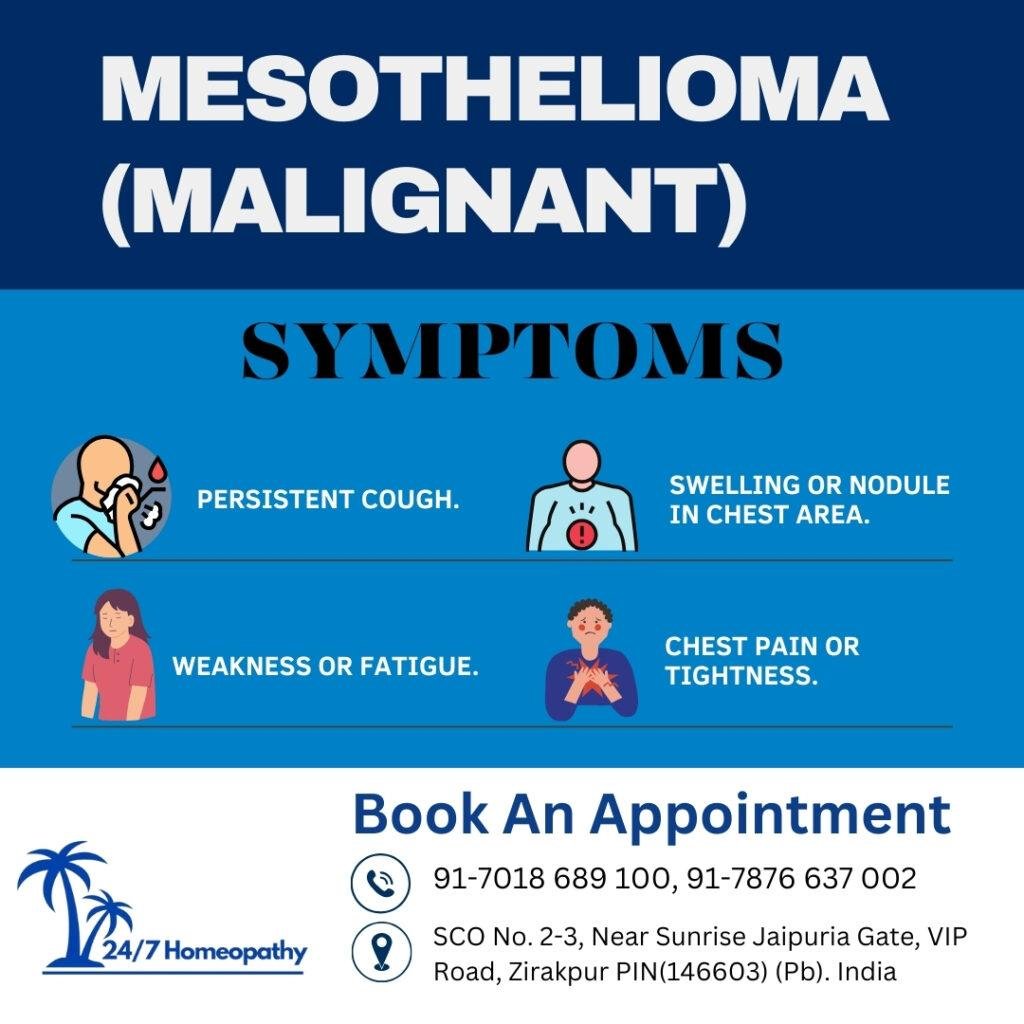
Symptoms of Mesothelioma
Symptoms depend largely on where the mesothelioma develops.
Symptoms of Pleural Mesothelioma
Possible symptoms include:
- Persistent cough
- Chest swelling or a lump
- Hoarseness
- Shortness of breath
- Chest pain or tightness
- Weakness
- Fatigue
- Difficulty swallowing
Symptoms of Pericardial Mesothelioma
Possible symptoms include:
- Chest pain
- Irregular heartbeat
- Difficulty breathing
- Cough
- Night sweats
- Fever
- Fatigue
- Weakness
Symptoms of Peritoneal Mesothelioma
Possible symptoms include:
- Nausea
- Vomiting
- Unexplained weight loss
- Abdominal pain
- Abdominal swelling
- Ascites, or fluid accumulation in the abdomen
- Diarrhea or constipation
- Loss of appetite
- Abdominal lump or swelling
- Weakness
- Fatigue
Symptoms of Testicular Mesothelioma
Possible symptoms include:
- Swelling of the testicle
- A lump in the testicle
- Testicular pain or discomfort
- Hydrocele, or fluid around the testicle
General Symptoms
Some people may experience:
- Unexplained weight loss
- Loss of appetite
- Persistent pain or discomfort
- Weakness
- Fatigue
- Bleeding or other unusual symptoms depending on the affected area
These symptoms can occur with many other conditions and do not by themselves confirm mesothelioma.
Diagnosis and Investigations
Because mesothelioma can resemble other diseases, diagnosis generally requires medical examination, imaging and tissue testing.
Investigations listed in Dr. Ruchi’s original content include:
Chest X-ray
A chest X-ray may help identify abnormalities involving the lungs or pleural area.
CT Scan
CT imaging can provide more detailed information about abnormal tissue, fluid accumulation or changes around affected organs.
MRI Scan
MRI may be used to provide detailed images of certain areas and assess the extent of disease.
PET Scan
PET scanning may help doctors assess metabolically active areas and investigate possible spread of cancer.
Biopsy
A biopsy is important for confirming mesothelioma.
Depending on the suspected location, tissue may be obtained through:
- Thoracoscopy
- Laparoscopy
- Needle biopsy
- Surgical biopsy
Biomarker Testing
Biomarker testing may provide additional information about the tumor and can sometimes help guide treatment decisions.
Precautions and Lifestyle Tips
There is no guaranteed way to prevent mesothelioma, but avoiding asbestos exposure is an important preventive measure.
Avoid Asbestos Exposure
- Follow workplace safety procedures when asbestos may be present.
- Do not disturb suspected asbestos-containing materials yourself.
- Use appropriate protective equipment in occupational settings.
- Follow professional procedures for asbestos removal.
Avoid Smoking
Although smoking is not the main cause of mesothelioma, avoiding tobacco can reduce the risk of several other lung and respiratory diseases.
Seek Medical Evaluation
People with a history of significant asbestos exposure should discuss appropriate health monitoring with a qualified healthcare professional, particularly if they develop persistent respiratory, chest or abdominal symptoms.

Homeopathic Treatment Approach for Mesothelioma
At 247 Homeopathy, Zirakpur, Dr. Ruchi uses an individualized approach based on the patient’s symptoms, medical history and overall health.
The following remedies are retained from the doctor’s original content and organized into clearer symptom-based sections.
Arsenicum Album
The original content describes the following symptom pattern:
- Nausea and vomiting after eating or drinking
- Vomiting of blood, bile or green mucus
- Digestive complaints after vinegar, acidic foods, ice cream, ice water or tobacco
- Enlarged liver and spleen
- Small, offensive, dark stools associated with marked weakness
- Cough that becomes worse after midnight
- Scanty, frothy expectoration
- Darting pain through the upper third of the right lung
Belladonna
The symptom pattern described includes:
- Violent palpitations
- Palpitations following slight exertion
- Constricted sensation in the throat
- Difficulty swallowing, particularly liquids
- Sensation of a lump
- Strong thirst for cold water
- Tender and swollen abdomen
- Cutting or stitching abdominal pain, particularly on the left side, aggravated by coughing, sneezing or touch
Nux Vomica
The original content describes:
- Bruised or sore feeling in the abdominal walls
- Rough or scraped sensation
- Stomach region sensitive to pressure
- Weakness around the abdominal ring
- Cough with a sensation as if something had been torn loose in the chest
- Shallow respiration
- Constrictive pain in the testicles
- Hydrocele
- Orchitis
Important Medical Note About Homeopathy
The remedies above are retained from Dr. Ruchi’s supplied content and describe symptom patterns traditionally considered in homeopathic practice.
However, mesothelioma is a serious cancer, and homeopathy should not replace diagnosis or recommended cancer treatment.
If mesothelioma is suspected, appropriate investigations and biopsy are important. If it has already been diagnosed, treatment should be managed by the appropriate oncology and specialist medical team.
Patients interested in complementary homeopathic care should discuss it with their treating doctors and should not delay or discontinue recommended cancer treatment.
Frequently Asked Questions About Mesothelioma
What is mesothelioma?
Mesothelioma is a rare cancer that develops in the thin lining surrounding certain organs. It most commonly affects the lining around the lungs, called the pleura.
What is the main cause of mesothelioma?
Asbestos exposure is the most important known risk factor. Asbestos fibers can be inhaled or swallowed and may remain in the body for many years before cancer develops.
What are the main types of mesothelioma?
The main types are pleural, peritoneal, pericardial and testicular mesothelioma, based on where the cancer develops.
What are the symptoms of pleural mesothelioma?
Common symptoms may include persistent cough, shortness of breath, chest pain or tightness, fatigue, weakness and difficulty swallowing.
What are the symptoms of peritoneal mesothelioma?
Symptoms may include abdominal pain or swelling, nausea, vomiting, ascites, loss of appetite, constipation or diarrhea and unexplained weight loss.
How is mesothelioma diagnosed?
Diagnosis may involve imaging such as CT, MRI or PET scans, but a biopsy is generally required to confirm the diagnosis.
Can mesothelioma develop years after asbestos exposure?
Yes. Mesothelioma can have a long latency period, meaning symptoms may appear many years after asbestos exposure.
Is smoking the main cause of mesothelioma?
No. Asbestos exposure is the major established risk factor. Smoking is strongly associated with other lung diseases and cancers but is not considered the primary cause of mesothelioma.
Can mesothelioma spread?
Yes. Mesothelioma can spread locally and to other parts of the body. The extent of disease is an important factor in determining treatment.
Which homeopathic medicines are mentioned for mesothelioma?
The doctor’s original content mentions Arsenicum Album, Belladonna and Nux Vomica, based on specific symptom patterns.
Can homeopathy cure mesothelioma?
There should be no guarantee of cure with homeopathy. Mesothelioma requires appropriate medical diagnosis and specialist cancer care. Homeopathy should not replace or delay recommended treatment.
Can homeopathy be used alongside mesothelioma treatment?
If you are considering complementary homeopathic care, discuss it with your oncologist or treating specialist before using it, particularly during active cancer treatment.
Consultation at 247 Homeopathy, Zirakpur
If you have persistent chest symptoms, unexplained abdominal swelling, breathing difficulty or another concerning symptom—especially if you have a history of asbestos exposure—seek appropriate medical evaluation.
For patients seeking complementary homeopathic care, Dr. Ruchi at 247 Homeopathy, Zirakpur, Punjab, provides individualized consultations based on symptoms, medical history and available reports.
The clinic serves patients from Zirakpur and nearby areas, including Chandigarh, Panchkula, Mohali and surrounding regions. Online consultations are also available for patients across India and worldwide.
During a consultation, Dr. Ruchi can review your symptoms and available medical information and determine whether complementary homeopathic care may be appropriate alongside standard medical management.
Contact 247 Homeopathy to enquire about a consultation with Dr. Ruchi.


