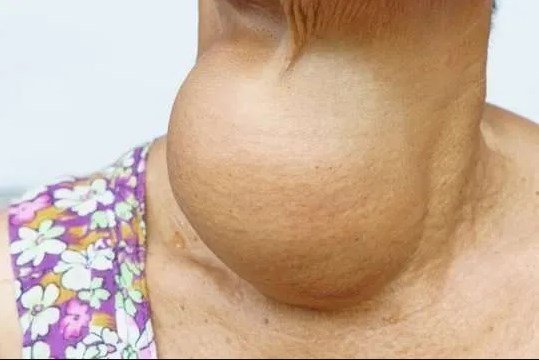
Goitre
Goitre is the abnormal enlargement of the thyroid gland, which is located at the front of the neck. An enlarged thyroid may appear as a swelling or lump in the neck.
Goitre can occur when the thyroid gland produces too little, too much or sometimes a normal amount of thyroid hormone. Different conditions, including iodine deficiency, thyroid nodules and autoimmune thyroid disorders, can contribute to thyroid enlargement.
Some goitres cause no symptoms apart from visible neck swelling, while larger goitres may cause difficulty swallowing, breathing problems or changes in the voice.
What Is Goitre?
The thyroid gland produces the hormones thyroxine (T4) and triiodothyronine (T3). These hormones have an important role in regulating metabolism and several body functions.
When the thyroid gland becomes abnormally enlarged, the condition is called goitre.
Goitre can affect people of different ages and may occur in both men and women. The underlying cause is more important than the enlargement itself because thyroid function may be normal, increased or decreased depending on the condition.
Causes of Goitre
Several conditions can cause thyroid enlargement.
Graves’ Disease
Graves’ disease is an autoimmune condition that can stimulate the thyroid gland to produce excessive thyroid hormones, resulting in hyperthyroidism and sometimes thyroid enlargement.
Hashimoto’s Disease
Hashimoto’s disease is an autoimmune thyroid condition that can cause inflammation and damage to the thyroid gland. It may eventually lead to reduced thyroid hormone production.
Iodine Deficiency
Iodine is required to produce thyroid hormones. Insufficient iodine intake can contribute to thyroid enlargement and is an important cause of goitre in areas where iodine intake is inadequate.
Thyroid Nodules
Thyroid nodules are lumps within the thyroid gland. Multiple nodules can result in a multinodular goitre.
Thyroiditis
Inflammation of the thyroid gland, known as thyroiditis, can sometimes cause temporary thyroid enlargement.
Certain Medicines
Some medicines, including lithium and amiodarone, can affect thyroid function and may contribute to thyroid enlargement in susceptible individuals.
Pregnancy and Hormonal Changes
Pregnancy can increase the thyroid gland’s demand for iodine and thyroid hormone production. Hormonal changes may also influence thyroid enlargement in some individuals.
Family History
A family history of thyroid disease or goitre may increase the likelihood of developing thyroid problems.
Thyroid Cancer
Some thyroid cancers can present as a thyroid nodule or enlargement and therefore require appropriate evaluation.
Types of Goitre
The type of goitre depends on its appearance and underlying thyroid function.
1. Simple Goitre
A simple goitre refers to an enlarged thyroid without a clearly defined thyroid tumour. It may occur when the thyroid is stimulated to enlarge to maintain adequate hormone production.
2. Colloid Goitre
Colloid or endemic goitre is traditionally associated with inadequate iodine intake.
3. Non-Toxic Goitre
A non-toxic goitre does not cause excessive thyroid hormone production. Certain medicines and other thyroid conditions may contribute to its development.
4. Multinodular Goitre
When several nodules develop within an enlarged thyroid gland, it is called a multinodular goitre.
5. Toxic Goitre
A toxic goitre is associated with hyperthyroidism, meaning the thyroid gland produces excessive thyroid hormones.
Symptoms of Goitre
Some people with goitre have no symptoms other than an enlarged thyroid.
Possible symptoms include:
- Visible swelling or enlargement in the neck
- Tightness in the throat
- Difficulty swallowing
- Difficulty breathing
- Hoarseness of voice
- Coughing
- A feeling of pressure in the neck
Symptoms may also depend on whether the thyroid is producing too much or too little hormone.
Symptoms Associated With Hyperthyroidism
When goitre is associated with excessive thyroid hormone production, symptoms may include:
- Fast heartbeat or tachycardia
- Increased sweating
- Trembling
- Loose stools
- Feeling unusually warm
- Increased metabolic activity
- Unintentional weight loss
Symptoms Associated With Hypothyroidism
When thyroid hormone production is reduced, symptoms may include:
- Reduced metabolic activity
- Weight gain
- Constipation
- Dry skin
- Irregular menstrual cycles
- Tiredness or low energy
Diagnosis of Goitre
The doctor may recommend investigations to determine the size of the thyroid, its structure and how well it is functioning.
Thyroid Ultrasound
An ultrasound can assess the size and structure of the thyroid gland and identify thyroid nodules or cystic areas.
Thyroid Blood Tests
Blood tests such as TSH, T4 and T3 may be used to evaluate thyroid function.
Radioactive Iodine Scan
In selected cases, a radioactive iodine scan may help evaluate how the thyroid is functioning and identify areas of increased or decreased activity.
FNAC
Fine-needle aspiration cytology (FNAC) may be recommended when a thyroid nodule requires further evaluation, particularly when there are features that raise concern for malignancy.
Complications of Goitre
A large thyroid enlargement may put pressure on nearby structures and cause:
- Difficulty swallowing
- Difficulty breathing
- Voice changes
- Persistent throat pressure
Other complications depend on the underlying thyroid disorder.
Nodules may sometimes bleed, and thyroid inflammation can occasionally lead to an abscess. Thyroid nodules that appear suspicious require appropriate medical evaluation to rule out cancer.
A rapidly enlarging neck swelling, difficulty breathing or difficulty swallowing requires prompt medical assessment.
Precautions and Lifestyle Tips
Lifestyle measures depend on the underlying cause of goitre.
- Maintain a balanced and nutritious diet.
- Ensure adequate iodine intake as recommended for your age and health needs.
- Do not take iodine supplements without medical advice.
- Follow recommended thyroid blood tests.
- Take prescribed thyroid medicines exactly as advised by your doctor.
- Inform your doctor about medicines such as lithium or amiodarone.
- Keep regular follow-up appointments if you have thyroid nodules or an enlarged thyroid.
- Seek medical evaluation if a neck swelling increases in size or causes difficulty swallowing or breathing.
Homeopathic Management of Goitre
At 247 Homeopathy, Zirakpur, Dr. Ruchi uses an individualized homeopathic approach based on the patient’s thyroid symptoms, general health and overall symptom picture.
The following medicines are included in Dr. Ruchi’s original homeopathic management section:
1. Iodum
Iodum is traditionally considered in homeopathic practice when thyroid enlargement is associated with symptoms suggestive of hyperthyroidism.
The symptom picture described includes:
- Increased metabolic activity
- Weight loss despite a good appetite
- Restlessness
- Feeling of heat or hot flushes
- Anxiety
- Tachycardia
- Hoarseness of voice
- Bulging eyes
- Chronic diarrhea
2. Conium Maculatum
Conium Maculatum is traditionally considered when thyroid enlargement is associated with the symptom picture described by Dr. Ruchi, including depression, irritability and weakness of memory.
Other symptoms described include:
- Loss of interest in work
- Excessive sweating of the hands
- Irritability
- Irregular menstrual cycles in women with thyroid symptoms
3. Natrum Muriaticum
Natrum Muriaticum is traditionally considered in the homeopathic symptom picture of exophthalmic goitre and thyroid enlargement.
The symptoms described include:
- Thyroid enlargement
- Enlarged tonsils
- Chronic sore throat
- Morning hoarseness
- Weak voice
- Voice fatigue after prolonged speaking
4. Kali Iodatum
Kali Iodatum is traditionally considered when there is thyroid enlargement with:
- Swelling of the thyroid gland
- Hoarseness of voice
- Pain associated with the swelling
- Sensitivity of the goitre to touch
Frequently Asked Questions About Goitre
Can giardiasis cause gas and bloating?
Yes. Giardiasis can cause increased gas and bloating, often along with abdominal cramps or changes in bowel movements. Persistent digestive symptoms should be evaluated if they do not improve.
Can giardiasis cause foul-smelling diarrhea?
Yes. Giardiasis may cause loose stools that are unusually foul-smelling and can sometimes appear greasy. These symptoms can occur because the infection can interfere with normal digestion and absorption.
Can giardiasis cause nausea without diarrhea?
Yes. Nausea can occur with giardiasis, although diarrhea is a common symptom. Nausea without diarrhea can have many other causes, so persistent symptoms should be medically assessed.
Can giardiasis cause tiredness and weakness?
Yes. Ongoing diarrhea, reduced food intake and loss of fluids can contribute to tiredness and weakness during giardiasis.
Can giardiasis last for several weeks?
Yes. Symptoms can persist for weeks in some people if the infection is not resolved. Ongoing diarrhea, weight loss or other persistent digestive symptoms should be assessed by a healthcare professional.
Can giardiasis spread from person to person?
Yes. Giardia can spread from an infected person to another person through fecal-oral transmission, particularly when hand hygiene is inadequate. Careful handwashing and appropriate hygiene can help reduce transmission.
Consultation at 247 Homeopathy
If you have thyroid enlargement, a visible neck swelling, hoarseness, throat tightness or other symptoms associated with thyroid dysfunction, you can consult Dr. Ruchi at 247 Homeopathy in Zirakpur, Punjab.
247 Homeopathy serves patients in Zirakpur and nearby areas, while also providing online consultations for patients across India and worldwide.
Dr. Ruchi can review your symptoms, thyroid reports, ultrasound findings and overall health history to understand your individual case and discuss an appropriate homeopathic approach.
Book a consultation with Dr. Ruchi at 247 Homeopathy, Zirakpur, or enquire about an online consultation from anywhere in the world.


