COLORECTAL CANCER
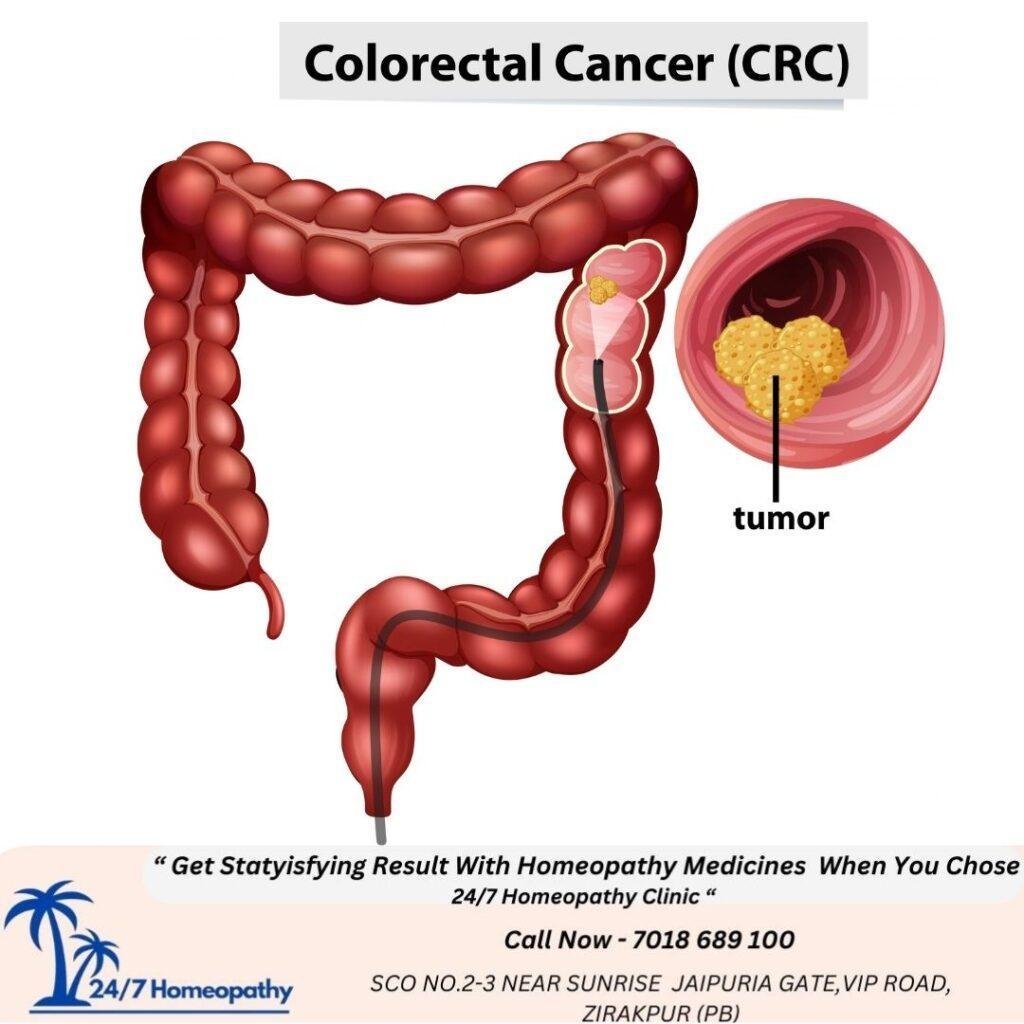
Colorectal cancer is a cancer that develops in the large intestine. The large intestine includes the colon and rectum, and cancer can develop in either area or involve both.
Colorectal cancer commonly begins as a growth called a polyp. Some types of polyps can gradually develop abnormal changes and become cancerous over time.
Colorectal cancer is more commonly seen in adults. Recognizing persistent changes in bowel habits, rectal bleeding, blood in the stool or unexplained weight loss can help people seek appropriate medical evaluation.
What is Colorectal Cancer?
The colon is the major part of the large intestine, while the rectum is the final section that connects the colon to the anus.
Colorectal cancer develops when cells in the colon or rectum undergo abnormal changes and begin growing uncontrollably.
Normally, DNA within cells provides instructions for growth, division and cell death. Changes in the DNA can interfere with these normal processes. Abnormal cells may continue to multiply and accumulate, eventually forming a tumor.
Some colorectal cancers develop from pre-existing polyps. Not every polyp becomes cancerous, but certain polyps can become cancerous over time.
Causes and Risk Factors of Colorectal Cancer
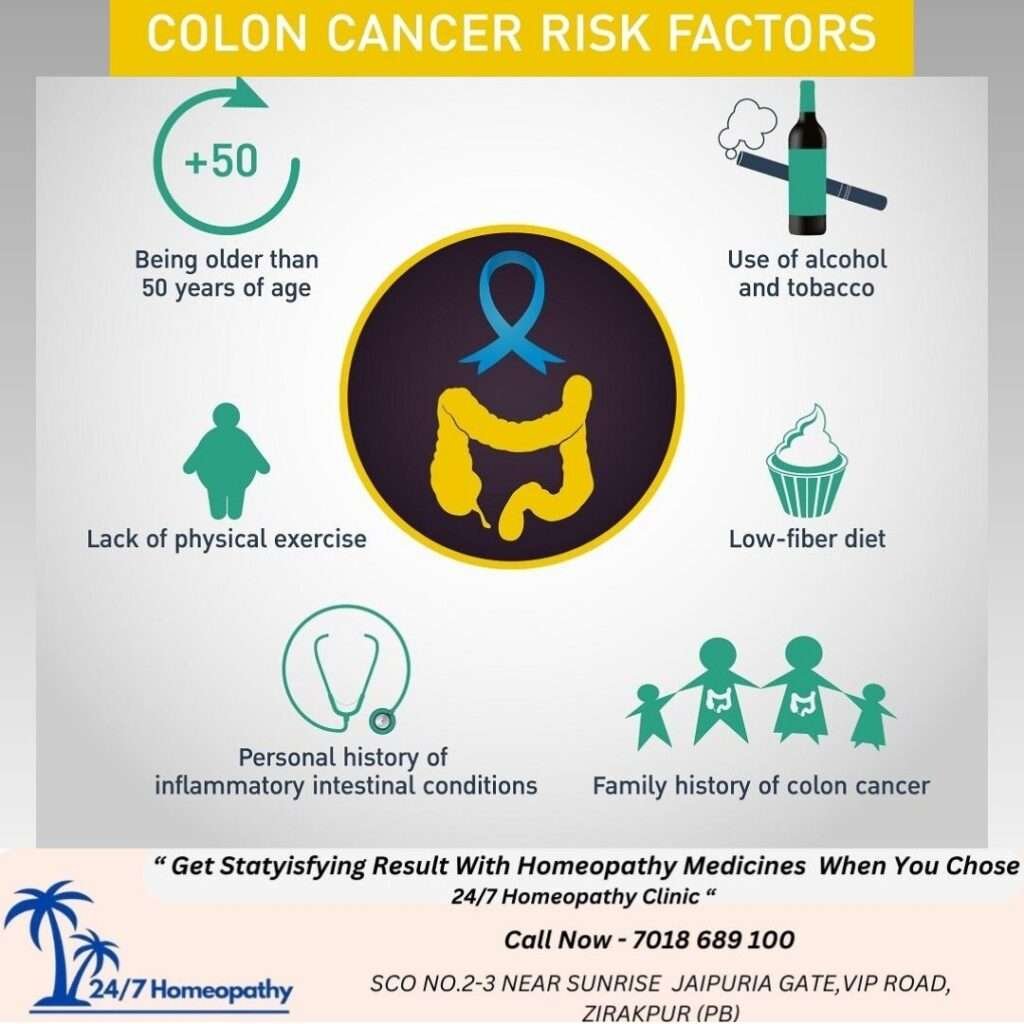
The exact cause of colorectal cancer can vary from person to person. Changes in the DNA of intestinal cells play an important role in the development of cancer.
The risk factors mentioned in Dr. Ruchi’s provided information include:
Chronic Inflammatory Intestinal Conditions
Long-standing inflammatory conditions affecting the intestine can increase the risk of colorectal cancer.
Family History
Having a family history of colorectal cancer may increase a person’s risk.
Diet
The original information identifies a low-fiber and high-fat diet as a possible risk factor.
Obesity and Physical Inactivity
Being overweight or obese and having a sedentary lifestyle may increase the risk.
Smoking and Alcohol
Smoking and excessive alcohol intake are included among the risk factors.
Previous Radiation Therapy
Previous radiation exposure or radiation therapy is mentioned as a possible risk factor.
Diabetes
Diabetes is also included in the provided risk factors.
Colon Polyps
Certain colon polyps can develop into cancer over time if they are not appropriately evaluated and managed.
Having a risk factor does not mean that a person will definitely develop colorectal cancer.

Symptoms of Colorectal Cancer
Symptoms can vary depending on the location and extent of the cancer.
The symptoms mentioned in the provided information include:
- Weakness and fatigue
- Unexplained weight loss
- Rectal bleeding
- Blood in the stool
- Alternating diarrhea and constipation
- Changes in stool consistency
- Difficulty passing stool
- Lower abdominal pain
- A feeling of heaviness or discomfort in the lower abdomen
Changes in Bowel Habits
A persistent change in bowel habits, including constipation, diarrhea or changes in stool consistency, should not be ignored.
Blood in the Stool
Blood in the stool or bleeding from the rectum can have several causes, but it requires medical evaluation, particularly when it is persistent or associated with other symptoms.
Unexplained Weight Loss
Unintentional weight loss accompanied by bowel changes, abdominal symptoms or weakness should be evaluated by a healthcare professional.
Diagnosis of Colorectal Cancer
Several investigations may be used when colorectal cancer is suspected.
Physical Examination
A doctor may assess the patient’s symptoms, medical history and general health.
Colonoscopy
A colonoscopy allows a doctor to examine the inside of the colon and rectum. Abnormal growths or polyps may be identified during the procedure.
Blood Tests
Blood tests may be used to assess general health and, when appropriate, look for certain markers or abnormalities associated with colorectal disease.
Biopsy
A biopsy involves taking a tissue sample for laboratory examination. It can help confirm whether abnormal cells are cancerous.
CT Scan
A CT scan can provide detailed images and may be used to assess the extent of disease.
MRI
MRI may provide detailed images of soft tissues and can be used when clinically appropriate.
Ultrasound and Chest X-ray
The provided information includes ultrasound and chest X-ray as investigations that may be used when assessing whether disease has spread to other areas.
PET Scan
A PET scan may be used in selected situations to evaluate abnormal areas and assess possible spread of cancer.
The specific investigations required depend on the patient’s symptoms, examination findings and medical assessment.
Prevention and Lifestyle Measures
Some lifestyle measures may help support general health and may reduce certain colorectal cancer risk factors.
The recommendations in Dr. Ruchi’s original content include:
- Quit smoking.
- Limit alcohol intake.
- Eat a balanced diet with fresh fruits and vegetables.
- Avoid excessive fatty and highly processed foods.
- Exercise regularly.
- Maintain a healthy body weight.
- Drink adequate water.
- Follow appropriate screening and medical checkups, especially when risk factors are present.
Homeopathic Treatment Approach for Colorectal Cancer
At 247 Homeopathy, the homeopathic approach is considered according to the individual’s symptoms, health history and overall presentation.
The remedies mentioned in Dr. Ruchi’s original notes include Nux Vomica, Nitricum Acidum and Phosphorus.
Nux Vomica
The provided notes mention:
- Bruised soreness of the abdominal wall
- Constipation with frequent but ineffective urging
- Alternating constipation and diarrhea
- Sensation of constriction in the rectum
- Scanty stool with considerable straining or urging
- Itching around the anus
- Weakness of the legs with numbness or a sensation of paralysis
Nitricum Acidum
The provided notes mention:
- Sensation as if the rectum were torn, with great straining but little stool passed
- Constipation alternating with diarrhea that may be slimy and offensive
- Abdominal colic relieved by tightening clothing
- Abdominal pain that appears and disappears quickly
- Bleeding from the bowel, described in the original notes as profuse and bright red
Phosphorus
The provided notes mention:
- Blood discharge from the rectum during stool
- Great weakness after passing stool
- Painless, copious and debilitating diarrhea
- Hunger soon after eating
- Abdominal pain
- Offensive stool
- Weakness and trembling throughout the body
- Excessive weight loss
Frequently Asked Questions
Can colorectal cancer cause thin or narrow stools?
Yes. A tumor that narrows part of the bowel can sometimes change the shape or size of stools. Persistent changes in stool shape should be evaluated, although they can also have other causes.
Can colorectal cancer cause a feeling of incomplete bowel movement?
Yes. Some people may feel that they still need to pass stool even after having a bowel movement. Persistent changes in bowel habits or this sensation should be discussed with a healthcare professional.
Can colorectal cancer cause gas and bloating?
Colorectal cancer can sometimes be associated with persistent bloating, gas or abdominal discomfort, particularly when the bowel is affected. These symptoms are common and usually have other possible causes.
Can colorectal cancer cause iron-deficiency anemia?
Yes. Slow bleeding from the digestive tract can sometimes lead to iron-deficiency anemia. Unexplained anemia, particularly when accompanied by fatigue or other bowel symptoms, may require further evaluation.
Can colorectal cancer occur in younger adults?
Yes. Although colorectal cancer is more common with increasing age, it can also occur in younger adults. Persistent or unexplained bowel symptoms should not be dismissed solely because of age.
Can colorectal cancer spread to other organs?
Yes. Colorectal cancer can spread beyond the colon or rectum to other parts of the body. The sites and extent of spread vary between individuals and are assessed through appropriate investigations.
Consultation at 247 Homeopathy, Zirakpur
If you are looking for a homeopathic consultation regarding colorectal health concerns, 247 Homeopathy with Dr. Ruchi in Zirakpur, Punjab, provides individualized consultations based on the patient’s symptoms and health history.
During a consultation, patients can discuss their symptoms, previous reports, investigations, current medicines and ongoing medical treatment.
For anyone with suspected or diagnosed colorectal cancer, appropriate evaluation and follow-up with a qualified gastroenterologist, colorectal specialist or oncology team remain essential. Any complementary homeopathic approach should be discussed with the treating medical team.


