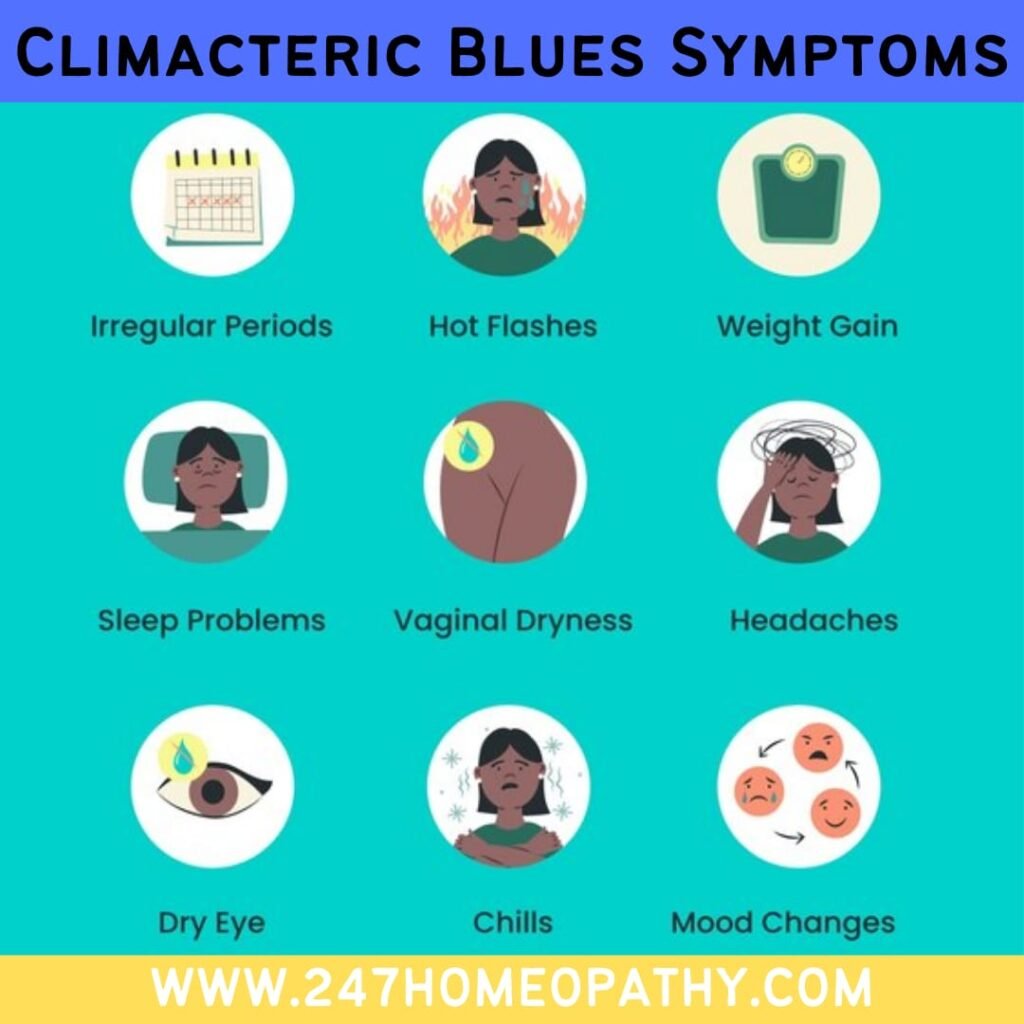
Climacteric Blues
Climacteric blues refers to emotional and mood-related difficulties that may occur during the menopausal transition. The climacteric period includes perimenopause, menopause and the postmenopausal years.
During perimenopause, ovarian hormone levels fluctuate and eventually decline. These changes can occur alongside hot flushes, night sweats, sleep problems and other physical symptoms. For some women, these changes may also affect mood and emotional wellbeing.
It is important to understand that feeling low or emotionally unsettled during menopause does not automatically mean clinical depression. However, persistent sadness, loss of interest, hopelessness, severe anxiety or other significant changes in mood deserve professional evaluation.
What Is Climacteric Blues?
The climacteric period is the stage of life surrounding the menopause transition. It generally includes:
- Perimenopause: the years leading up to menopause, when menstrual cycles and hormone levels begin to change.
- Menopause: the point when a woman has gone 12 consecutive months without a menstrual period, when there is no other medical explanation.
- Postmenopause: the years after menopause.
“Climacteric blues” is not a formal psychiatric diagnosis. The term is sometimes used to describe low mood, emotional changes, anxiety, irritability or reduced wellbeing associated with the menopausal transition.
Some women experience only mild emotional changes, while others may develop clinically significant anxiety or depression that needs medical treatment.
Why Can Menopause Affect Mood?
Hormonal changes during the menopausal transition can occur alongside changes in sleep, body temperature regulation and other physical symptoms. These factors may influence emotional wellbeing.
Mood changes can also be affected by life circumstances that commonly occur during midlife, such as:
- Work-related stress
- Relationship difficulties
- Caring for family members
- Changes in children or family responsibilities
- Bereavement
- Concerns about aging
- Poor sleep
- Persistent menopausal symptoms
Therefore, emotional symptoms during menopause are often influenced by multiple biological, psychological and social factors, rather than one single cause.
Risk Factors for Mood Changes During Menopause

Not every woman experiences significant mood problems during the menopausal transition.
Factors that may increase the likelihood of depression or significant mood symptoms include:
- Previous depression or anxiety
- A history of significant premenstrual mood symptoms
- Previous depression associated with pregnancy or the postpartum period
- Severe or frequent menopausal symptoms
- Chronic sleep problems
- High levels of ongoing stress
- Major life changes or loss
- Physical inactivity
- Smoking
- Negative attitudes or distress about the aging process
Having one or more of these factors does not mean that a woman will develop depression.
Symptoms of Climacteric Blues
Emotional symptoms can range from mild mood changes to symptoms that meet the criteria for a depressive disorder.
Possible symptoms include:
- Persistent sadness or low mood
- Irritability
- Anxiety or excessive worry
- Feeling overwhelmed or stressed
- Reduced sense of wellbeing
- Low energy
- Persistent tiredness
- Loss of interest in usual activities
- Difficulty concentrating
- Feelings of worthlessness or guilt
- Changes in appetite or weight
- Reduced sexual interest
- Sleep difficulties
- Restlessness
- Social withdrawal
- Feeling hopeless
Some women may also experience physical menopausal symptoms such as:
- Hot flushes
- Night sweats
- Headaches
- Palpitations
- Joint or muscle discomfort
- Vaginal dryness
- Changes in menstrual cycles
These symptoms can overlap with depression, anxiety and other health conditions, so persistent or severe symptoms should not simply be attributed to menopause.
Climacteric Blues vs Clinical Depression
It is important to distinguish occasional low mood from depression.
Feeling sad, irritable or overwhelmed for a short period can occur during stressful life changes. However, persistent symptoms that interfere with daily life may indicate depression or another mental health condition.
Symptoms of depression can include persistent low mood, loss of interest or pleasure, changes in sleep or appetite, fatigue, difficulty concentrating, feelings of worthlessness or hopelessness, and thoughts of death or suicide.
If you are experiencing thoughts of self-harm or suicide, seek urgent professional help rather than trying to manage the symptoms alone.
Diagnosis and Assessment
There is no single test for “climacteric blues.”
A healthcare professional may assess:
- Your mood and emotional symptoms
- Menstrual and menopausal history
- Sleep quality
- Hot flushes and night sweats
- Medication and medical history
- Stress and major life events
- Previous depression or anxiety
- How symptoms affect daily activities
Validated questionnaires may sometimes be used to assess symptoms of depression or anxiety.
Blood tests are not routinely required to diagnose depression, although a doctor may recommend tests when symptoms could also be related to another condition, such as thyroid disease, anemia or nutritional deficiencies.
Management and Lifestyle Support
Several healthy habits may support emotional wellbeing during the menopausal transition.
Regular Physical Activity
Regular exercise can support mood, sleep, cardiovascular health and overall wellbeing. Activities such as walking, strength training, yoga or other enjoyable forms of movement can be incorporated according to individual ability.
Breathing and Relaxation
Slow, deep breathing and mindfulness exercises may help reduce stress and promote relaxation.
Try setting aside a few minutes each day for:
- Slow breathing
- Meditation
- Gentle stretching
- Mindfulness
- Relaxation exercises
Healthy Sleep Routine
Poor sleep can make mood symptoms worse. Helpful habits include:
- Maintain a regular sleep and wake time.
- Keep the bedroom comfortable and quiet.
- Reduce screen exposure before bedtime.
- Avoid excessive caffeine late in the day.
- Develop a relaxing bedtime routine.
Balanced Nutrition
A varied diet containing vegetables, fruits, whole grains, legumes, protein sources and healthy fats can support overall health.
Foods containing B vitamins include:
- Leafy green vegetables
- Beans and legumes
- Whole grains
- Dairy products
- Eggs
- Meat and fish
Supplements should not be taken routinely without discussing the need and appropriate dose with a healthcare professional.
Reduce Alcohol and Avoid Smoking
Alcohol can interfere with sleep and may worsen mood in some people. Smoking also has significant health risks. Reducing alcohol and stopping smoking can support overall health during and after menopause.
Stay Socially Connected
Maintaining supportive relationships and engaging in meaningful activities can help reduce isolation and support emotional wellbeing.
Talking with a trusted person or joining a support group can be helpful when menopause-related changes feel overwhelming.
When Should You See a Doctor?
Speak with a healthcare professional if:
- Low mood persists
- Anxiety is becoming difficult to manage
- Sleep problems continue
- You have lost interest in activities you normally enjoy
- Symptoms interfere with work, relationships or daily life
- You feel persistently hopeless or worthless
- Menopausal symptoms are significantly affecting your quality of life
A doctor can determine whether the symptoms are related to menopause, depression, anxiety, another medical condition, or a combination of factors.
Homeopathic Treatment Approach at 247 Homeopathy
At 247 Homeopathy, Zirakpur, Dr. Ruchi takes an individualized approach to homeopathic care for women experiencing emotional or physical symptoms around the menopausal transition.
The following remedies are included in Dr. Ruchi’s existing homeopathic approach:
Cimicifuga
Cimicifuga is traditionally considered in homeopathic practice when menopausal symptoms are accompanied by significant mood changes, anxiety, emotional distress and physical symptoms such as headaches or hot sensations, depending on the individual’s overall symptom pattern.
Lachesis
Lachesis is traditionally considered for certain menopausal presentations involving hot flushes, palpitations, headaches and marked emotional or behavioral changes.
Ignatia Amara
Ignatia amara may be considered when the symptom picture includes emotional sensitivity, sadness, mood changes, grief, disappointment, sighing or a tendency to internalize emotions.
Amyl Nitrosum
Amyl nitrosum is traditionally considered in homeopathic practice for certain presentations involving hot flushes, palpitations, anxiety and headaches during the menopausal period.
Frequently Asked Questions About Climacteric Blues
Can perimenopause cause irritability and anger?
Yes. Hormonal changes during perimenopause can be associated with irritability, mood swings and increased emotional sensitivity. Poor sleep and stress may make these symptoms more noticeable.
Can menopause cause crying spells?
Yes. Some people experience increased tearfulness or crying during the menopausal transition. Frequent or persistent crying, particularly with loss of interest or hopelessness, may warrant an assessment for depression.
Can menopause cause mood changes even without hot flashes?
Yes. Emotional symptoms can occur during perimenopause or menopause even when hot flashes or night sweats are not prominent. Sleep, hormonal changes and other personal or health factors can influence mood.
Can menopause make existing anxiety or depression worse?
Menopausal changes may coincide with worsening symptoms in some people who already experience anxiety or depression. A significant change in symptoms should be discussed with a healthcare professional rather than assumed to be caused only by menopause.
Can menopause cause difficulty concentrating or brain fog?
Some people report difficulty concentrating, forgetfulness or a feeling of mental “fog” during the menopausal transition. Sleep disruption, stress and other health factors can also contribute to these symptoms.
When should I seek help for mood changes during menopause?
Seek professional help when mood symptoms are persistent, severe, interfere with work or relationships, or are difficult
Consult 247 Homeopathy in Zirakpur
If you are experiencing mood changes, anxiety, sleep difficulties, hot flushes or other symptoms during the menopausal transition, 247 Homeopathy, Zirakpur, provides individualized consultations with Dr. Ruchi.


