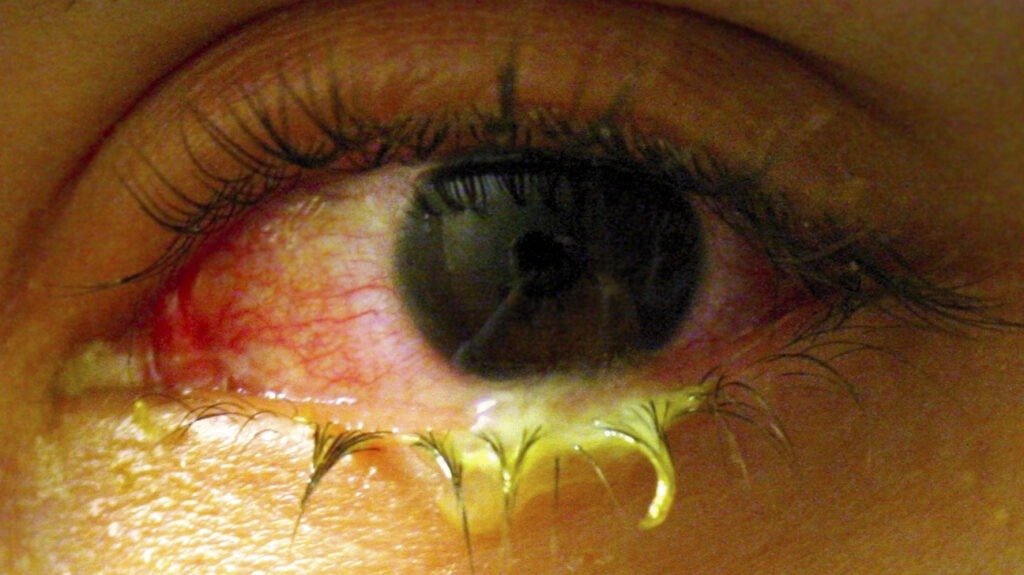
Conjunctivitis
Conjunctivitis, commonly called pink eye, is inflammation of the conjunctiva—the thin, transparent membrane covering the white part of the eye and the inner surface of the eyelids.
It can be caused by a viral or bacterial infection, an allergy, or irritation from substances such as smoke, dust or chemicals. The symptoms can look similar even when the underlying cause is different.
Most cases of conjunctivitis are mild, but some eye conditions can look like conjunctivitis while requiring urgent treatment. Severe eye pain, significant sensitivity to light, vision loss or marked swelling should therefore be evaluated promptly by an eye-care professional.
What Is Conjunctivitis?
The conjunctiva helps protect and lubricate the surface of the eye. When it becomes inflamed, the small blood vessels become more visible, causing the eye to appear red or pink.
Conjunctivitis can affect one or both eyes.
Depending on the cause, it may be:
- Viral conjunctivitis
- Bacterial conjunctivitis
- Allergic conjunctivitis
- Irritant or chemical conjunctivitis
It can also be described as acute or chronic depending on how long symptoms persist.
Viral Conjunctivitis
Viral conjunctivitis is a common cause of pink eye. It may occur along with a cold, sore throat or other respiratory infection. Viral conjunctivitis can spread easily from person to person.
Bacterial Conjunctivitis
Bacterial conjunctivitis can cause redness and discharge from the eye. The discharge may be thicker and more noticeable than with many viral infections.
Allergic Conjunctivitis
Allergic conjunctivitis occurs when the eyes react to allergens such as:
- Pollen
- Dust mites
- Animal dander
- Mold
- Other environmental allergens
Itching is particularly common with allergic conjunctivitis.
Irritant or Chemical Conjunctivitis
Exposure to smoke, fumes, dust, cosmetics, chlorine or other irritating substances can inflame the conjunctiva.
If a chemical enters the eye, it should be treated as an eye emergency and the eye should be rinsed immediately with clean running water while urgent medical attention is sought.
Causes of Conjunctivitis
Common causes include:
- Viral infections
- Bacterial infections
- Allergies
- Dust and environmental allergens
- Smoke and fumes
- Chemical irritants
- Foreign bodies entering the eye
- Certain cosmetic or personal-care products
Viral and bacterial conjunctivitis can be contagious.
Sharing towels, pillowcases, eye makeup or other items that come into contact with the eyes can increase the risk of spreading infection.
Risk Factors
The risk of developing conjunctivitis may increase with:
- Close contact with someone who has infectious conjunctivitis
- Poor hand hygiene
- Touching or rubbing the eyes frequently
- Sharing towels or personal items
- Using contaminated eye makeup
- Seasonal allergies
- Exposure to smoke, dust or chemical irritants
- Wearing contact lenses improperly or for longer than recommended
Symptoms of Conjunctivitis
Symptoms vary according to the cause but may include:
- Red or pink appearance of the eye
- Watery eyes
- Eye itching
- Burning or irritation
- Swollen eyelids
- Sticky or thick eye discharge
- Crusting around the eyelids, particularly after sleeping
- Sensation of sand or a foreign body in the eye
- Increased sensitivity or discomfort
- Mild blurred vision caused by tears or discharge
Is It Conjunctivitis or Something More Serious?
Simple conjunctivitis usually causes irritation, redness and discharge but does not usually cause severe eye pain or significant loss of vision.
Seek prompt medical attention if you experience:
- Moderate or severe eye pain
- Significant sensitivity to light
- Reduced or lost vision
- Severe swelling around the eye
- A foreign body that cannot be removed
- A chemical injury
- Severe headache with nausea and eye pain
- Symptoms after an eye injury
- Significant symptoms while wearing contact lenses
These symptoms may indicate a condition more serious than uncomplicated conjunctivitis.
Diagnosis of Conjunctivitis
Conjunctivitis is generally diagnosed through an eye examination and medical history.
An eye-care professional may assess:
- The appearance of the conjunctiva
- Eyelid swelling
- Type and amount of discharge
- Symptoms in one or both eyes
- Recent exposure to infections or allergens
- Contact lens use
- Other associated symptoms
Additional testing may sometimes be required when the diagnosis is uncertain, symptoms are severe or the infection is not responding as expected.
Management and Precautions
Treatment depends on the cause. Viral, bacterial, allergic and irritant conjunctivitis are not managed in exactly the same way.
Maintain Good Hand Hygiene
Wash your hands regularly, particularly before and after touching your eyes or applying eye drops.
Avoid Touching or Rubbing Your Eyes
Rubbing can worsen irritation and may spread infection from one eye to the other.
Do Not Share Personal Items
Avoid sharing:
- Towels
- Pillowcases
- Eye makeup
- Washcloths
- Eye drops
Avoid Eye Makeup
Do not use eye makeup while the eyes are irritated. Discard eye cosmetics that may have become contaminated during an episode of infectious conjunctivitis.
Avoid Contact Lenses
If you develop conjunctivitis, stop wearing contact lenses until an eye-care professional advises that it is safe to resume them.
Contact-lens wearers with a red or painful eye should seek medical assessment because certain corneal infections can become serious.
Gently Clean Eye Discharge
A clean, soft cloth or sterile material can be used to gently remove crusting and discharge. Use a separate clean material for each eye.
Cold Compress
A clean, cool compress can help relieve irritation and swelling, particularly with allergic conjunctivitis.
Do Not Self-Medicate With Antibiotic or Steroid Eye Drops
Antibiotic eye drops are not useful for viral conjunctivitis, while steroid-containing eye drops should only be used under appropriate medical supervision. Some eye conditions can worsen with inappropriate steroid use.
How Long Does Conjunctivitis Last?
The duration depends on the cause.
Many viral cases improve gradually without specific treatment, while bacterial conjunctivitis may require medical assessment and, in selected cases, antibiotic treatment.
Allergic conjunctivitis can continue as long as the person remains exposed to the triggering allergen.
Persistent or worsening symptoms should be evaluated rather than assuming they are simply ongoing conjunctivitis.
Homeopathic Treatment Approach at 247 Homeopathy
At 247 Homeopathy, Zirakpur, Dr. Ruchi takes an individualized approach when discussing homeopathic care for patients with eye-related complaints.
The following remedies are part of Dr. Ruchi’s existing homeopathic approach:
Apis Mellifica
In traditional homeopathic practice, Apis mellifica is considered when there is marked eyelid swelling, burning or stinging discomfort and watery symptoms, particularly when the overall symptom pattern is consistent with the remedy.
Euphrasia Officinalis
Euphrasia is traditionally used in homeopathy for eye complaints involving watery eyes, irritation, a gritty or sandy sensation and discharge.
Histaminum
Histaminum is traditionally considered in homeopathic practice when conjunctival symptoms have an allergic pattern, particularly itching, irritation, eyelid swelling and watery or discharge-related symptoms.
Frequently Asked Questions About Conjunctivitis
Can conjunctivitis cause eye pain?
Mild irritation or discomfort can occur with conjunctivitis, but severe or significant eye pain is not typical of simple pink eye and should be assessed promptly.
Can conjunctivitis cause sensitivity to light?
Mild light sensitivity can occur, but marked or persistent sensitivity to light may indicate another eye problem and should receive professional evaluation.
How long is conjunctivitis contagious?
The contagious period depends on the cause. Viral and bacterial conjunctivitis can spread while infection is active, so good hand hygiene and avoiding shared personal items are important.
Can conjunctivitis cause swollen lymph nodes?
Some viral infections that cause conjunctivitis can also cause tender lymph nodes, particularly near the ears or jaw. Persistent or significant swelling should be evaluated.
Can you get conjunctivitis from touching your eyes?
Touching the eyes with contaminated hands can contribute to the spread of infectious conjunctivitis. Washing hands regularly and avoiding unnecessary eye touching can reduce transmission.
Can conjunctivitis return after it clears?
Yes. A person can develop conjunctivitis again if they are exposed to another infection or trigger. Recu
Consult 247 Homeopathy in Zirakpur
If you are experiencing recurrent eye irritation, redness, itching or other symptoms and would like to discuss complementary homeopathic care, you can consult Dr. Ruchi at 247 Homeopathy, Zirakpur.
During a consultation, your symptoms, medical history, possible triggers and existing treatment can be discussed to determine whether complementary care is appropriate.
Consult Dr. Ruchi at 247 Homeopathy, Zirakpur, for personalized guidance.
For severe eye pain, significant vision changes, chemical exposure, eye injury or marked sensitivity to light, seek prompt evaluation from an eye-care professional rather than relying on home treatment alone.