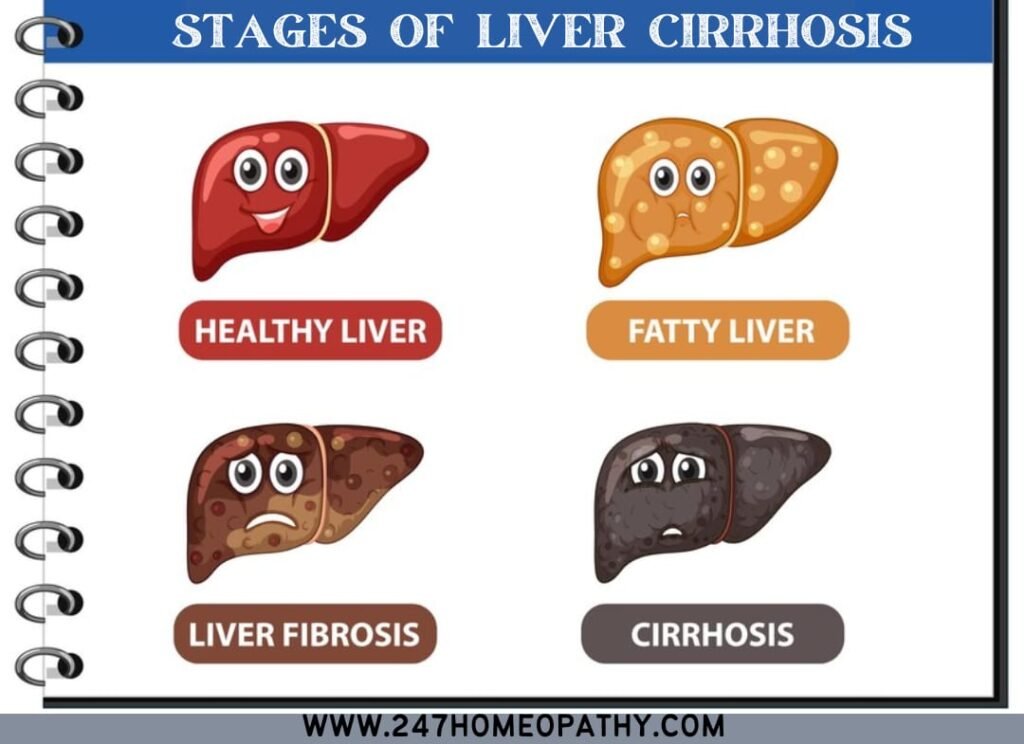
Cirrhosis Of Liver
Cirrhosis of the liver is a late stage of long-term liver disease in which healthy liver tissue is gradually replaced by scar tissue. This scarring can permanently change the structure and function of the liver.
Cirrhosis usually develops over many years because of ongoing liver injury. Common causes include chronic hepatitis B or C, alcohol-associated liver disease, and metabolic dysfunction-associated steatotic liver disease (MASLD), previously known as non-alcoholic fatty liver disease.
In its early stages, cirrhosis may cause few or no noticeable symptoms. As liver damage progresses, a person may develop jaundice, swelling of the legs, fluid accumulation in the abdomen, easy bruising, confusion and other complications.
Early diagnosis and treatment of the underlying liver disease can help reduce the risk of further liver damage.
What Is Cirrhosis of the Liver?
The liver performs many important functions, including:
- Processing nutrients from food
- Producing proteins such as albumin
- Helping blood clot normally
- Processing medicines and other substances
- Producing bile
- Removing waste products from the blood
- Helping regulate energy metabolism
When the liver is repeatedly injured, the body produces scar tissue as part of the healing process. With continuing injury, increasing amounts of normal liver tissue can be replaced by fibrosis and scar tissue.
Advanced cirrhosis can interfere with the liver’s ability to perform its normal functions.
Cirrhosis is considered permanent scarring, but treating the underlying cause can sometimes slow or prevent further progression and may improve liver health in some situations.
Causes of Liver Cirrhosis
Causes:
Cirrhosis can develop from several chronic liver conditions.
Alcohol-Associated Liver Disease
Long-term heavy alcohol consumption can cause repeated liver injury and eventually lead to cirrhosis.
The amount of alcohol associated with liver damage varies between individuals, and there is no single number of drinks that guarantees or prevents cirrhosis.
Chronic Hepatitis B or C
Long-standing infection with hepatitis B or hepatitis C can cause chronic inflammation and progressive liver scarring.
Modern antiviral treatments can be highly effective for hepatitis C, while treatment can control chronic hepatitis B and reduce the risk of complications.
Fatty Liver Disease
Metabolic dysfunction-associated steatotic liver disease (MASLD) can cause inflammation and progressive scarring in some people. Risk is higher in people with conditions such as obesity, type 2 diabetes and metabolic syndrome.
Other Causes
Less common causes include:
- Primary biliary cholangitis
- Primary sclerosing cholangitis
- Autoimmune hepatitis
- Certain inherited liver diseases
- Cystic fibrosis-related liver disease
- Biliary atresia and other disorders affecting bile flow
- Certain medications or toxins
- Long-term blockage of the bile ducts
Sometimes the cause of cirrhosis cannot be identified despite investigation.
Risk Factors for Cirrhosis
The risk of chronic liver damage may increase with:
- Long-term heavy alcohol use
- Chronic hepatitis B or C infection
- Obesity
- Type 2 diabetes
- Metabolic syndrome
- Certain inherited liver disorders
- Long-term exposure to some medications or toxins
- A family history of particular liver diseases
Having a risk factor does not mean that a person will definitely develop cirrhosis.
Stages and Progression of Liver Cirrhosis
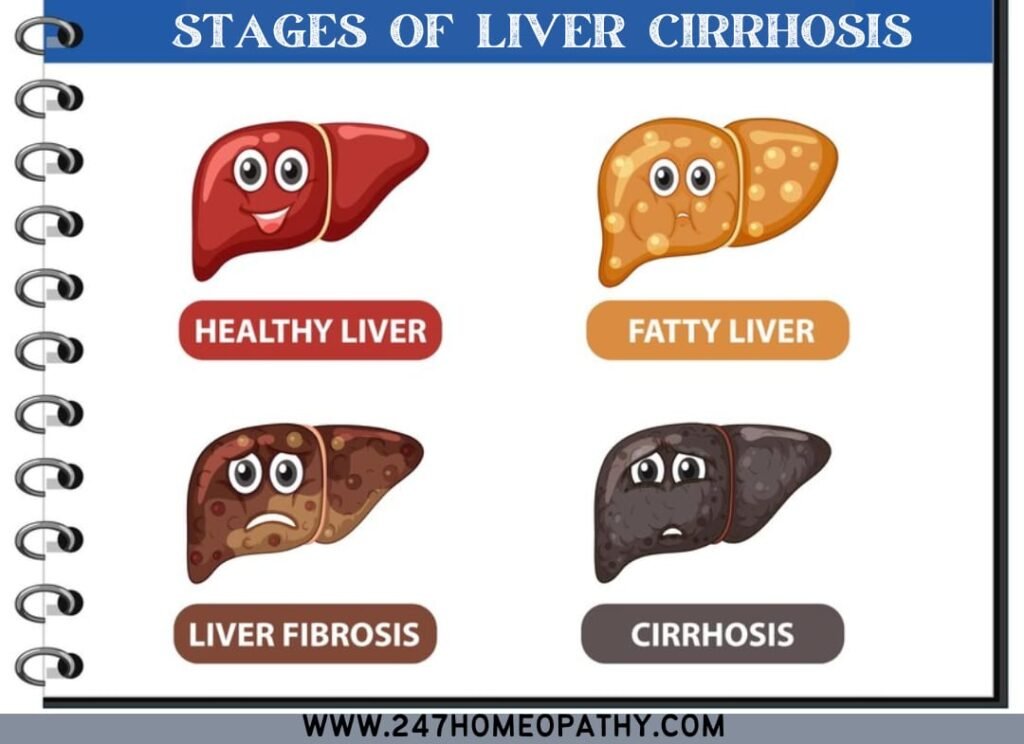
Cirrhosis is not always described using four simple stages. Healthcare professionals often assess liver disease according to the amount of fibrosis, liver function and whether complications have developed.
A useful clinical distinction is between:
Compensated Cirrhosis
In compensated cirrhosis, significant scarring is present, but the liver may still perform many of its essential functions. Some people have few or no symptoms.
Decompensated Cirrhosis
Decompensated cirrhosis occurs when serious complications develop. These may include:
- Ascites
- Jaundice
- Gastrointestinal bleeding from varices
- Hepatic encephalopathy
- Significant fluid retention
Decompensated cirrhosis requires specialist medical care.
Symptoms of Liver Cirrhosis
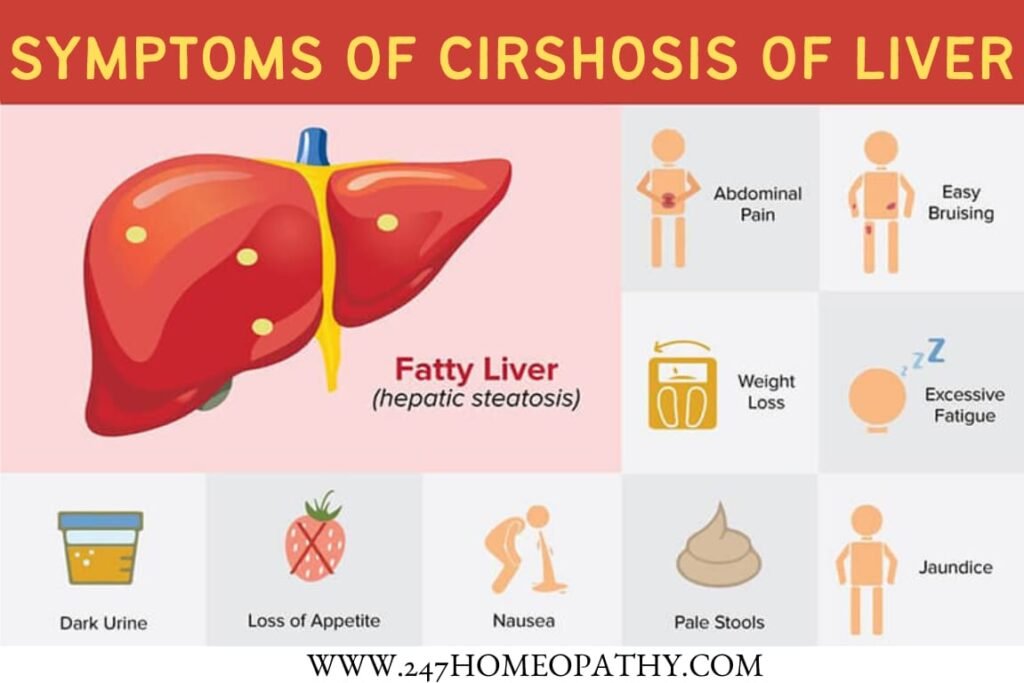
Cirrhosis may not cause noticeable symptoms during its early stages.
As liver function becomes impaired, symptoms may include:
- Fatigue or weakness
- Loss of appetite
- Nausea
- Unintentional weight loss
- Itchy skin
- Yellowing of the skin or whites of the eyes
- Swelling of the legs and feet
- Fluid accumulation in the abdomen (ascites)
- Easy bruising or bleeding
- Muscle loss
- Dark urine
- Pale stools
Physical signs may include:
Spider Angiomas
Small, visible blood vessels may develop on the skin and resemble a spider.
Palmar Erythema
The palms may become unusually red.
Enlarged Spleen
Portal hypertension can cause enlargement of the spleen.
Hormonal Changes
Advanced liver disease can affect hormone metabolism and may cause reproductive or sexual health changes in some people.
Hepatic Encephalopathy
Severe liver dysfunction can contribute to the accumulation of substances that affect brain function. Symptoms may include:
- Confusion
- Changes in concentration
- Excessive sleepiness
- Personality or behavior changes
- Slurred speech
- In severe cases, loss of consciousness
Complications of Cirrhosis
Advanced cirrhosis can lead to serious complications.
Portal Hypertension
Scarring can increase resistance to blood flow through the liver, causing increased pressure in the portal vein.
Ascites
Fluid can accumulate inside the abdomen and cause swelling and discomfort.
Esophageal or Gastric Varices
Portal hypertension can cause enlarged veins in the digestive tract. If these veins rupture, they can cause potentially life-threatening internal bleeding.
Hepatic Encephalopathy
Severe liver dysfunction can affect brain function and cause confusion or drowsiness.
Jaundice
Reduced liver function or impaired bile processing can cause yellowing of the skin and eyes.
Liver Cancer
Cirrhosis increases the risk of hepatocellular carcinoma, a primary type of liver cancer. People with cirrhosis may therefore need regular liver cancer surveillance according to their doctor’s recommendations.
Liver Failure
Advanced liver disease can eventually result in liver failure. In severe cases, liver transplantation may be considered.
Diagnosis of Liver Cirrhosis
Doctors use a combination of medical history, physical examination, blood tests and imaging to assess liver disease.
Blood Tests
Tests may include:
- AST and ALT
- Alkaline phosphatase
- Bilirubin
- Albumin
- Complete blood count
- Prothrombin time/INR
- Kidney function tests
- Tests for hepatitis B and C
- Additional tests based on the suspected cause
These tests help assess liver function and identify possible causes or complications.
Ultrasound
Abdominal ultrasound can provide information about the liver’s size and appearance, the spleen and the presence of ascites.
FibroScan
Transient elastography, commonly known as FibroScan, can estimate liver stiffness and help assess fibrosis without requiring a biopsy.
CT or MRI
Cross-sectional imaging may be recommended when more detailed information about the liver or complications is needed.
Liver Biopsy
A biopsy is not required for every person with suspected cirrhosis. In selected cases, a small liver tissue sample may help determine the cause or extent of liver disease.
When Should You Seek Medical Care?
Anyone with suspected chronic liver disease should receive appropriate medical evaluation.
Seek urgent medical care if a person with liver disease develops:
- Vomiting blood
- Black or tar-like stools
- Severe confusion or unusual drowsiness
- Sudden worsening abdominal swelling
- Severe abdominal pain
- Fever with abdominal pain or ascites
- Yellowing of the skin or eyes that is worsening rapidly
- Difficulty breathing
- Loss of consciousness
These can be signs of serious complications and should not be managed with home remedies alone.
Management and Treatment of Cirrhosis
Treatment depends on the cause and severity of cirrhosis.
Treat the Underlying Cause
Depending on the diagnosis, treatment may include:
- Antiviral medicines for certain viral hepatitis infections
- Complete avoidance of alcohol in alcohol-associated liver disease
- Weight management and metabolic risk reduction for fatty liver disease
- Treatment of autoimmune or cholestatic liver diseases
- Management of complications such as ascites, variceal bleeding and hepatic encephalopathy
Regular Medical Monitoring
People with cirrhosis may need regular monitoring for:
- Liver function
- Kidney function
- Portal hypertension
- Esophageal varices
- Liver cancer
- Nutritional problems
- Other complications
Advanced cirrhosis may require assessment by a hepatologist and, in appropriate cases, evaluation for liver transplantation.
Precautions and Lifestyle Tips
Lifestyle measures can support overall liver health and help reduce further injury.
- Avoid alcohol if you have cirrhosis.
- Maintain a healthy body weight.
- Follow a balanced, nutritious diet.
- Avoid crash diets and rapid weight loss.
- Limit excessive salt intake if your doctor has advised a low-sodium diet, particularly when ascites or fluid retention is present.
- Keep diabetes and blood glucose under appropriate control.
- Take medicines only as recommended by your healthcare professional.
- Do not start herbal or dietary supplements without discussing them with your doctor, as some can harm the liver.
- Ask your healthcare professional about appropriate vaccinations, including hepatitis A and B where indicated.
- Attend recommended liver cancer screening and follow-up appointments.
- Avoid sharing needles, razors or other items that may be contaminated with blood.
- Maintain regular physical activity as appropriate for your condition.
Homeopathic Treatment Approach at 247 Homeopathy
At 247 Homeopathy, Zirakpur, Dr. Ruchi takes an individualized approach when discussing homeopathic care for patients with chronic health concerns.
The consultation considers the patient’s symptoms, medical history, lifestyle and overall wellbeing. Emotional factors such as stress and anxiety may also be discussed as part of understanding the person’s overall health.
Important Medical Note
Cirrhosis involves permanent structural scarring of the liver, and there is currently insufficient reliable scientific evidence to claim that homeopathic medicines can reverse cirrhosis, remove liver fibrosis or restore damaged liver tissue.
For this reason, homeopathic care should not replace treatment from a qualified liver specialist or other medical professional.
Patients with cirrhosis should continue appropriate medical monitoring and treatment for the underlying liver disease. Homeopathic care may be discussed as a complementary approach when appropriate and when it does not interfere with necessary medical treatment.
Frequently Asked Questions About Liver Cirrhosis
What is cirrhosis of the liver?
Cirrhosis is advanced scarring of the liver caused by long-term liver injury. Scar tissue replaces healthy liver tissue and can gradually interfere with normal liver function.
What are the most common causes of cirrhosis?
Common causes include alcohol-associated liver disease, chronic hepatitis B or C, and metabolic dysfunction-associated steatotic liver disease (MASLD). Autoimmune, genetic and bile duct disorders can also cause cirrhosis.
Can cirrhosis be reversed?
Established cirrhosis generally represents permanent scarring. However, treating the underlying cause can sometimes slow or stop further damage, and some people may experience improvement in liver health depending on the cause and stage of disease.
What are the early symptoms of cirrhosis?
Early cirrhosis may cause no symptoms. When symptoms occur, they can include fatigue, weakness, reduced appetite, nausea, weight loss or itching.
Can cirrhosis cause a swollen abdomen?
Yes. Ascites, or accumulation of fluid in the abdomen, is a common complication of advanced cirrhosis.
Can cirrhosis cause jaundice?
Yes. Advanced liver dysfunction can cause yellowing of the skin and whites of the eyes.
Is cirrhosis always caused by alcohol?
No. Alcohol is one possible cause, but cirrhosis can also result from chronic viral hepatitis, fatty liver disease, autoimmune disorders, inherited conditions and diseases affecting bile flow.
Can a person live with cirrhosis?
Yes. The outlook varies greatly depending on the cause, stage, liver function and presence of complications. Early diagnosis and appropriate treatment can make an important difference.
Can diet cure cirrhosis?
There is no specific diet that cures established cirrhosis. However, appropriate nutrition and management of weight, diabetes and salt intake can be important parts of managing liver disease.
Is cirrhosis the same as fatty liver?
No. Fatty liver means excess fat has accumulated in the liver. Some people with fatty liver develop inflammation and fibrosis, which can eventually progress to cirrhosis, but not everyone with fatty liver develops cirrhosis.
Can homeopathy cure liver cirrhosis?
There is insufficient scientific evidence to claim that homeopathy can cure cirrhosis or reverse established liver scarring. It should not replace appropriate liver specialist care, monitoring or treatment.
Consult 247 Homeopathy in Zirakpur
If you have been diagnosed with liver cirrhosis or another chronic liver condition and would like to discuss complementary care, 247 Homeopathy, Zirakpur, provides individualized consultations with Dr. Ruchi.
Your symptoms, medical history, lifestyle and existing treatment can be discussed to determine whether complementary homeopathic care is appropriate.
Consult Dr. Ruchi at 247 Homeopathy, Zirakpur, for personalized guidance.
If you have cirrhosis with vomiting blood, black stools, severe confusion, worsening jaundice, severe abdominal swelling, fever or significant abdominal pain, seek urgent medical care rather than delaying evaluation.
Online consultation may also be available for patients who cannot visit the clinic in person.


