CERVICAL CANCER

Cervical Cancer

Introduction

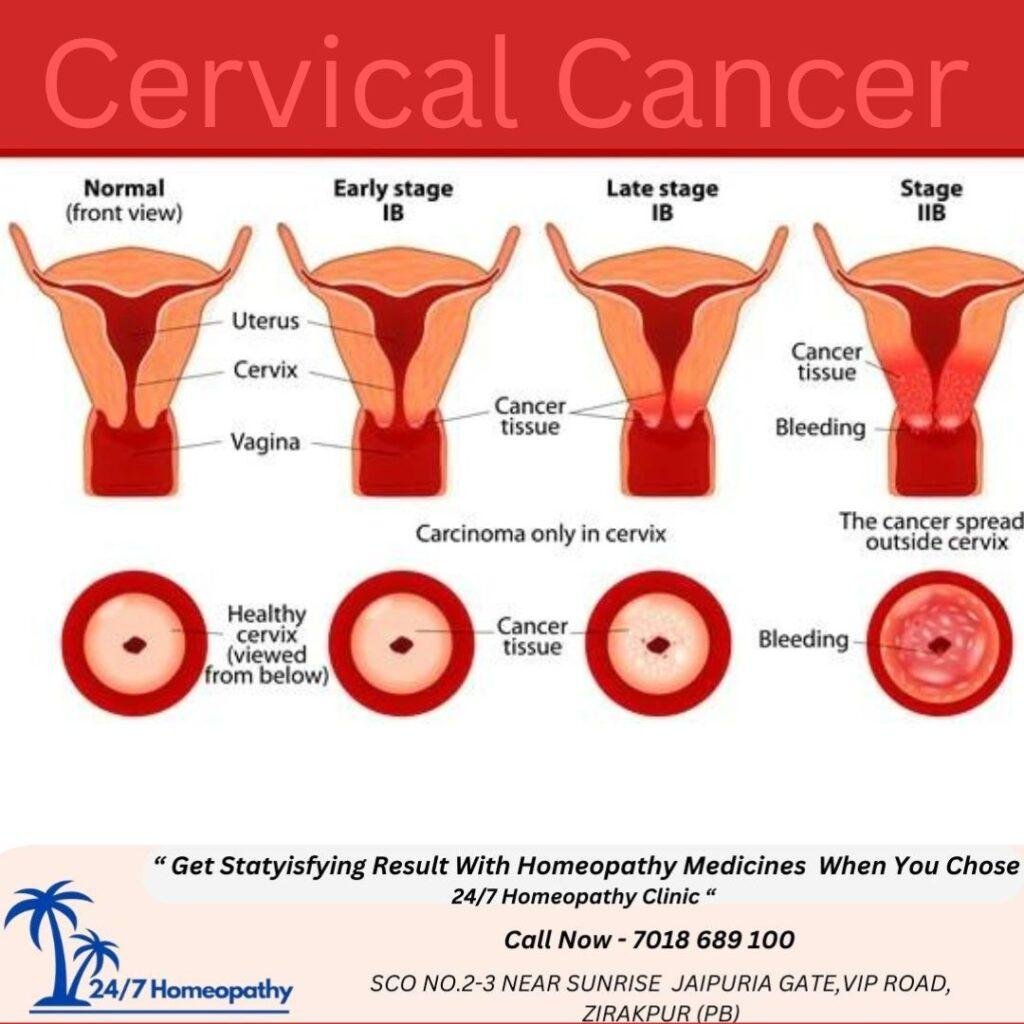
Cervical cancer is a cancer that develops in the cervix, the lower part of the uterus that connects the uterus to the vagina.

It occurs when cells lining the cervix become abnormal and malignant and begin to grow uncontrollably. Cervical cancer is more commonly seen in women over the age of 30.

Early evaluation of unusual vaginal bleeding, abnormal vaginal discharge or pelvic pain is important because these symptoms can have several causes and should not be ignored.

What is Cervical Cancer?

The cervix forms the lower portion of the uterus and connects it with the vagina.

When cells of the cervix undergo abnormal changes and develop uncontrolled growth, cervical cancer can occur.

One of the major causes associated with cervical cancer is persistent infection with Human Papillomavirus (HPV). HPV is a virus that can be transmitted through sexual contact. Long-lasting HPV infection can cause changes in the DNA of cervical cells, and these abnormal changes may eventually lead to cancer.

Causes and Risk Factors of Cervical Cancer

Cervical cancer is commonly associated with persistent HPV infection.
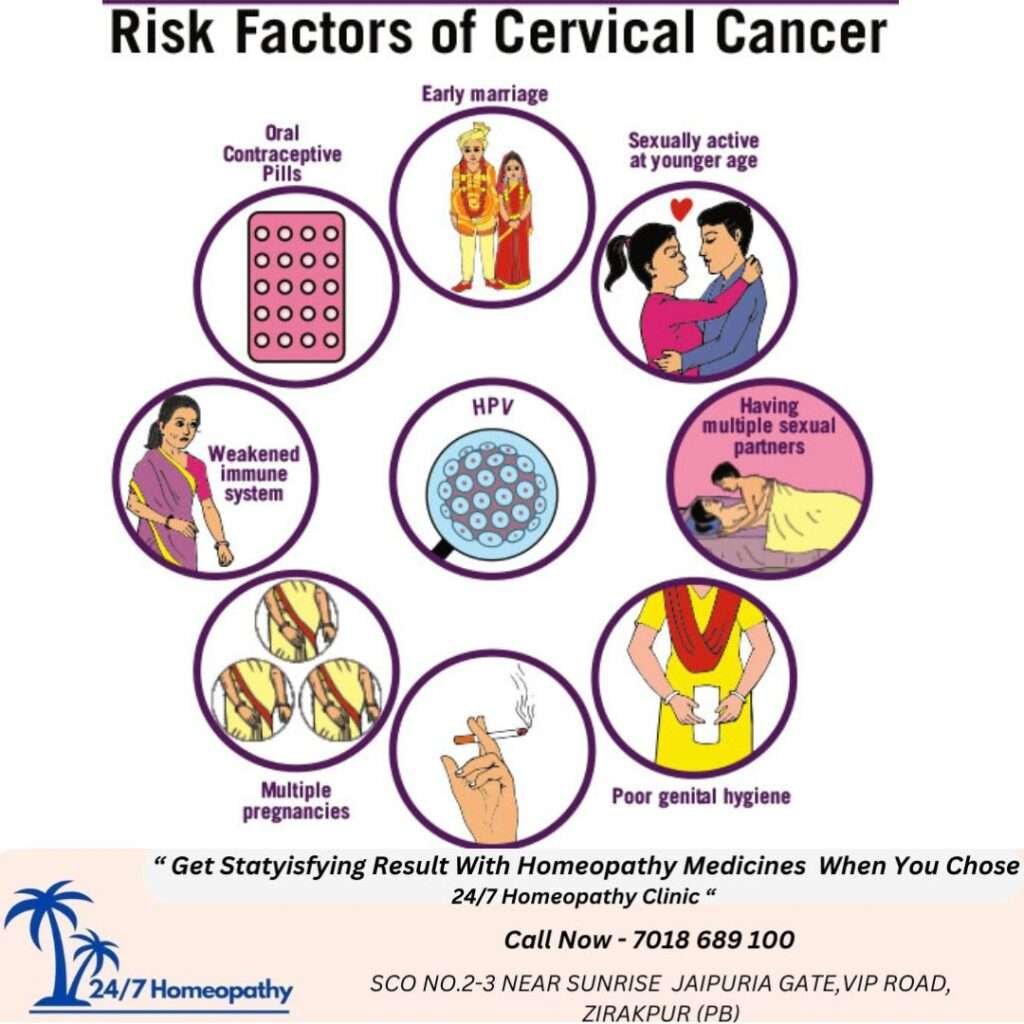
The risk factors mentioned in Dr. Ruchi’s provided information include:

  1. Age above 30 years
  2. Having multiple sexual partners
  3. Unprotected sexual contact
  4. Poor genital hygiene
  5. Smoking
  6. Long-term use of birth control pills

Having a risk factor does not mean that a woman will definitely develop cervical cancer. Persistent HPV infection is an important factor associated with cervical cancer.

Symptoms of Cervical Cancer

Cervical cancer may cause different symptoms depending on the stage and whether the cancer has spread to nearby tissues or organs.

Common Symptoms

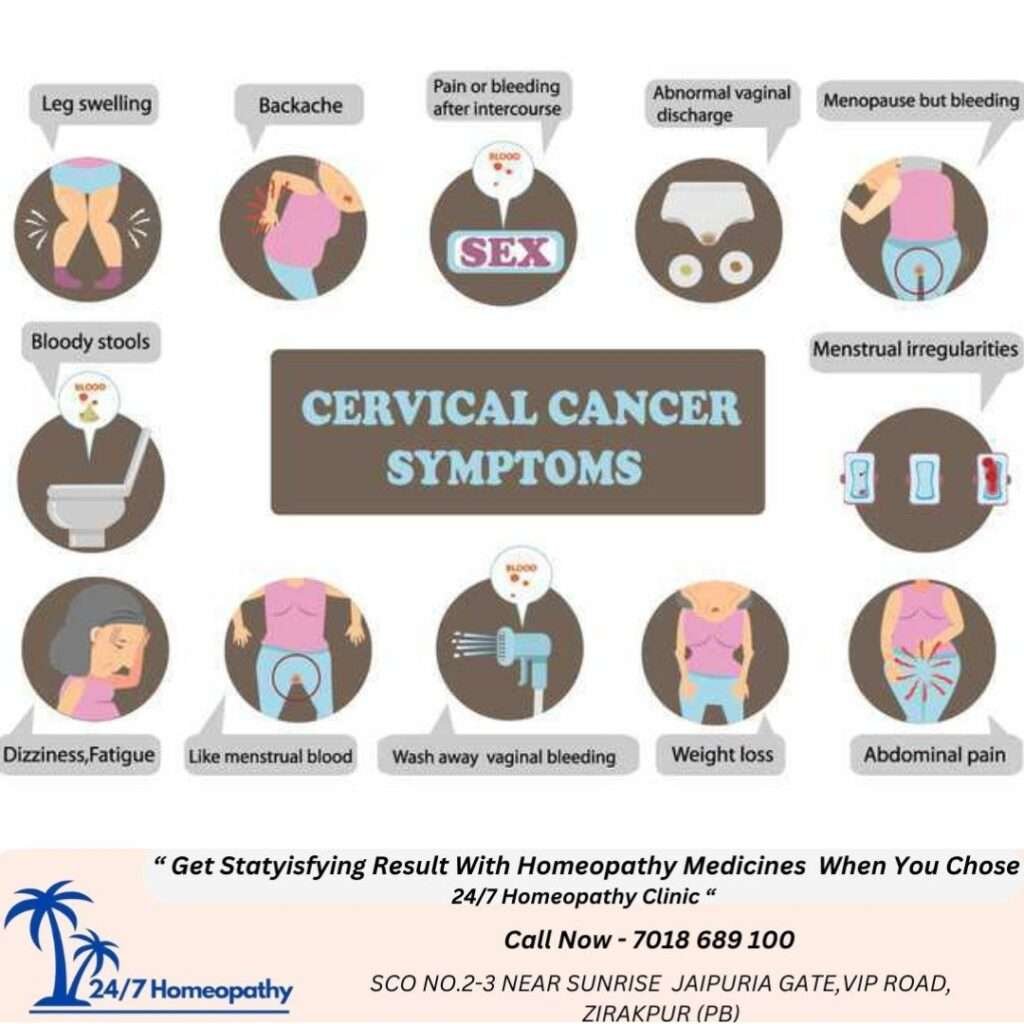
The symptoms mentioned in the provided information include:

  • Watery, bloody or foul-smelling vaginal discharge
  • Pelvic pain
  • Pain during sexual intercourse
  • Vaginal bleeding after intercourse
  • Bleeding between menstrual periods
  • Vaginal bleeding after menopause
  • Heavier menstrual bleeding than usual
  • Menstrual periods that last longer than usual

Unusual vaginal bleeding should be medically evaluated, particularly bleeding after intercourse or after menopause.

Symptoms When Cancer Spreads

If cervical cancer spreads to nearby organs or other areas, additional symptoms may occur, including:

  • Abdominal pain
  • Diarrhea
  • Blood in the stool
  • Backache
  • Fever
  • Weakness
  • Unexplained weight loss
  • Loss of appetite
  • Painful urination
  • Blood in the urine

These symptoms do not necessarily mean that a person has cervical cancer. They can occur with other medical conditions as well, so proper evaluation is important.

Diagnosis of Cervical Cancer

Several tests may be used when cervical cancer is suspected or when abnormal cervical changes need further evaluation.

1. Pap Smear Test

A Pap smear is used to examine cervical cells for abnormal changes.

2. HPV Test

An HPV test can help detect infection with high-risk types of Human Papillomavirus that are associated with cervical cell changes.

3. Biopsy

A biopsy involves taking a sample of tissue from the cervix for examination. It can help confirm whether cancerous cells are present.

4. Blood and Urine Tests

The provided information includes:

  • Complete blood count (CBC)
  • Liver function tests
  • Kidney function tests
  • Urine test

These tests can help assess general health and may be used as part of the medical evaluation.

5. Imaging Tests

Depending on the clinical situation, investigations mentioned in the provided information may include:

  • Ultrasound
  • CT scan
  • X-ray

The specific tests required depend on the patient’s symptoms, examination findings and medical assessment.
Precautions and Prevention of Cervical Cancer

The following preventive and lifestyle measures are included in the information provided by Dr. Ruchi:

  • Quit smoking.
  • Avoid or limit alcohol consumption.
  • Maintain good personal and genital hygiene.
  • Practice safer sex.
  • Use condoms or other appropriate barrier methods during sexual intercourse.
  • Discuss HPV vaccination with a qualified healthcare professional.
  • Maintain a healthy lifestyle.
  • Follow recommended cervical screening.
  • Discuss long-term use of hormonal birth control with your doctor.

HPV vaccination and regular cervical screening can play an important role in reducing the risk of cervical cancer and detecting cervical abnormalities early.

Homeopathic Treatment Approach for Cervical Cancer

At 247 Homeopathy, the homeopathic approach is considered according to the individual’s symptoms, health history and overall presentation.

The remedies mentioned in Dr. Ruchi’s original notes include Carbo Animalis, Kreosotum and Hydrastis Canadensis.

Carbo Animalis

The provided notes mention:

  1. Menstruation occurring too early, being frequent or lasting for a long time
  2. Great exhaustion after menstruation
  3. Painful indurations or hard areas in the breast
  4. Cancerous conditions involving the uterus or cervix
  5. Burning sensation in the vagina and cervix
  6. Pain in the coccyx and backache

Kreosotum

The provided notes mention:

  1. Corrosive itching of the vulva
  2. Burning and swelling of the labia
  3. Yellowish, acrid vaginal discharge with an offensive odor, worse between periods
  4. Bleeding after sexual intercourse
  5. Menstruation occurring too early and lasting longer than usual
  6. Dragging backache extending toward the genitals and down the thighs
  7. Marked weakness or debility

Hydrastis Canadensis

The provided notes mention:

  1. Erosion and excoriation of the cervix
  2. Acrid, corroding, shreddy and tenacious vaginal discharge, worse after menstruation
  3. Profuse vaginal discharge
  4. Dull, heavy dragging pain and stiffness, particularly across the lumbar region
  5. Emaciation and marked weakness

Important Medical Note

Cervical cancer is a serious condition that requires appropriate medical diagnosis, staging and treatment by qualified healthcare professionals.

The remedies listed above represent the homeopathic treatment information provided by Dr. Ruchi. They should not be presented as a replacement for gynecological or oncology treatment.

Patients diagnosed with cervical cancer should continue appropriate medical follow-up and should not stop, reduce or change prescribed cancer treatment without discussing it with their treating doctor.

Homeopathic care, if chosen, should be considered complementary care and discussed with the treating medical team.

Frequently Asked Questions

What is cervical cancer?

Cervical cancer is a cancer that develops in the cells of the cervix, which is the lower part of the uterus connecting to the vagina.

What is the main cause of cervical cancer?

Persistent infection with certain types of Human Papillomavirus (HPV) is a major factor associated with cervical cancer. Long-lasting HPV infection can cause abnormal changes in cervical cells.

What are the common symptoms of cervical cancer?

Symptoms may include unusual vaginal discharge, bleeding after intercourse, bleeding between periods or after menopause, heavier or prolonged periods, pelvic pain and pain during intercourse.

Can cervical cancer cause bleeding after intercourse?

Yes. Bleeding after sexual intercourse can occur with cervical cancer, although it can also have other causes. Persistent or unexplained bleeding should be evaluated by a gynecologist.

How is cervical cancer diagnosed?

Evaluation may include a Pap smear, HPV testing, biopsy, blood and urine tests, and imaging investigations such as ultrasound, CT scan or X-ray when clinically required.

Can cervical cancer be prevented?

The risk can be reduced through HPV vaccination, recommended cervical screening, safer sexual practices, avoiding smoking and maintaining a healthy lifestyle.

What is the role of the HPV vaccine?

The HPV vaccine helps protect against HPV types associated with several cancers, including cervical cancer. The appropriate age and vaccination schedule should be discussed with a qualified healthcare professional.

When should I see a doctor?

Seek medical evaluation for unusual vaginal bleeding, bleeding after intercourse, bleeding after menopause, persistent pelvic pain, unusual vaginal discharge or significant changes in menstrual bleeding.

Can homeopathy replace cervical cancer treatment?

No. Homeopathy should not replace appropriate gynecological or oncology treatment. Patients diagnosed with cervical cancer should continue their recommended medical care and discuss any complementary treatment with their treating doctor.

Consultation at 247 Homeopathy, Zirakpur

If you are looking for a homeopathic consultation for cervical health concerns, 247 Homeopathy with Dr. Ruchi in Zirakpur, Punjab, provides individualized consultations based on the patient’s symptoms and health history.

During a consultation, patients can discuss their symptoms, previous reports, ongoing treatment and other health concerns.

For patients diagnosed with cervical cancer, regular follow-up with the appropriate gynecologist or oncology team remains important. Any complementary homeopathic approach should be discussed with the treating medical team.

Contact 247 Homeopathy in Zirakpur to discuss your individual health concerns with Dr. Ruchi.s

CERVICAL CANCER risk factor and HOMOEOPATHIC TREATMENT

Symptoms of Cervical Cancer

Cervical cancer may cause different symptoms depending on the stage and whether the cancer has spread to nearby tissues or organs.

Common Symptoms

The symptoms mentioned in the provided information include:

  • Watery, bloody or foul-smelling vaginal discharge
  • Pelvic pain
  • Pain during sexual intercourse
  • Vaginal bleeding after intercourse
  • Bleeding between menstrual periods
  • Vaginal bleeding after menopause
  • Heavier menstrual bleeding than usual
  • Menstrual periods that last longer than usual

Unusual vaginal bleeding should be medically evaluated, particularly bleeding after intercourse or after menopause.

Symptoms When Cancer Spreads

If cervical cancer spreads to nearby organs or other areas, additional symptoms may occur, including:

  • Abdominal pain
  • Diarrhea
  • Blood in the stool
  • Backache
  • Fever
  • Weakness
  • Unexplained weight loss
  • Loss of appetite
  • Painful urination
  • Blood in the urine

These symptoms do not necessarily mean that a person has cervical cancer. They can occur with other medical conditions as well, so proper evaluation is important.

CERVICAL CANCER symptom and HOMOEOPATHIC TREATMENT

Diagnosis of Cervical Cancer

Several tests may be used when cervical cancer is suspected or when abnormal cervical changes need further evaluation.

1. Pap Smear Test

A Pap smear is used to examine cervical cells for abnormal changes.

2. HPV Test

An HPV test can help detect infection with high-risk types of Human Papillomavirus that are associated with cervical cell changes.

3. Biopsy

A biopsy involves taking a sample of tissue from the cervix for examination. It can help confirm whether cancerous cells are present.

4. Blood and Urine Tests

The provided information includes:

  • Complete blood count (CBC)
  • Liver function tests
  • Kidney function tests
  • Urine test

These tests can help assess general health and may be used as part of the medical evaluation.

5. Imaging Tests

Depending on the clinical situation, investigations mentioned in the provided information may include:

  • Ultrasound
  • CT scan
  • X-ray

The specific tests required depend on the patient’s symptoms, examination findings and medical assessment.

CERVICAL CANCER HOMOEOPATHIC TREATMENT

Precautions and Prevention of Cervical Cancer

The following preventive and lifestyle measures are included in the information provided by Dr. Ruchi:

  • Quit smoking.
  • Avoid or limit alcohol consumption.
  • Maintain good personal and genital hygiene.
  • Practice safer sex.
  • Use condoms or other appropriate barrier methods during sexual intercourse.
  • Discuss HPV vaccination with a qualified healthcare professional.
  • Maintain a healthy lifestyle.
  • Follow recommended cervical screening.
  • Discuss long-term use of hormonal birth control with your doctor.

HPV vaccination and regular cervical screening can play an important role in reducing the risk of cervical cancer and detecting cervical abnormalities early.

Homeopathic Treatment Approach for Cervical Cancer

At 247 Homeopathy, the homeopathic approach is considered according to the individual’s symptoms, health history and overall presentation.

The remedies mentioned in Dr. Ruchi’s original notes include Carbo Animalis, Kreosotum and Hydrastis Canadensis.

Carbo Animalis

The provided notes mention:

  1. Menstruation occurring too early, being frequent or lasting for a long time
  2. Great exhaustion after menstruation
  3. Painful indurations or hard areas in the breast
  4. Cancerous conditions involving the uterus or cervix
  5. Burning sensation in the vagina and cervix
  6. Pain in the coccyx and backache

Kreosotum

The provided notes mention:

  1. Corrosive itching of the vulva
  2. Burning and swelling of the labia
  3. Yellowish, acrid vaginal discharge with an offensive odor, worse between periods
  4. Bleeding after sexual intercourse
  5. Menstruation occurring too early and lasting longer than usual
  6. Dragging backache extending toward the genitals and down the thighs
  7. Marked weakness or debility

Hydrastis Canadensis

The provided notes mention:

  1. Erosion and excoriation of the cervix
  2. Acrid, corroding, shreddy and tenacious vaginal discharge, worse after menstruation
  3. Profuse vaginal discharge
  4. Dull, heavy dragging pain and stiffness, particularly across the lumbar region
  5. Emaciation and marked weakness

Important Medical Note

Cervical cancer is a serious condition that requires appropriate medical diagnosis, staging and treatment by qualified healthcare professionals.

The remedies listed above represent the homeopathic treatment information provided by Dr. Ruchi. They should not be presented as a replacement for gynecological or oncology treatment.

Patients diagnosed with cervical cancer should continue appropriate medical follow-up and should not stop, reduce or change prescribed cancer treatment without discussing it with their treating doctor.

Homeopathic care, if chosen, should be considered complementary care and discussed with the treating medical team.

Frequently Asked Questions

What is cervical cancer?

Cervical cancer is a cancer that develops in the cells of the cervix, which is the lower part of the uterus connecting to the vagina.

What is the main cause of cervical cancer?

Persistent infection with certain types of Human Papillomavirus (HPV) is a major factor associated with cervical cancer. Long-lasting HPV infection can cause abnormal changes in cervical cells.

What are the common symptoms of cervical cancer?

Symptoms may include unusual vaginal discharge, bleeding after intercourse, bleeding between periods or after menopause, heavier or prolonged periods, pelvic pain and pain during intercourse.

Can cervical cancer cause bleeding after intercourse?

Yes. Bleeding after sexual intercourse can occur with cervical cancer, although it can also have other causes. Persistent or unexplained bleeding should be evaluated by a gynecologist.

How is cervical cancer diagnosed?

Evaluation may include a Pap smear, HPV testing, biopsy, blood and urine tests, and imaging investigations such as ultrasound, CT scan or X-ray when clinically required.

Can cervical cancer be prevented?

The risk can be reduced through HPV vaccination, recommended cervical screening, safer sexual practices, avoiding smoking and maintaining a healthy lifestyle.

What is the role of the HPV vaccine?

The HPV vaccine helps protect against HPV types associated with several cancers, including cervical cancer. The appropriate age and vaccination schedule should be discussed with a qualified healthcare professional.

When should I see a doctor?

Seek medical evaluation for unusual vaginal bleeding, bleeding after intercourse, bleeding after menopause, persistent pelvic pain, unusual vaginal discharge or significant changes in menstrual bleeding.

Can homeopathy replace cervical cancer treatment?

No. Homeopathy should not replace appropriate gynecological or oncology treatment. Patients diagnosed with cervical cancer should continue their recommended medical care and discuss any complementary treatment with their treating doctor.

Consultation at 247 Homeopathy, Zirakpur

If you are looking for a homeopathic consultation for cervical health concerns, 247 Homeopathy with Dr. Ruchi in Zirakpur, Punjab, provides individualized consultations based on the patient’s symptoms and health history.

During a consultation, patients can discuss their symptoms, previous reports, ongoing treatment and other health concerns.

For patients diagnosed with cervical cancer, regular follow-up with the appropriate gynecologist or oncology team remains important. Any complementary homeopathic approach should be discussed with the treating medical team.

Leave a Reply

Your email address will not be published. Required fields are marked *