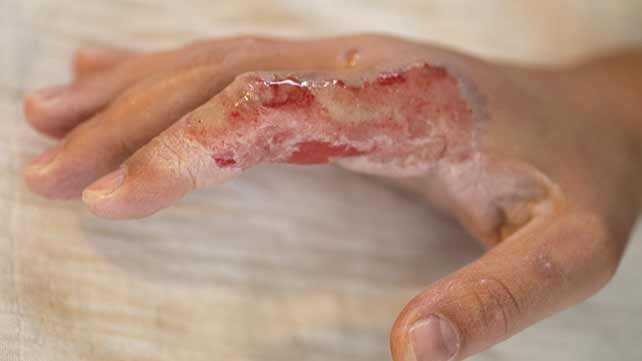
Burns With Homoeopathic Management
A burn is an injury to the skin or deeper tissues caused by heat, flames, hot liquids, steam, chemicals, electricity, radiation or excessive exposure to sunlight.
Burns can range from a minor superficial injury to a serious and potentially life-threatening emergency. The severity depends on factors such as the depth of the burn, the size of the affected area, the location of the injury and the cause.
Minor burns may require simple first aid and monitoring, while deeper or extensive burns need prompt medical attention.
What Are Burns?
A burn occurs when the skin or underlying tissue is damaged by a harmful source of heat, chemicals, electricity, radiation or another damaging agent.
The skin normally protects the body from infection and helps regulate body temperature and fluid balance. Significant burns can damage this protective barrier and may result in fluid loss, infection and other complications.
Causes of Burns
Common causes of burns include:
- Fire or flames
- Hot liquids and steam
- Hot metals or heated objects
- Excessive exposure to sunlight
- Electrical current or high-voltage electrical shock
- Chemical exposure
- Radiation
- Contact with very hot surfaces
Children are particularly vulnerable to burns from hot liquids, cooking equipment and household chemicals.
Types of Burns
Burns can be classified according to how deeply they damage the skin.
First-Degree or Superficial Burns
A superficial burn affects the outermost layer of the skin.
Common features include:
- Redness
- Pain or tenderness
- Mild swelling
- Increased sensitivity of the affected area
Sunburn is a common example of a superficial burn.
Second-Degree or Partial-Thickness Burns
A second-degree burn affects the outer layer of the skin and part of the underlying dermis.
Symptoms may include:
- Red or swollen skin
- Significant pain
- Blisters
- Moist or weeping skin
- White or patchy areas in deeper burns
Some deeper burns can result in permanent scarring.
Third-Degree or Full-Thickness Burns
A third-degree burn extends through the full thickness of the skin and may involve deeper tissues.
The affected skin can appear:
- White
- Brown
- Black or charred
- Leathery
Severe burns may sometimes cause less pain in the centre of the injury because nerve endings have been damaged.
Third-degree burns require urgent medical evaluation.
Symptoms of Burns
Burn symptoms depend on the depth and cause of the injury.
Possible symptoms include:
- Redness
- Pain or burning sensation
- Swelling
- Blisters
- Changes in skin colour
- Peeling or damaged skin
- Wet or oozing skin
- Numbness in severe burns
- Blackened or charred skin in deep burns
Burn Complications
Minor burns often heal without serious complications. More severe burns can cause significant problems.
Possible complications include:
Infection
Damage to the skin can allow bacteria to enter the body and may lead to infection. Severe infection can become life-threatening.
Fluid Loss
Large or deep burns can cause substantial loss of body fluids, which may result in low blood volume and circulation problems.
Hypothermia
Extensive burns can interfere with the body’s ability to maintain normal temperature, particularly when large areas of skin are damaged.
Scarring
Deep burns may heal with permanent scars or changes in the appearance and movement of the affected skin.
Other Complications
Severe burns can affect breathing, circulation and other organs, particularly when they are extensive or caused by fire or smoke exposure.
What To Do Immediately After a Burn
For a minor thermal burn:
- Move away from the source of heat.
- Cool the affected area under cool running water for about 20 minutes as soon as possible.
- Remove jewellery, watches or tight items near the injured area before swelling develops, if they are not stuck to the skin.
- Cover the burn loosely with a clean, non-stick dressing or clean cloth.
- Seek medical advice if the burn is significant or you are unsure about its severity.
Avoid These Common Mistakes
- Do not apply ice directly to the burn.
- Do not apply butter, oil or household substances to the wound.
- Do not intentionally break blisters.
- Do not pull away clothing that is stuck to burned skin.
- Do not delay medical care for a serious burn in an attempt to manage it at home.
When Is a Burn an Emergency?
Seek urgent medical attention for:
- Third-degree or deep burns
- Large or extensive burns
- Electrical burns
- Chemical burns
- Burns involving the face, eyes, hands, feet, genitals or major joints
- Burns around the chest or neck
- Burns associated with difficulty breathing
- Burns caused by fire or smoke inhalation
- Significant burns in young children or older adults
- Signs of infection such as increasing redness, swelling, pus or fever
Electrical and chemical burns can cause deeper tissue damage even when the skin initially looks less severely affected.
Prevention of Burns
Many household and workplace burns can be prevented with simple precautions.
- Keep hot liquids away from children.
- Keep children away from cooking areas and hot appliances.
- Use protective covers around electrical outlets where appropriate.
- Keep chemicals safely stored and out of children’s reach.
- Follow safety instructions when handling chemicals.
- Use appropriate protective equipment in workplaces involving heat or chemicals.
- Install and maintain smoke detectors.
- Avoid unnecessary exposure to intense sunlight and use appropriate sun protection.
- Keep hot objects and heated metals away from children and pets.
Homeopathic Management for Burns
At 247 Homeopathy, Dr. Ruchi may consider an individual’s symptoms and overall health when discussing homeopathic care.
The following medicines are retained from the doctor’s original notes and are presented as traditional homeopathic indications. They should not be considered substitutes for appropriate burn first aid, wound care or emergency treatment.
Cantharis
The doctor’s notes traditionally associate Cantharis with:
- Burning pain following a burn
- Intense burning sensations
- Pain associated with superficial or partial-thickness burns
Important: Cantharis should not be relied upon to prevent blister formation or replace appropriate medical treatment for a burn.
Urtica Urens
The original notes associate Urtica urens with:
- Superficial burns
- Burning and stinging sensations
- Redness and swelling of the affected area
Causticum
The doctor’s notes describe Causticum in relation to:
- Burning sensations
- Soreness and pain
- Complaints associated with older burn injuries
Sulphur
Sulphur is traditionally associated in homeopathic practice with prominent burning sensations.
Calendula
The doctor’s notes associate Calendula with:
- Burns associated with damaged or lacerated skin
- Soreness of the affected area
- Traditional use in situations where there is concern about wound healing
However, Calendula should not be considered a substitute for professional wound assessment, infection prevention or treatment.
Important Safety Note
Homeopathic medicines should not be used instead of appropriate medical treatment for serious burns. Deep, extensive, electrical, chemical or infected burns require professional medical care.
For a significant burn, the priority is proper first aid, assessment of burn depth and size, wound care, pain management, infection prevention and other treatment recommended by a qualified healthcare professional.
Frequently Asked Questions About Burns
What is the difference between first-, second- and third-degree burns?
First-degree burns affect the outermost layer of skin. Second-degree burns extend into the dermis and commonly cause blisters. Third-degree burns involve the full thickness of the skin and can damage deeper tissues.
What is the first thing to do after a minor burn?
Cool the affected area with cool running water for about 20 minutes. Avoid ice and household substances such as butter or oil.
Should I put ice on a burn?
No. Direct application of ice can further damage injured skin. Cool running water is preferred for initial cooling.
Should burn blisters be popped?
It is generally best not to intentionally break burn blisters because the overlying skin provides a protective barrier.
Can burns become infected?
Yes. Damaged skin can allow bacteria to enter and cause an infection. Increasing redness, swelling, pus, worsening pain or fever should be medically assessed.
Can a severe burn be treated at home?
Severe burns should not be managed solely at home. Deep, extensive, electrical, chemical or burns involving sensitive areas require prompt professional medical assessment.
Can homeopathy cure a burn?
Homeopathy should not be presented as a cure for burns or as a replacement for medical burn care. It may be discussed as a complementary approach, but appropriate first aid and medical treatment remain essential.
Can burns leave scars?
Yes. Superficial burns may heal without significant scarring, while deeper burns can cause permanent scars and changes in skin texture or movement.
Consultation at 247 Homeopathy, Zirakpur
If you are seeking a homeopathic consultation in Zirakpur, 247 Homeopathy with Dr. Ruchi can discuss your symptoms and overall health and explain whether complementary homeopathic care is appropriate for your situation.
For a recent significant burn, however, do not delay emergency or medical treatment while seeking a homeopathic consultation.
Bring relevant medical records or details of previous treatment when available.
247 Homeopathy – Dr. Ruchi
Location: Zirakpur, Punjab
Consultation: In-clinic and online options may be available.
For serious, deep, extensive, chemical or electrical burns, seek appropriate medical care immediately.


