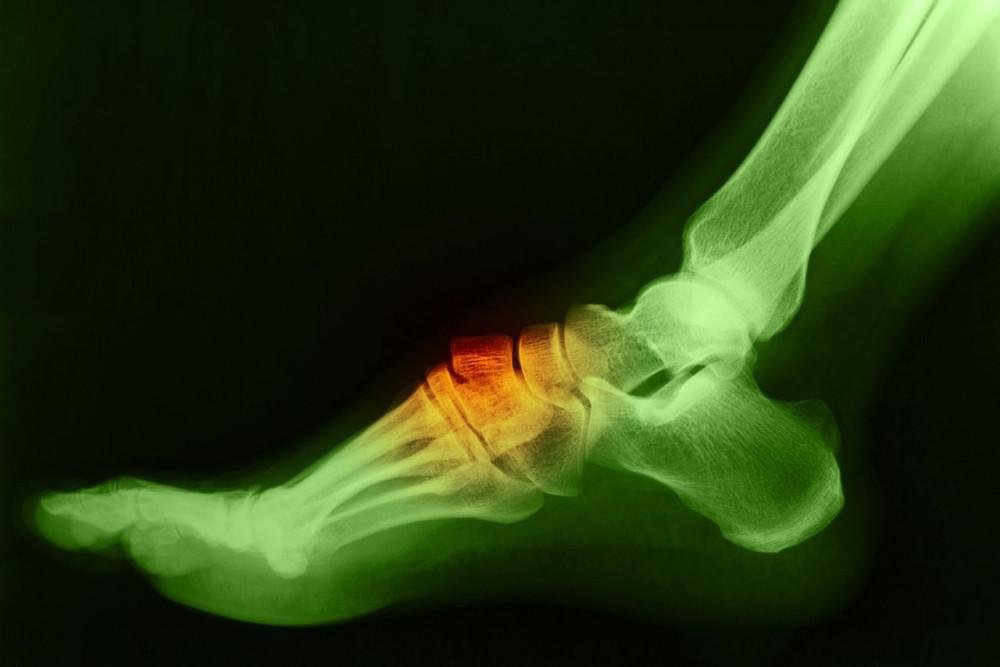
Bunion Or Bony Bumps
A bunion is a bony prominence that develops near the joint at the base of the big toe. It occurs when the big toe gradually moves toward the smaller toes while the joint at the base of the toe becomes more prominent.
The medical term commonly used for this deformity is hallux valgus.
A bunion usually develops gradually rather than appearing suddenly. Some people have a visible bump without significant symptoms, while others experience pain, redness, swelling, stiffness or difficulty wearing shoes.
What Is a Bunion?
A bunion develops when the alignment of the big toe and the first metatarsal bone changes. Over time, the joint may become more prominent and the big toe may angle toward the other toes.
Bunions most commonly affect the big toe. A similar bony prominence can sometimes develop near the little toe, which is known as a bunionette or tailor’s bunion.
Bunions can progress over time, particularly when the foot continues to experience pressure or an underlying foot-structure problem is present.
Causes and Risk Factors of Bunions
The exact reason why a bunion develops can vary from person to person. Several factors may contribute to its development or progression.
Inherited Foot Structure
Some people inherit a particular foot shape or structure that makes them more susceptible to developing bunions.
Genetics
A family history of bunions or certain foot abnormalities may increase the likelihood of developing the condition.
Foot Stress or Previous Injury
Repeated stress or an injury involving the foot may contribute to changes in joint alignment.
Abnormal Joint Anatomy
The structure and alignment of the metatarsophalangeal joint can influence the development of a bunion.
Footwear
Tight, narrow or poorly fitting shoes can place additional pressure on the big toe. Regular use of high-heeled shoes can also increase pressure toward the front of the foot and may worsen symptoms.
Other Joint Conditions
Conditions such as rheumatoid arthritis and gout can affect the joints and may contribute to foot deformities.
Neuromuscular Conditions
Certain neuromuscular disorders can affect foot function and may increase the risk of abnormal joint positioning.
Bunion Symptoms
Not everyone with a bunion has symptoms. When symptoms occur, they may include:
- A visible bump at the base of the big toe
- Pain or tenderness around the affected joint
- Redness and inflammation
- Swelling around the joint
- Stiffness of the big toe
- Difficulty moving the toe
- Pain or discomfort while wearing shoes
- Thickened or irritated skin around the bunion
- A fluid-filled swelling called a bursa
- Pain in nearby areas of the foot
- Increasing difficulty finding comfortable footwear
In some people, the deformity gradually becomes more noticeable over time.
Bunion Complications
A bunion may sometimes contribute to other foot problems, particularly when it becomes severe or continues to progress.
Possible complications include:
Bursitis
Pressure and irritation around the joint may cause inflammation of a fluid-filled sac called a bursa.
Hammertoe
Changes in the position of the big toe can affect the alignment of nearby toes and may contribute to deformities such as hammertoe.
Metatarsalgia
Abnormal pressure distribution across the front of the foot can contribute to pain and inflammation in the metatarsal region.
Joint Problems
Long-standing changes in the big toe joint may contribute to stiffness and degenerative joint changes in some people.
Who Is More Likely to Develop Bunions?
Bunions may be more common in women, although they can affect anyone.
Risk may be higher in people who:
- Have a family history of bunions
- Have an inherited foot-structure abnormality
- Frequently wear narrow or tight footwear
- Regularly wear high heels
- Have rheumatoid arthritis or gout
- Have certain neuromuscular conditions
- Have experienced previous foot injury
Diagnosis of a Bunion
A healthcare professional can usually identify a bunion through examination of the foot and assessment of the toe’s alignment.
Depending on the symptoms and severity, an X-ray may be recommended to evaluate the bones and joint alignment and to assess whether arthritis or another structural problem is present.
If the bump is painful, rapidly changing or associated with significant swelling, professional evaluation is important because not every lump around the foot is a bunion.
Precautions and Lifestyle Tips
The following measures may help reduce pressure on the affected joint and improve comfort:
- Choose shoes with enough room around the toes.
- Avoid shoes that squeeze the big toe toward the other toes.
- Limit prolonged use of high heels if they increase discomfort.
- Use comfortable, supportive footwear.
- Avoid activities that repeatedly aggravate the affected area.
- Maintain a healthy body weight to reduce excessive load on the feet.
- Seek professional advice if pain persists or the deformity continues to progress.
- Do not attempt to forcefully straighten the toe yourself.
If pain is severe or walking becomes difficult, consult a qualified healthcare professional for assessment.
Homeopathic Management for Bunions
At 247 Homeopathy, Dr. Ruchi considers the patient’s symptoms, pain pattern, affected area, general health and individual presentation before selecting a homeopathic medicine.
The following remedies are retained from the doctor’s original notes. Their descriptions represent traditional homeopathic indications and should not be interpreted as evidence that homeopathy can correct the structural deformity of a bunion.
Benzoic Acid
The doctor’s notes associate Benzoic Acid with:
- Tearing or stitching pain
- Rheumatic or gouty nodules
- Painful gouty deposits
- Swelling associated with bony or joint areas
- Tearing pain in the great toes
Silicea
The original notes describe Silicea in relation to:
- Soreness of the great toe and sole
- Pain around the affected toe
- A sensation of suppuration or sensitivity at the tip of the toe
Hypericum
The doctor’s notes associate Hypericum with:
- Pain in the great toe and fingers
- Tingling, burning or numbness
- Bruised sensations around joints
- Neuralgic or nerve-related pain
- Lancinating or darting pain
Rhus Toxicodendron
Rhus Toxicodendron is traditionally considered in homeopathic practice when symptoms include:
- Joint stiffness
- Swelling
- Redness and inflammation
- Bruised or lame sensations
- Stiffness associated with the affected area
Ruta
The doctor’s notes describe Ruta in relation to:
- Swelling around the bunion
- Stiffness
- Inflammation
- Swelling of adjacent areas
- Joint discomfort
Important Note About Bunion Treatment
A bunion is a structural change in the alignment of the foot, so homeopathy should not be presented as a guaranteed method of reversing the deformity.
If the bunion is painful, worsening, affecting walking or causing recurrent inflammation, an assessment by an orthopaedic specialist, podiatrist or other qualified healthcare professional may be appropriate. Conservative measures can sometimes help manage symptoms, while severe deformities may require specialist treatment.
Frequently Asked Questions About Bunions
What is a bunion?
A bunion is a bony prominence that develops near the base of the big toe, usually accompanied by gradual changes in the alignment of the big toe.
What causes bunions?
Bunions can be associated with inherited foot structure, genetics, joint abnormalities, repeated foot stress, previous injury and footwear that places excessive pressure on the front of the foot.
Are bunions caused only by wearing high heels?
No. High heels and narrow shoes can increase pressure on the front of the foot and may worsen a bunion, but bunions can also develop because of inherited foot structure, genetics and other medical conditions.
Are bunions painful?
Some bunions cause no pain. Others can cause tenderness, swelling, redness, stiffness and difficulty wearing shoes.
Can a bunion go away on its own?
A structural bunion generally does not disappear on its own. However, appropriate footwear and other conservative measures may help reduce pressure and symptoms.
Can bunions become worse over time?
Yes. Bunions can gradually become more prominent, particularly when pressure on the affected joint continues.
Can homeopathy cure or remove a bunion?
Homeopathy should not be described as a guaranteed cure or as a way to reverse the structural deformity. It may be considered as a complementary approach for individual symptoms, but persistent or progressive bunions should receive appropriate medical assessment.
When should I see a doctor for a bunion?
Seek professional evaluation if the bunion becomes painful, interferes with walking or footwear, becomes increasingly swollen or red, or continues to change in appearance.
Consultation at 247 Homeopathy, Zirakpur
If you are looking for homeopathic consultation for bunion symptoms in Zirakpur, 247 Homeopathy with Dr. Ruchi can assess your individual symptoms and discuss an appropriate complementary care approach.
During your consultation, share details about when the bump appeared, pain or stiffness, footwear-related discomfort, previous injuries and any existing joint conditions.
247 Homeopathy – Dr. Ruchi
Location: Zirakpur, Punjab
Consultation may be available through in-clinic and online appointments, depending on your requirements.
For a persistent or worsening foot deformity, appropriate medical evaluation should not be delayed.


Absolutely love this content 🔥 Keep up the amazing work