Bronchiectasis
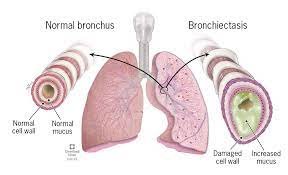
Bronchiectasis is a long-term lung condition in which the airways, also called bronchi, become permanently widened and damaged. Because the airway walls are damaged, mucus can build up and become difficult to clear.
This can lead to a persistent cough, increased mucus production and repeated chest infections.
Bronchiectasis can affect people differently. Some people have mild symptoms, while others may experience frequent infections, breathlessness or coughing up blood.
Early diagnosis, treatment of underlying causes and regular management can help reduce complications and improve quality of life.
What Is Bronchiectasis?
The lungs contain a network of airways that carry air into and out of the lungs.
In bronchiectasis, the walls of some airways become damaged and permanently widened. The damaged airways may not clear mucus effectively.
As mucus accumulates, bacteria can grow more easily, increasing the risk of repeated respiratory infections. Recurrent infection and inflammation can then cause further airway damage.
Bronchiectasis is generally considered permanent structural damage, although appropriate treatment and ongoing management can help control symptoms and reduce further complications.
Causes and Risk Factors of Bronchiectasis
Bronchiectasis can develop because of several conditions that damage the airways or interfere with the body’s ability to clear infections.
Cystic Fibrosis
Cystic fibrosis is an inherited condition that can cause thick and sticky mucus in the lungs and is an important cause of bronchiectasis.
Severe or Recurrent Lung Infections
Previous serious respiratory infections or repeated infections can damage the airway walls and contribute to bronchiectasis.
Airway Obstruction
A foreign object, inhaled material or an abnormal growth inside an airway can interfere with normal mucus clearance and contribute to airway damage.
Reduced Immune Function
People with certain conditions that weaken the immune system may be more susceptible to repeated infections, which can increase the risk of bronchiectasis.
Asthma and Other Lung Conditions
Some chronic respiratory conditions may be associated with an increased risk of bronchiectasis, particularly when there is significant airway inflammation or recurrent infection.
Other Possible Causes
In some people, bronchiectasis develops without a clearly identified cause. This is sometimes referred to as idiopathic bronchiectasis.
Bronchiectasis Symptoms
Symptoms can vary depending on how extensive the airway damage is.
Common symptoms include:
Persistent Cough
A chronic cough is one of the most common symptoms of bronchiectasis.
Excessive Mucus or Sputum
People may cough up large amounts of mucus, particularly in the morning. Sputum may sometimes have an unpleasant odor.
Recurrent Chest Infections
Repeated episodes of bronchitis or pneumonia can occur.
Coughing Up Blood
Blood may sometimes appear in sputum. This is known as haemoptysis and should be medically evaluated, particularly when it is new, persistent or significant.
Breathlessness
Breathing difficulty may occur, especially during physical activity or when mucus and airway inflammation are more severe.
Wheezing
Some people experience a whistling sound while breathing.
Chest Discomfort
Chest tightness or discomfort can occur in some people.
Fatigue
Repeated infections and ongoing respiratory symptoms can contribute to tiredness.
Weight Loss
Unintentional weight loss may occur in more advanced or severe disease and should be assessed by a healthcare professional.
Finger or Toenail Clubbing
Clubbing of the fingers or toes can occur in some people with longstanding or severe lung disease.
Possible Complications of Bronchiectasis
Poorly controlled bronchiectasis can increase the risk of:
- Recurrent lung infections
- Increasing breathlessness
- Significant haemoptysis
- Lung abscess in some cases
- Reduced lung function
- Respiratory complications in severe disease
- Reduced appetite and weight loss
Because bronchiectasis is a chronic condition, regular medical follow-up can be important, particularly for people who experience frequent infections or worsening respiratory symptoms.
Diagnosis of Bronchiectasis
A doctor may use several investigations to understand the condition and identify its possible cause.
Chest Imaging
A chest X-ray may show abnormalities, although it may not detect all cases of bronchiectasis.
A high-resolution CT scan of the chest is commonly used to assess the airways and confirm structural changes associated with bronchiectasis.
Lung Function Tests
Pulmonary function tests can help assess how well the lungs are working and whether airflow is reduced.
Blood Tests
Blood tests may be recommended to look for infection, inflammation, immune problems or other possible underlying causes.
Sputum Examination
A sample of sputum may be tested to identify bacteria or other organisms causing respiratory infections and help guide appropriate treatment.
Bronchoscopy
In selected cases, bronchoscopy may be recommended to examine the inside of the airways, particularly when an obstruction or another specific problem is suspected.
Precautions and Lifestyle Management
Bronchiectasis requires long-term management. The appropriate plan depends on the severity of disease and its underlying cause.
Avoid Smoking
Smoking can further irritate and damage the lungs. Avoiding tobacco smoke is an important part of lung health.
Avoid Lung Irritants
Try to minimize exposure to:
- Dust
- Chemical fumes
- Air pollution
- Strong smoke
- Other substances that trigger respiratory symptoms
Maintain Good Hydration
Adequate fluid intake may help keep mucus less thick and easier to clear, unless a doctor has advised you to restrict fluids for another medical reason.
Follow Airway-Clearance Techniques
Airway-clearance exercises and physiotherapy techniques may help remove mucus from the lungs. A respiratory professional can recommend an appropriate technique.
Stay Physically Active
Appropriate physical activity can support general fitness and lung function. Exercise should be adapted to the individual’s health and breathing capacity.
Eat a Nutritious Diet
A balanced diet can help maintain strength, immunity and a healthy body weight.
Treat Respiratory Infections Promptly
People with bronchiectasis can be prone to recurrent infections. Follow the treatment plan recommended by your healthcare professional when an infection develops.
Keep Recommended Vaccinations Up to Date
Vaccination against relevant respiratory infections may be recommended depending on age, health conditions and individual risk.
When Should You Seek Medical Attention?
Seek medical evaluation if you have:
- A persistent or worsening cough
- Repeated chest infections
- Increasing breathlessness
- Unexplained weight loss
- Persistent chest pain
- New or increasing blood in your sputum
Coughing up a large amount of blood, severe breathing difficulty, chest pain or sudden deterioration requires urgent medical attention.
Homeopathic Management Approach for Bronchiectasis
Stannum met : it is well indicated where the chest feels constricted . emptiness or weak feeling of the chest . dyspnea while walking, obliged to stop and take a deep breath. Sharp lancinating pain on the left side of chest.
Copaiva: it is well indicated in bronchiectasis where discharge is an offensive and greenish colour. Tickling sensation in trachea and larynx. Profuse mucus discharge or sometimes blood in mucus discharge.
Phosphorus : it can be given in chest pain. Breathing is quickened. Stitching type of pain in upper chest. Rattling of mucus worse by cold drinks. Gull heavy feeling of chest. Tightness of the chest.
Pulsatilla nigricans : pulsatilla works well in chest expectoration where sputum is of yellowish colour. Heavy sore feeling of the chest. Chest complaints aggravate while lying down. Congestion of heart and chest at night while lying down.
Frequently Asked Questions About Bronchiectasis
Why do I keep getting chest infections with bronchiectasis?
Bronchiectasis can make it harder to clear mucus from the airways, allowing bacteria and other germs to remain there and increasing the risk of repeated infections. Frequent infections should be discussed with a healthcare professional.
Can bronchiectasis cause fatigue?
Yes. Persistent coughing, breathlessness, recurrent infections and the ongoing effort required to clear mucus can contribute to tiredness. Severe or unexplained fatigue should be evaluated for other possible causes as well.
Can bronchiectasis cause chest pain?
It can sometimes be associated with chest discomfort, particularly during coughing or respiratory infections. New, severe or persistent chest pain should be assessed because it can have causes unrelated to bronchiectasis.
Can bronchiectasis get worse over time?
Bronchiectasis can remain stable in some people but may worsen in others, particularly with repeated infections or ongoing lung damage. Regular follow-up can help monitor symptoms and lung function.
What does bronchiectasis mucus look like?
Sputum may be clear, white, yellow or green, particularly during a chest infection. A sudden change in the amount, colour or presence of blood in sputum should be discussed with a healthcare professional.
When is coughing up blood with bronchiectasis an emergency?
Seek urgent medical attention for a large amount of blood, rapidly increasing bleeding, difficulty breathing, dizziness, fainting or severe weakness. Even smaller amounts of new or recurrent blood in the sputum should be medically assessed.
Consultation at 247 Homeopathy, Zirakpur
If you are experiencing persistent cough, excessive mucus, recurrent respiratory infections or other symptoms associated with bronchiectasis, you can consult Dr. Ruchi at 247 Homeopathy, Zirakpur, Punjab.
During a consultation, Dr. Ruchi can review your:
- Respiratory symptoms
- Type and characteristics of sputum
- Chest discomfort
- Breathing difficulties
- Previous respiratory infections
- Relevant health history
- Existing medical treatment
Based on your individual symptoms, Dr. Ruchi can discuss whether a complementary homeopathic approach may be appropriate.


