Astrocytoma
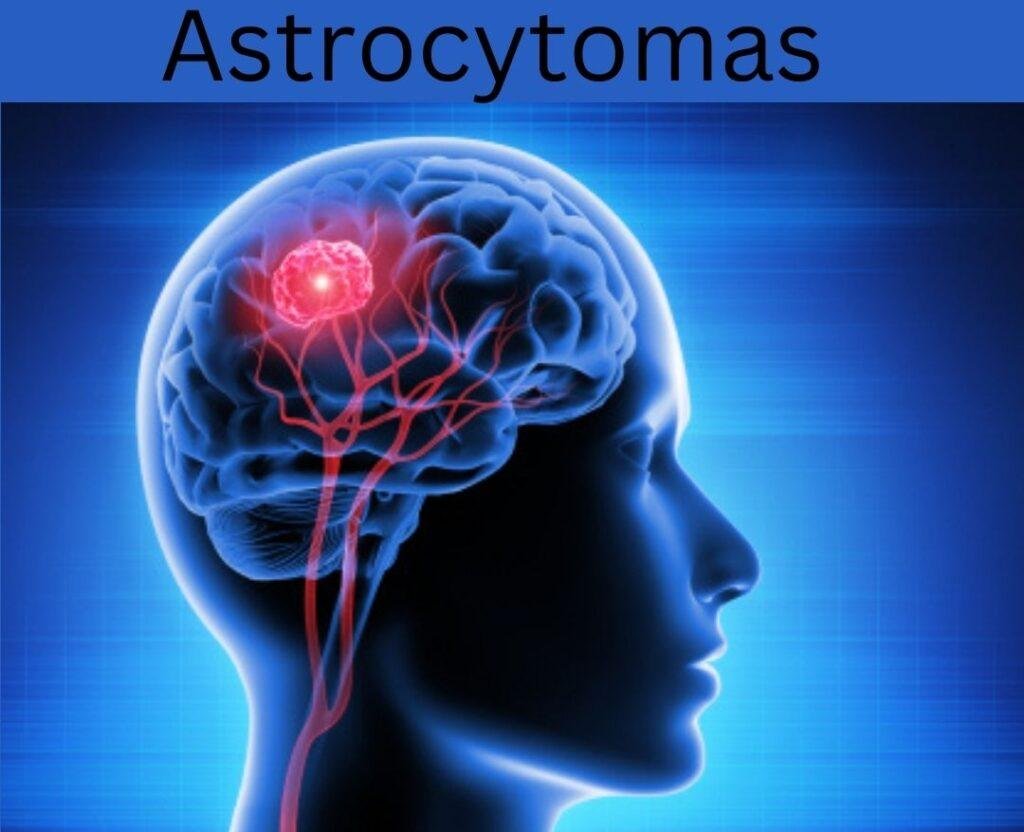
An astrocytoma is a type of brain or spinal cord tumor that develops from astrocytes, which are star-shaped supporting cells (glial cells) of the central nervous system. Astrocytes help protect nerve cells, maintain the brain’s environment, and support normal brain function.
Astrocytomas can occur in both adults and children and range from slow-growing (low-grade) to rapidly growing (high-grade) tumors. The symptoms depend on the size, grade, and location of the tumor within the brain or spinal cord.
Early diagnosis and treatment are important for achieving the best possible outcomes. Alongside conventional medical treatment, some patients choose homeopathy as a complementary approach to help manage individual symptoms and improve overall well-being.
At 247 Homeopathy, Dr. Ruchi provides individualized homeopathic consultations based on each patient’s medical history, symptoms, and overall health.
What is an Astrocytoma?
Astrocytoma is a tumor that begins in astrocytes, a type of glial cell found throughout the brain and spinal cord. These tumors account for a significant proportion of primary brain tumors.
The World Health Organization (WHO) classifies astrocytomas into different grades based on how quickly they grow:
- Grade 1: Usually slow-growing and often curable with surgery.
- Grade 2: Slow-growing but may progress over time.
- Grade 3 (Anaplastic Astrocytoma): Faster-growing and malignant.
- Grade 4 (Glioblastoma): The most aggressive form of astrocytoma.
Astrocytomas may develop in any part of the brain or spinal cord, and symptoms vary depending on the affected area.
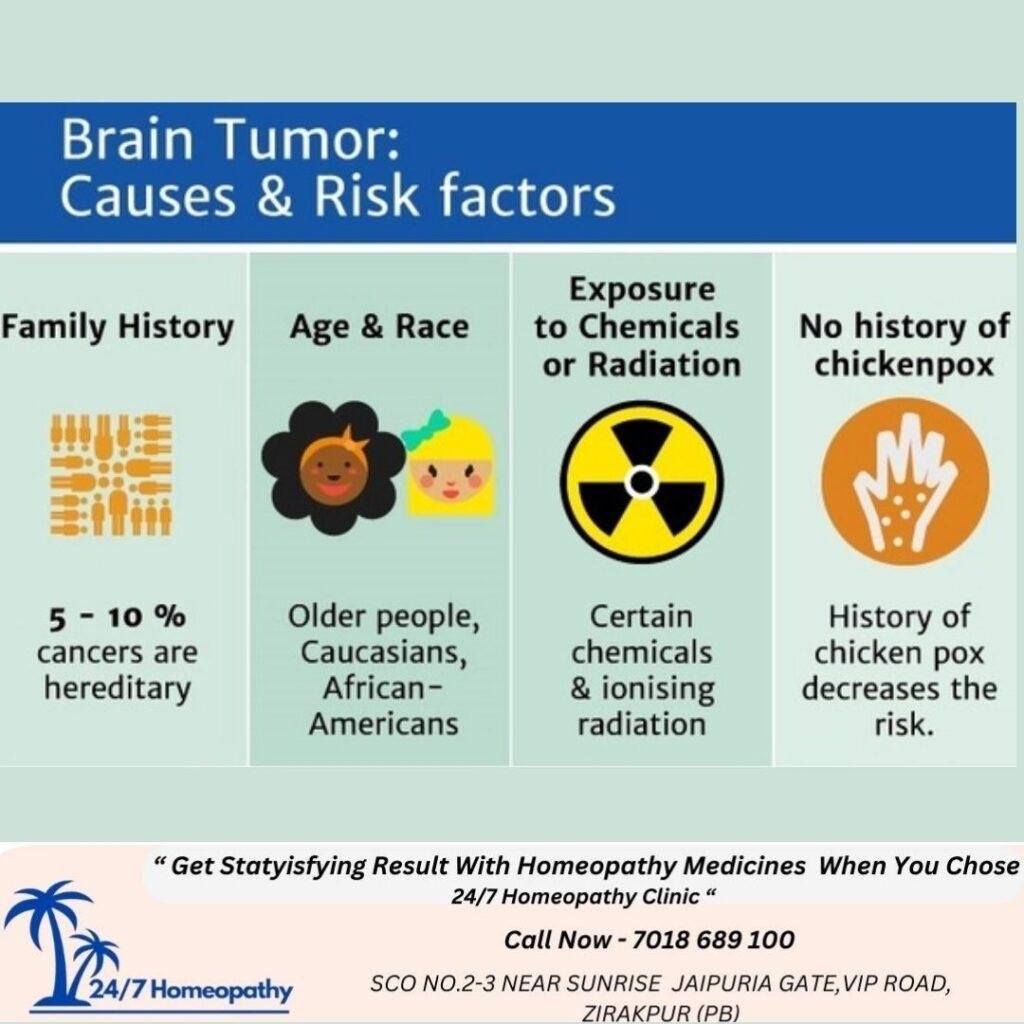
Causes and Risk Factors
The exact cause of astrocytoma is not fully understood. It develops when genetic changes cause astrocytes to grow and divide uncontrollably.
Possible risk factors include:
- Genetic mutations (including IDH1 and other gene alterations)
- Previous exposure to ionizing radiation
- Certain inherited genetic syndromes
- Family history of brain tumors (rare)
- Increasing age (for many adult astrocytomas)
- Male sex (slightly higher risk for some types)
There is no strong scientific evidence that stress, mobile phone use, or routine screen exposure directly causes astrocytoma.
Symptoms of Astrocytoma
Symptoms depend on the location, size, and growth rate of the tumor.
Common symptoms include:
- Persistent or worsening headaches
- Seizures
- Nausea and vomiting
- Blurred or double vision
- Loss of vision
- Difficulty speaking
- Hearing changes
- Memory problems
- Difficulty concentrating
- Confusion
- Personality or mood changes
- Weakness in the arms or legs
- Difficulty walking
- Poor balance and coordination
- Dizziness or vertigo
- Numbness
- Unexplained weight loss
Seek immediate medical attention if severe headaches, seizures, sudden weakness, or changes in consciousness occur.
Childhood Astrocytoma
Astrocytoma is one of the most common brain tumors seen in children.
Many childhood astrocytomas are low-grade tumors, meaning they tend to grow slowly and often have a favorable outlook with appropriate treatment.
Symptoms in children may include:
- Frequent headaches
- Vomiting, especially in the morning
- Seizures
- Poor balance
- Difficulty walking
- Vision problems
- Hearing difficulties
- Slow or slurred speech
- Declining school performance
- Changes in handwriting
- Fatigue
- Weakness of the arms or legs
- Behavioral or personality changes
Parents should consult a pediatric specialist if these symptoms persist.
Diagnosis
Diagnosing astrocytoma requires a combination of neurological assessment and imaging studies.
Neurological Examination
The doctor evaluates:
- Reflexes
- Muscle strength
- Coordination
- Balance
- Vision
- Speech
- Memory
- Mental status
Imaging Tests
Your doctor may recommend:
- MRI scan (the preferred imaging test)
- CT scan
- MR Spectroscopy (MRS)
- PET scan (in selected cases)
Additional Tests
Depending on the clinical situation:
- Electroencephalogram (EEG) for seizure evaluation
- Blood tests
- Lumbar puncture (only in selected situations)
- Biopsy to confirm the diagnosis and determine the tumor type and grade
Precautions and Lifestyle Tips
Although astrocytoma cannot usually be prevented, healthy lifestyle habits support overall health during treatment and recovery.
Helpful recommendations include:
- Attend regular medical follow-up appointments.
- Take prescribed medications as directed.
- Eat a balanced diet rich in fruits and vegetables.
- Stay physically active as advised by your healthcare team.
- Maintain a healthy weight.
- Get adequate sleep.
- Avoid smoking and tobacco use.
- Limit alcohol consumption.
- Manage stress through relaxation techniques and emotional support.
- Follow seizure precautions if recommended by your doctor.
- Children should have age-appropriate screen time and regular developmental monitoring, but reducing screen time has not been shown to prevent astrocytoma.
Homeopathic Treatment Approach
Astrocytoma is a serious neurological condition that requires evaluation and treatment by neurologists, neurosurgeons, and oncology specialists. Depending on the tumor’s type, grade, and location, treatment may include surgery, radiation therapy, chemotherapy, targeted therapy, or careful monitoring.
At 24/7 Homeopathy, Dr. Ruchi develops personalized homeopathic treatment plans after evaluating:
- Complete medical history
- Neurological symptoms
- Tumor diagnosis
- Current medical treatment
- General health
- Emotional well-being
- Constitutional characteristics
Homeopathic medicines are selected according to the patient’s overall symptom profile rather than the diagnosis alone.
Homeopathic Medicines Commonly Considered
Calcarea Carbonica
According to classical homeopathic literature, Calcarea Carbonica may be considered in individuals with symptom patterns such as:
- Poor memory
- Mental fatigue
- Headaches
- Vertigo
- Diminished vision
- Hearing difficulties
- Muscle cramps
- General weakness
Medicine selection is individualized and based on the patient’s complete clinical picture.
Helleborus
Helleborus is traditionally described for symptom patterns that may include:
- Mental dullness
- Difficulty concentrating
- Severe headaches
- Vomiting associated with headache
- Muscle weakness
- Visual disturbances
- Limb heaviness
- Neurological complaints
It is prescribed only after an individualized homeopathic assessment.
Conium
Conium may be considered when patients present with:
- Weak memory
- Vertigo
- Headache with nausea
- Trembling of the limbs
- General weakness
- Hearing impairment
- Difficulty with movement
- Weakness of the lower limbs
Selection depends on the individual’s overall symptom pattern rather than the disease itself.
Frequently Asked Questions (FAQs)
Can astrocytoma cause personality or behavior changes?
Yes. Depending on the tumor’s location, astrocytoma can affect areas of the brain involved in behavior, mood or thinking. New or persistent personality or behavioral changes should be medically evaluated.
Can astrocytoma cause nausea and vomiting?
Yes. A brain tumor can sometimes cause nausea or vomiting, particularly when it increases pressure inside the skull. Persistent vomiting without an obvious digestive cause warrants medical assessment.
Can astrocytoma cause weakness or numbness on one side?
Yes. If an astrocytoma affects areas of the brain involved in movement or sensation, it may cause weakness, numbness or reduced coordination, sometimes affecting one side of the body.
Can astrocytoma cause memory or concentration problems?
Yes. Some people may develop difficulties with memory, concentration, thinking or other cognitive functions, depending on the tumor’s location and other factors.
Can astrocytoma cause seizures in someone who never had them before?
Yes. A new-onset seizure can be a symptom of a brain tumor, including astrocytoma. A first seizure requires prompt medical evaluation.
Can astrocytoma come back after treatment?
Yes. Astrocytoma can recur after treatment in some people. The likelihood and timing of recurrence depend on factors such as the tumor type, grade, location and treatment received.
Consult Dr. Ruchi at 24/7 Homeopathy, Zirakpur
If you or a loved one has been diagnosed with an astrocytoma and are looking for individualized homeopathic supportive care, 24/7 Homeopathy offers comprehensive consultations under the guidance of Dr. Ruchi.
Each consultation includes a detailed assessment of your symptoms, medical history, neurological condition, and ongoing treatment to develop a personalized homeopathic care plan that complements standard medical management.


