NEUROBLASTOMA
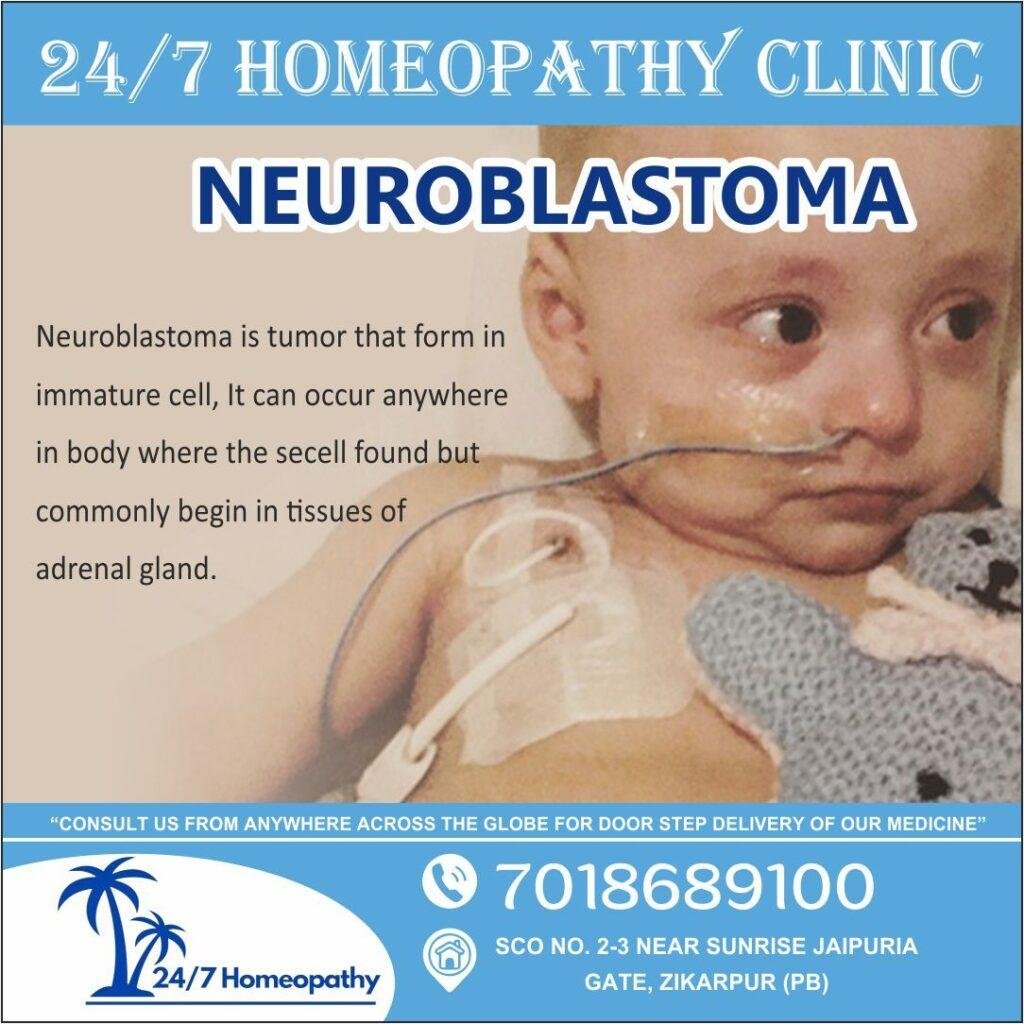
Neuroblastoma is a rare type of cancer that develops from immature nerve cells called neuroblasts. It mainly affects infants and young children, although teenagers and adults can rarely develop it.
Neuroblastoma can occur in different parts of the body where these immature nerve cells are found. It commonly begins in the adrenal glands, which are located above the kidneys.
Boys may be slightly more commonly affected than girls.
Because symptoms depend on where the tumor develops, neuroblastoma can present differently from one child to another.
What Is Neuroblastoma?
Neuroblasts are immature nerve cells that develop during fetal development. As the fetus develops, most neuroblasts mature into nerve cells and related tissues.
Normally, the remaining immature cells either mature or disappear. In some cases, however, these cells develop genetic changes and begin growing uncontrollably, forming a tumor called neuroblastoma.
The exact reason why these genetic changes occur in most cases is not known.
Causes and Risk Factors of Neuroblastoma
The exact cause of neuroblastoma is not known.
According to the doctor’s existing content, one factor that may increase the risk is:
Family History
A family history of neuroblastoma can increase the risk of developing the condition. However, most children with neuroblastoma do not have a family history of the disease.
Neuroblastoma develops because of genetic changes in immature nerve cells, but the reason these changes occur in most children remains unclear.

Symptoms of Neuroblastoma
Symptoms vary depending on the location of the tumor and whether it has spread to other parts of the body.
If the Abdomen Is Involved
The symptoms may include:
- Abdominal pain
- A lump or mass that can be felt under the skin
- Abdominal swelling
- Constipation or diarrhea
- Changes in bowel habits
An abdominal mass may sometimes be painless.
If the Chest Is Involved
Possible symptoms include:
- Chest pain
- Cough
- Wheezing
- Difficulty breathing
- Difficulty swallowing
Other Possible Symptoms
The doctor’s content also mentions:
- Back pain
- Fever
- Weight loss
- General body aches
- A lump under the skin
- Protruding eyeballs
- Dark circles around the eyes
- Weakness or fatigue
Symptoms can be different in infants and older children. A persistent lump, unexplained weight loss, abdominal swelling, breathing difficulty or other concerning symptoms should be evaluated by a pediatrician.
Diagnosis of Neuroblastoma
The diagnosis may involve several investigations depending on the child’s symptoms and suspected location of the tumor.
The doctor’s existing content includes:
- Physical examination
- Blood tests
- X-ray
- Ultrasound
- CT scan
- MRI
- Biopsy
- Bone marrow aspiration
Doctors may use these tests to identify the tumor, determine its location and assess whether it has affected other parts of the body.
Precautions and Supportive Care
There is currently no specific lifestyle measure that can reliably prevent most cases of neuroblastoma because its exact cause is generally unknown.
For a child with suspected or confirmed neuroblastoma:
- Follow the treatment plan provided by the child’s pediatric oncology team.
- Attend recommended follow-up appointments.
- Ensure adequate nutrition and hydration according to medical advice.
- Encourage appropriate rest and activity based on the child’s condition.
- Report new or worsening symptoms promptly.
- Avoid delaying investigations or cancer treatment while trying alternative therapies.
Parents should discuss any complementary treatment, including homeopathy, with the child’s treating medical team.
Homeopathic Treatment Approach
The following medicines are taken from Dr. Ruchi’s existing homeopathic content and have been organized according to the symptom patterns provided.
Phosphorus
The doctor’s content mentions:
- Sharp, cutting abdominal pain
- Large yellow spots on the abdomen
- Painless, copious diarrhea followed by marked weakness
- Sharp, stitching or oppressive chest pain
- Cough with burning and oppression of the chest
- Weakness and easy fatigue
- Numbness of the arms and hands
- Pale, unhealthy complexion with blue rings around the eyes
- Weakness and pain in the spine
- Fever
Calcarea Carb
The symptom indications mentioned include:
- Tickling cough that is troublesome at night
- Suffocating spells
- Tightness, burning and soreness in the chest
- Chest sensitivity to touch
- Back pain as if sprained
- Weakness in the lower back or lumbosacral region
- Swollen glands
- Cutting abdominal pain
- Painful swelling of inguinal and mesenteric glands
- Constipation or diarrhea
Arsenicum Album
The doctor’s content includes:
- Swollen and painful abdomen
- Small, offensive, dark stools with marked weakness
- Weakness in the lower back
- Pain and burning in the back
- High fever
- Skin-related symptoms mentioned in the doctor’s remedy profile
- Wheezing respiration
- Dry cough with burning in the chest, worse at night
- Gradual weight loss
- Weakness and exhaustion
Important: These medicines are included as part of the doctor’s homeopathic approach and should not be self-prescribed. Neuroblastoma is a serious childhood cancer that requires evaluation and treatment by a qualified pediatric oncology team. Homeopathy should not replace chemotherapy, surgery, radiation therapy, immunotherapy, targeted treatment or other cancer care recommended by specialists.
If parents are considering complementary homeopathic care, it should be discussed openly with the child’s treating oncologist so that it does not interfere with essential treatment.
Frequently Asked Questions
What is neuroblastoma?
Neuroblastoma is a rare cancer that develops from immature nerve cells. It mainly affects infants and young children and commonly develops in or near the adrenal glands.
What causes neuroblastoma?
The exact cause is usually unknown. Neuroblastoma develops when immature nerve cells acquire genetic changes that cause uncontrolled growth. A family history can increase the risk in some cases.
At what age does neuroblastoma usually occur?
Neuroblastoma primarily affects infants and young children. It can occur in older children and, much less commonly, in teenagers and adults.
What are the common symptoms of neuroblastoma?
Symptoms depend on where the tumor develops. They may include an abdominal lump or pain, constipation or diarrhea, chest symptoms, back pain, fever, weight loss, weakness, protruding eyes or dark circles around the eyes.
How is neuroblastoma diagnosed?
Evaluation can include physical examination, blood tests, imaging such as ultrasound, CT and MRI, biopsy and bone marrow aspiration.
Can neuroblastoma occur in the chest?
Yes. Although neuroblastoma commonly develops in the abdomen or adrenal region, it can also develop in the chest. Chest tumors may cause coughing, wheezing, chest pain, breathing difficulty or difficulty swallowing.
Can homeopathy cure neuroblastoma?
Homeopathy should not be described as a cure for neuroblastoma. Neuroblastoma requires appropriate pediatric oncology care. Homeopathic treatment, if chosen, should only be considered complementary and should never delay or replace recommended cancer treatment.
Which homeopathic medicines are mentioned on this page?
Dr. Ruchi’s existing homeopathic section mentions Phosphorus, Calcarea Carb and Arsenicum Album, based on the individual symptom patterns described.
When should a child be evaluated for neuroblastoma?
A child should be medically evaluated for persistent or unexplained symptoms such as an abdominal lump or swelling, unexplained weight loss, persistent pain, breathing difficulty, weakness or other concerning changes.
Consultation at 247 Homeopathy
If your child has been diagnosed with neuroblastoma and you would like to discuss complementary homeopathic care, you can consult Dr. Ruchi at 247 Homeopathy, Zirakpur, Punjab.
247 Homeopathy provides consultation for patients from Zirakpur and nearby areas, while online consultation can also make it possible for patients and families from other parts of India and worldwide to seek guidance.
For childhood cancer, homeopathic consultation should always remain complementary to pediatric oncology care. Do not delay or discontinue any cancer treatment prescribed by your child’s medical team.
Consult Dr. Ruchi at 247 Homeopathy, Zirakpur, to discuss your child’s symptoms and an individualized complementary care approach.


