Dermatophytosis

Dermatophytosis

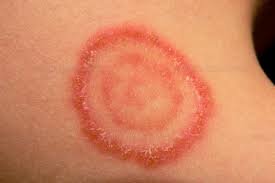
Dermatophytosis is a fungal infection of the skin, hair or nails caused by a group of fungi called dermatophytes. It is commonly known as ringworm, although it is not caused by a worm. Dermatophytosis can affect different parts of the body, including the scalp, face, abdomen, groin, legs, hands, feet and nails. The infection can spread through direct skin-to-skin contact…

Developmental Delayed

Developmental Delayed

Every child develops at their own pace. Child development refers to the way a child learns and develops skills as they grow. Development is different from physical growth. Growth refers mainly to changes in a child’s physical size, while development includes the acquisition of skills such as movement, communication, learning and social interaction. When a child does not achieve an…

Diabetes Mellitus

Diabetes Mellitus

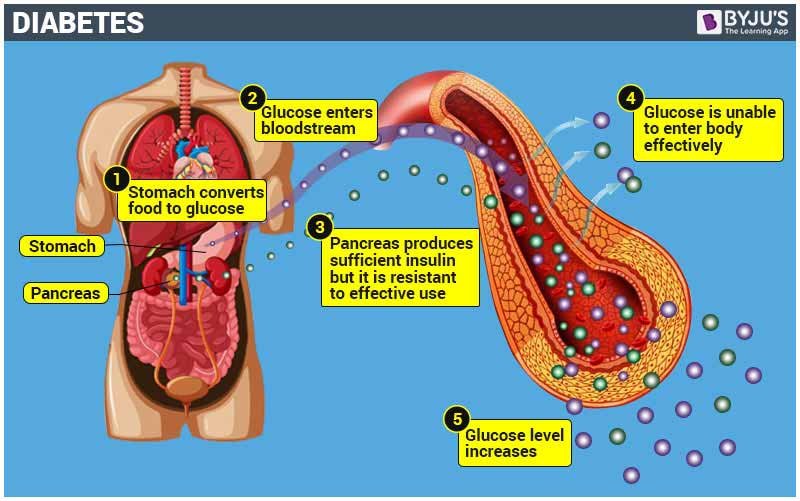
Diabetes mellitus is a group of chronic metabolic conditions in which blood glucose (blood sugar) levels remain higher than normal over time. It develops when the body does not produce enough insulin, does not respond properly to insulin, or both. Insulin is a hormone produced by the pancreas that helps glucose move from the bloodstream into cells, where it can…

Diaper Rash

Diaper Rash

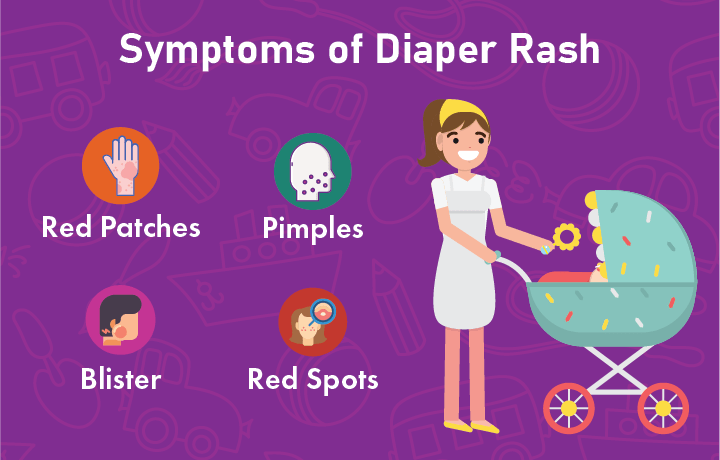
Diaper rash is a common skin problem in babies and young children. It usually appears as redness, irritation or inflammation on the skin covered by the diaper, particularly around the buttocks and genital area. The medical term for irritation caused by prolonged contact with a diaper is irritant diaper dermatitis. Diaper rash commonly develops when moisture, urine, stool, friction and…

Diplopia

Diplopia

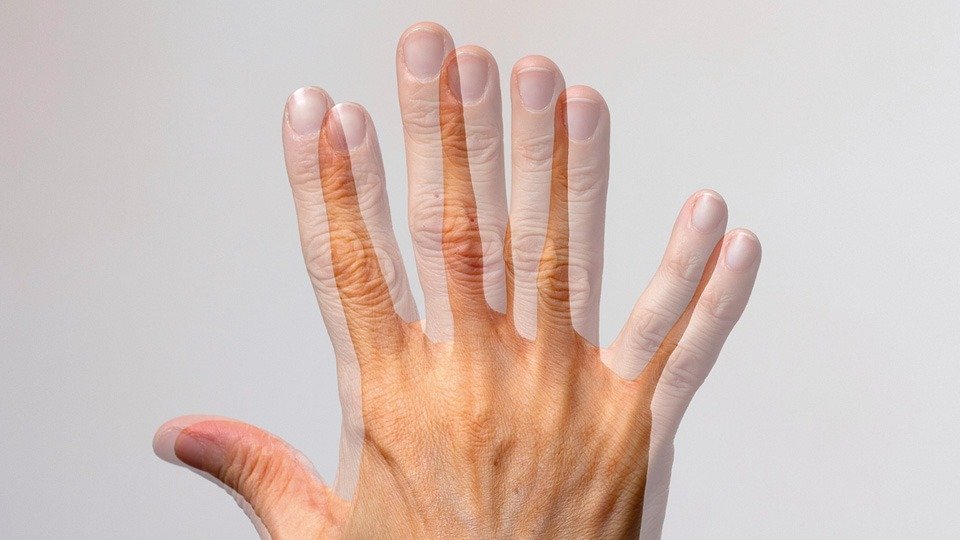
Seeing two images of a single object is called diplopia, commonly known as double vision. It can occur in one eye or when both eyes are open. Double vision may result from an eye condition, problems with the muscles that control eye movement, or disorders affecting the nerves and brain. In some cases, particularly when double vision begins suddenly, it…

Disc Prolapse

Disc Prolapse

Disc prolapse, also known as a slipped disc or herniated disc, is a condition in which the soft inner part of a spinal disc bulges through its outer fibrous layer. This may compress nearby nerves and cause lower back pain, sciatica, numbness or weakness. Although a disc prolapse can occur anywhere in the spine, it most commonly affects the lumbar…

Dupuytren’S Disease

Dupuytren’S Disease

Dupuytren’s disease is a connective tissue condition affecting the palm and fingers. It causes abnormal thickening of the fascia, the fibrous tissue beneath the skin of the palm. Over time, this thickened tissue can form firm cords that pull one or more fingers toward the palm. This can gradually make it difficult to straighten the affected fingers or perform everyday…

Dysentery

Dysentery

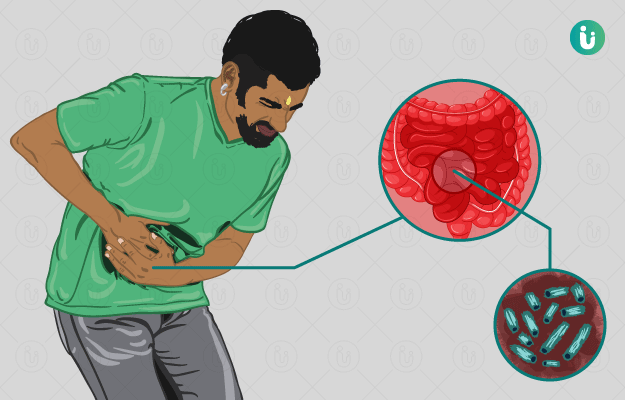
Dysentery is an intestinal infection or inflammation that causes diarrhea, abdominal cramps and frequent loose stools that may contain blood or mucus. It can be caused by bacteria or parasites and commonly spreads through contaminated food or water. Because dysentery can lead to dehydration and, in some cases, serious complications, persistent diarrhea or blood in the stool should not be…

Dyslexia

Dyslexia

Dyslexia is a learning difference that mainly affects reading, spelling, writing and the processing of written language. It is usually identified during childhood, although some people may not be diagnosed until adolescence or adulthood. A child with dyslexia may have normal or above-average intelligence but still find reading, spelling or written work unusually difficult. Dyslexia is not caused by laziness,…

CARBUNCLE

CARBUNCLE

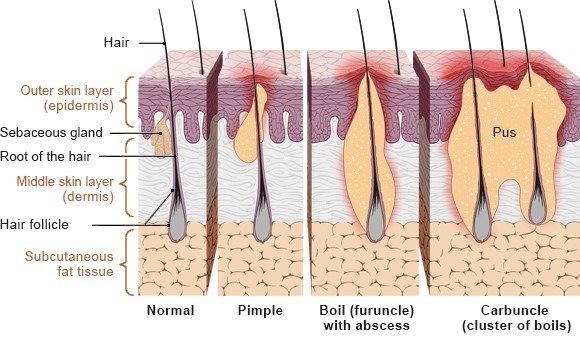
A carbuncle is a cluster of connected boils that forms under the skin and contains pus. It is usually caused by a bacterial infection, most commonly involving Staphylococcus aureus. Carbuncles can be painful and may drain pus through one or more openings in the skin. They commonly develop on areas such as the back of the neck, shoulders, thighs or…