Gastroparesis

Gastroparesis

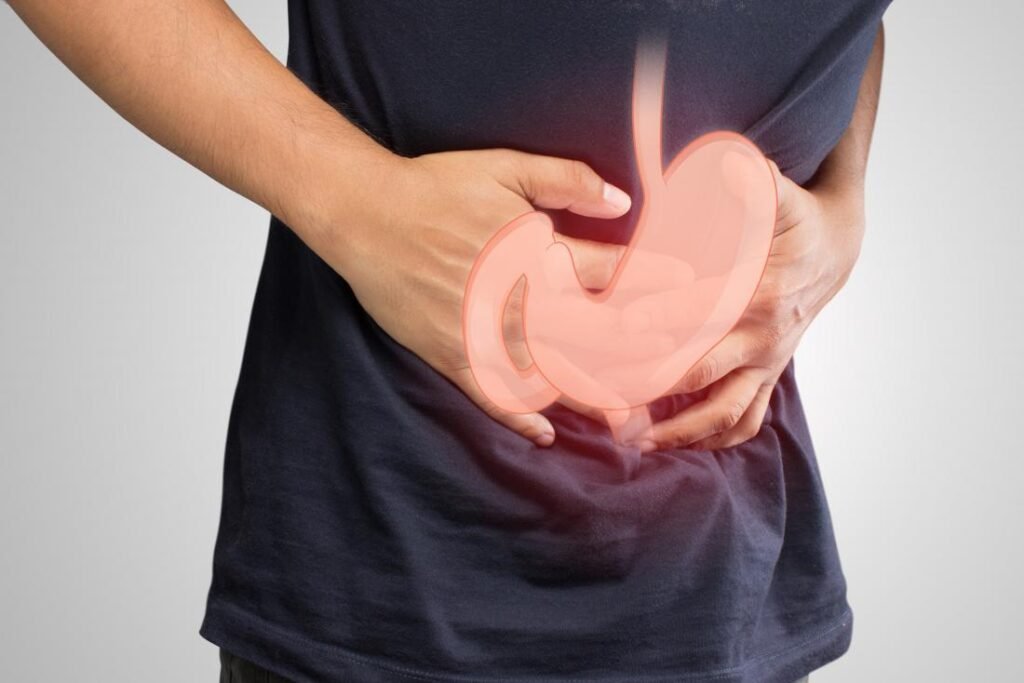
Gastroparesis is a condition in which the normal movement of the stomach becomes slow because of problems affecting the nerves or muscles that control stomach movement. Normally, muscular contractions called peristaltic movements help move food from the stomach into the small intestine. In gastroparesis, these movements become slower or less effective, so food can remain in the stomach for a…

Genital warts

Genital warts

Genital warts are also known as condyloma acuminatum. They are small, non-cancerous growths that can appear on the skin or mucous membranes around the genital area. Genital warts are caused by certain types of human papillomavirus (HPV) and are a sexually transmitted infection. They can affect both males and females and may appear as a single growth or as a…

Genital Herpes

Genital Herpes

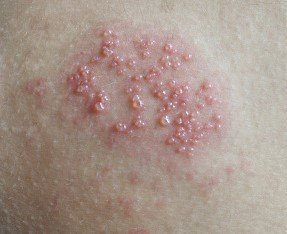
Genital herpes is a sexually transmitted infection (STI) caused by the herpes simplex virus, mainly HSV-1 or HSV-2. It can cause painful blisters or sores around the genital and anal areas. The infection can affect both males and females. Some people may have noticeable symptoms, while others may have mild or no symptoms and still transmit the virus to another…

Glossitis

Glossitis

Glossitis is the inflammation of the tongue that causes swelling, redness and changes in the surface of the tongue. In many cases, the tongue becomes smooth and shiny because the tiny papillae on its surface are reduced. Glossitis may be painless in some people, while others experience discomfort, tenderness and difficulty eating or swallowing. It is commonly associated with nutritional…

Giardiasis

Giardiasis

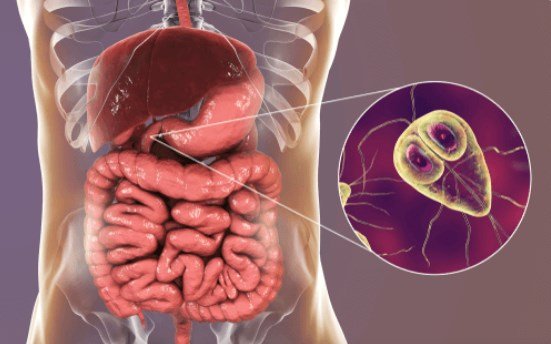
Giardiasis is an intestinal infection caused by the parasite Giardia duodenalis. It commonly spreads when a person consumes contaminated food or water or comes into contact with contaminated environments. Some people with giardiasis do not develop noticeable symptoms. Others may experience diarrhea, abdominal cramps, nausea, bloating, fatigue and weight loss. Symptoms may develop several days to weeks after exposure to…

Goitre

Goitre

Goitre is the abnormal enlargement of the thyroid gland, which is located at the front of the neck. An enlarged thyroid may appear as a swelling or lump in the neck. Goitre can occur when the thyroid gland produces too little, too much or sometimes a normal amount of thyroid hormone. Different conditions, including iodine deficiency, thyroid nodules and autoimmune…

Golfers Elbow

Golfers Elbow

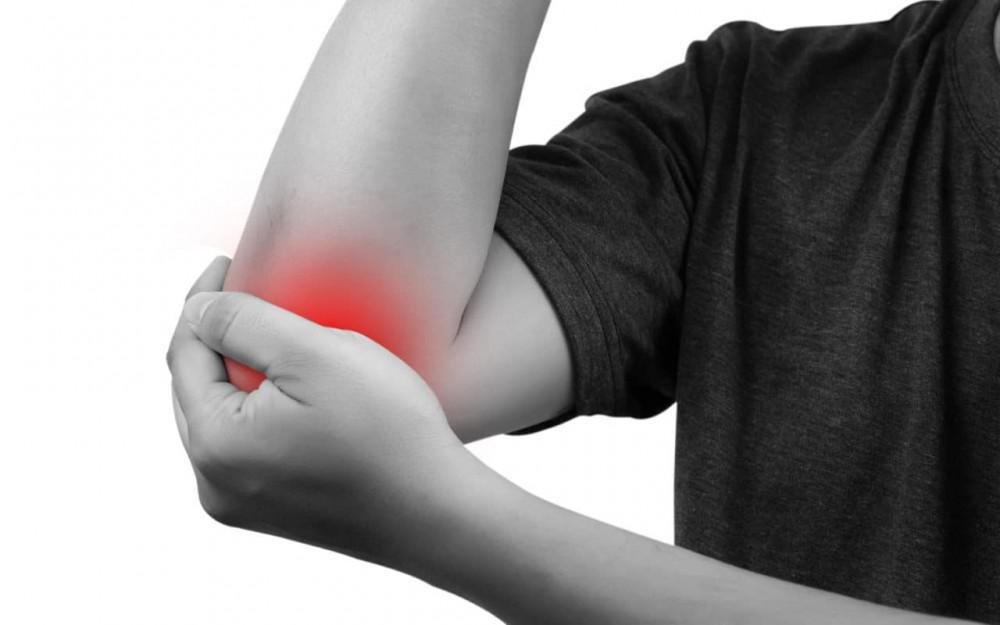
Golfer’s elbow, medically known as medial epicondylitis, is a condition that causes pain around the inner side of the elbow. It commonly develops when the tendons that attach the forearm muscles to the inside of the elbow are repeatedly overloaded. Despite its name, Golfer’s elbow is not limited to golfers. It can affect anyone who repeatedly uses the wrist, forearm…

Gonorrhoea

Gonorrhoea

Gonorrhoea is a sexually transmitted infection (STI) caused by the bacterium Neisseria gonorrhoeae. It can affect the genitals, rectum, throat and, less commonly, the eyes. Gonorrhoea can sometimes cause no noticeable symptoms, particularly in women. Because an infected person may transmit the infection without knowing it, testing is important after a potential exposure or when symptoms develop. Gonorrhoea is treatable,…

Graves Disease

Graves Disease

Graves disease is an autoimmune condition that causes an overactive thyroid (hyperthyroidism). In this condition, the immune system produces antibodies that stimulate the thyroid gland to make excessive thyroid hormones, mainly T4 and T3. Because thyroid hormones influence metabolism, the heart, nervous system and many other body functions, Graves disease can cause symptoms such as weight loss, increased heart rate,…

Gastroenteritis

Gastroenteritis

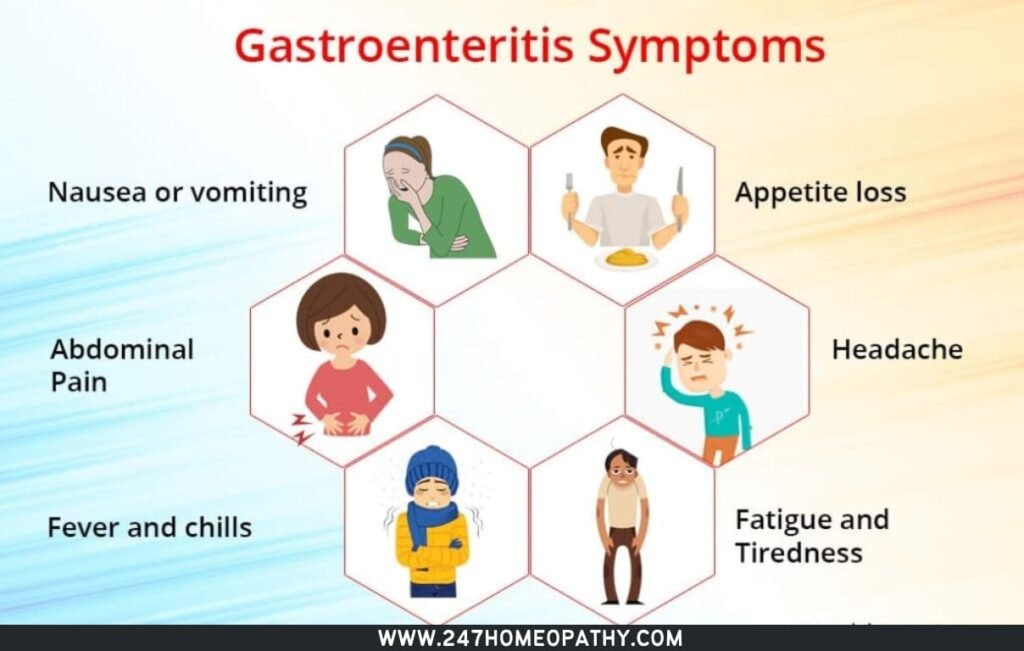
Gastroenteritis is inflammation or infection of the stomach and intestines that commonly causes sudden diarrhea, vomiting, nausea and abdominal cramps. It is often called the “stomach flu,” although it is not the same as influenza. Gastroenteritis can be caused by viruses, bacteria, parasites or, less commonly, other infectious organisms. Contaminated food or water and close contact with an infected person…