Eye Floaters

Eye Floaters

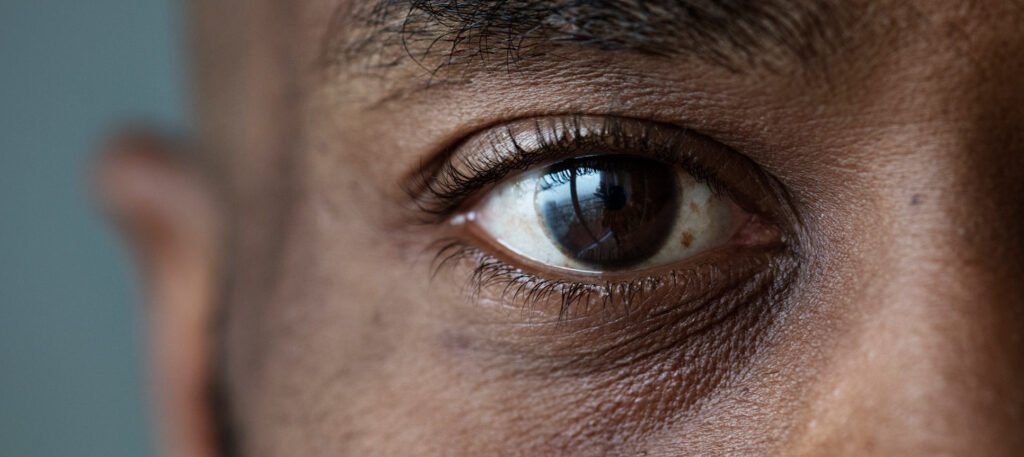
Eye floaters are small spots, specks, threads or cobweb-like shapes that appear to move across your field of vision. They may look black, grey or translucent and are often easier to notice when looking at a bright, plain background such as a clear sky or white wall. Most eye floaters are related to normal, age-associated changes in the vitreous, the…
Eczema

Eczema

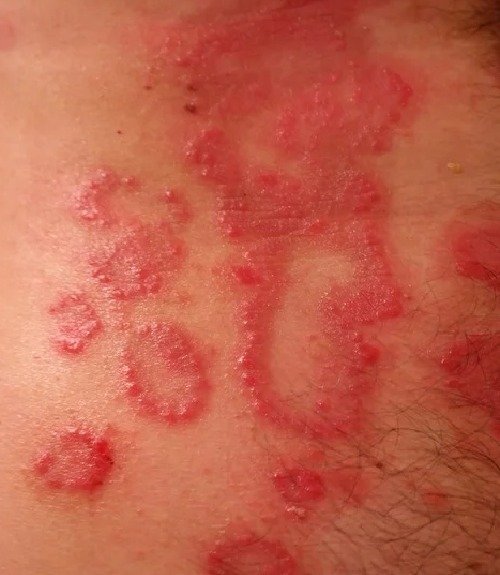
Eczema is a common skin condition that causes dry, itchy, inflamed and irritated skin. The most common type is atopic dermatitis, which often begins during childhood but can also continue into adulthood or develop later in life. Eczema is not contagious and cannot spread from one person to another through touch. The condition can come and go, with periods when…

Fatty Liver Disease

Fatty liver disease occurs when too much fat builds up in the liver cells. Fatty liver is also known as hepatic steatosis. Heavy drinking or excessive alcohol consumption can cause fat to build up inside the liver cells and affect normal liver function. However, fatty liver can also develop in people who do not drink alcohol. What Is Fatty Liver…

Ganglion cyst

Ganglion cyst

A ganglion cyst is a fluid-filled sac that usually develops around a joint or tendon. It is generally benign and non-cancerous and contains a clear, sticky or jelly-like fluid. A ganglion cyst may be painless or may cause pain, stiffness or discomfort, particularly when the affected joint is used repeatedly. The wrist and hand are the most commonly affected areas….

Gangrene

Gangrene

Gangrene is a serious condition in which body tissue dies because of reduced blood circulation, infection, or a combination of both. It most commonly affects the lower extremities and skin when blood supply to the tissues is reduced. Gangrene can occur in the feet, toes, fingers, muscles and, in some cases, internal organs. Gangrene requires prompt medical attention, particularly when…

Gastroparesis

Gastroparesis

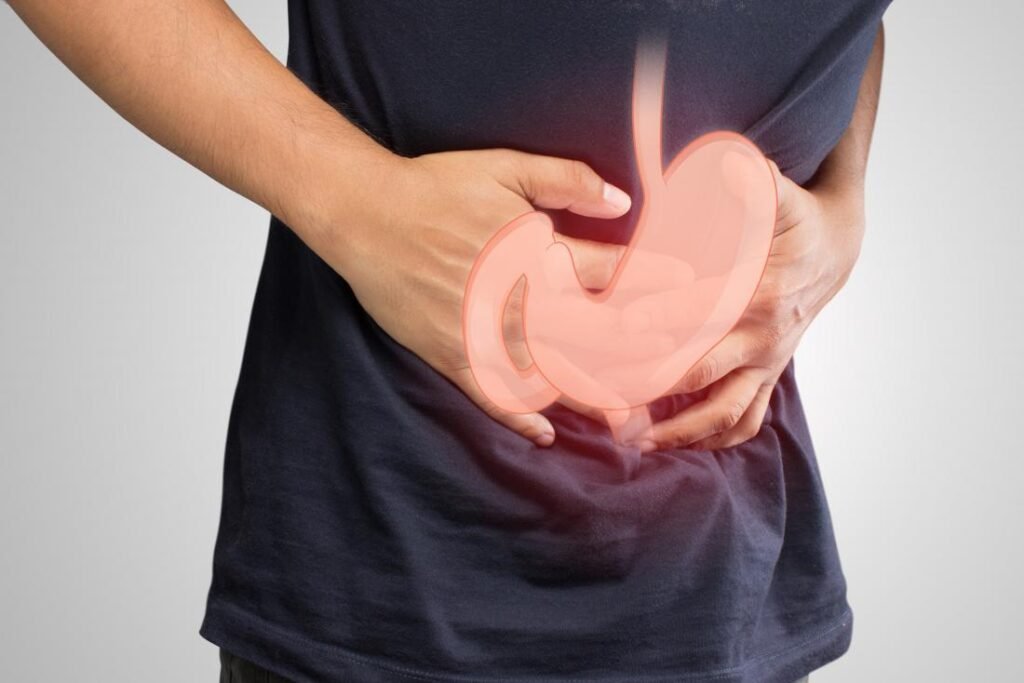
Gastroparesis is a condition in which the normal movement of the stomach becomes slow because of problems affecting the nerves or muscles that control stomach movement. Normally, muscular contractions called peristaltic movements help move food from the stomach into the small intestine. In gastroparesis, these movements become slower or less effective, so food can remain in the stomach for a…

Genital warts

Genital warts

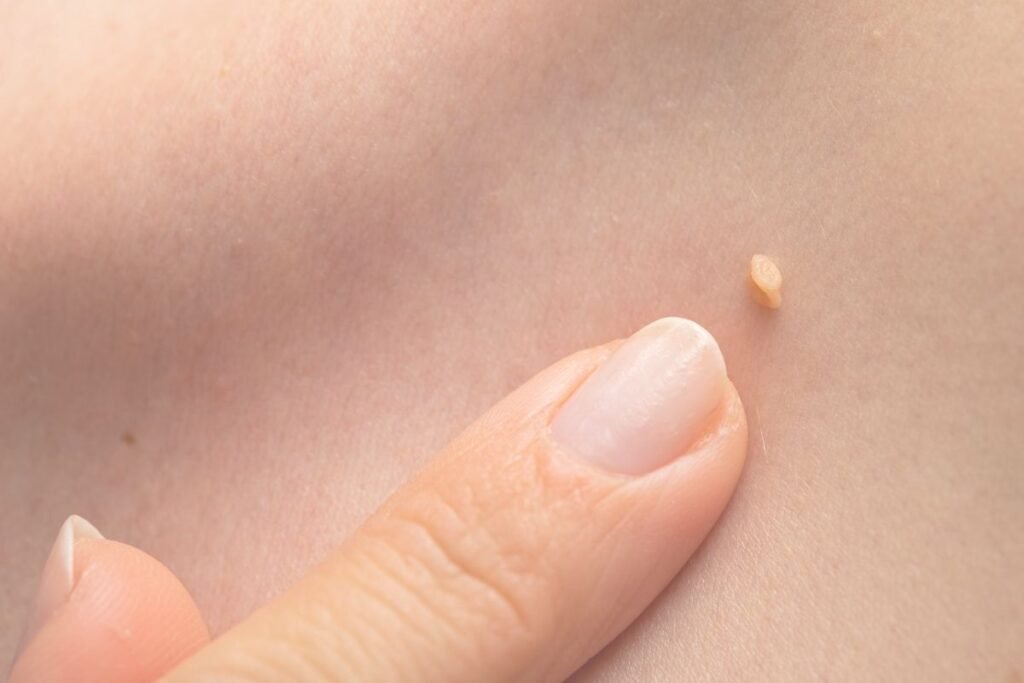
Genital warts are also known as condyloma acuminatum. They are small, non-cancerous growths that can appear on the skin or mucous membranes around the genital area. Genital warts are caused by certain types of human papillomavirus (HPV) and are a sexually transmitted infection. They can affect both males and females and may appear as a single growth or as a…

Genital Herpes

Genital Herpes

Genital herpes is a sexually transmitted infection (STI) caused by the herpes simplex virus, mainly HSV-1 or HSV-2. It can cause painful blisters or sores around the genital and anal areas. The infection can affect both males and females. Some people may have noticeable symptoms, while others may have mild or no symptoms and still transmit the virus to another…

Glossitis

Glossitis

Glossitis is the inflammation of the tongue that causes swelling, redness and changes in the surface of the tongue. In many cases, the tongue becomes smooth and shiny because the tiny papillae on its surface are reduced. Glossitis may be painless in some people, while others experience discomfort, tenderness and difficulty eating or swallowing. It is commonly associated with nutritional…

Giardiasis

Giardiasis

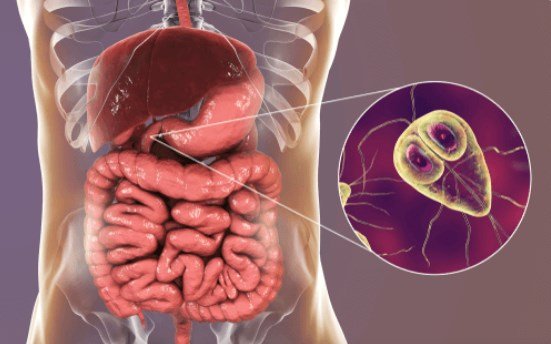
Giardiasis is an intestinal infection caused by the parasite Giardia duodenalis. It commonly spreads when a person consumes contaminated food or water or comes into contact with contaminated environments. Some people with giardiasis do not develop noticeable symptoms. Others may experience diarrhea, abdominal cramps, nausea, bloating, fatigue and weight loss. Symptoms may develop several days to weeks after exposure to…